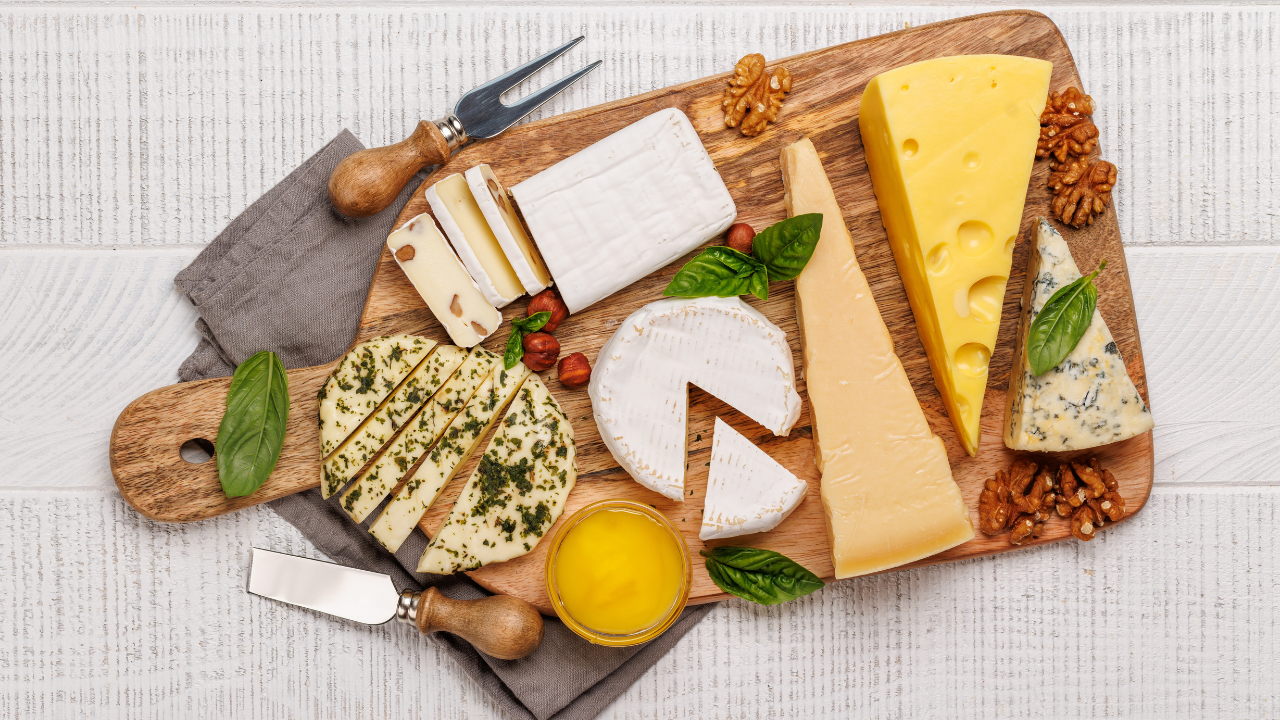
Cheese is one of the world’s most loved foods, but not all varieties are created equal. While many cheeses offer protein, calcium, and rich flavor, some are extremely high in sodium, saturated fat, or are heavily processed. Others are so pungent or unusual that they may pose health or safety concerns. Here are the cheeses that are best avoided or eaten only in strict moderation.
1. Camembert
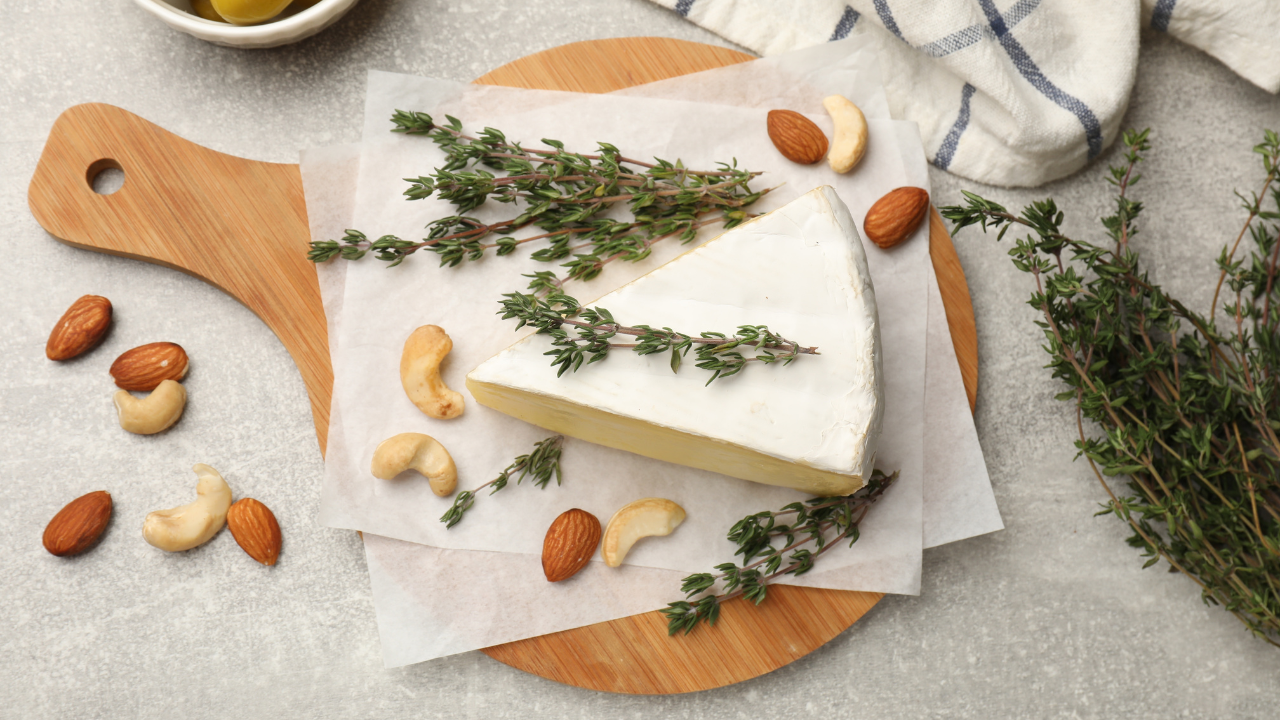
Camembert is rich and creamy, but it is extremely high in saturated fat and salt. Regular consumption can contribute to cardiovascular strain. Fried or processed versions are even less healthy. It is best treated as an occasional indulgence rather than a staple.
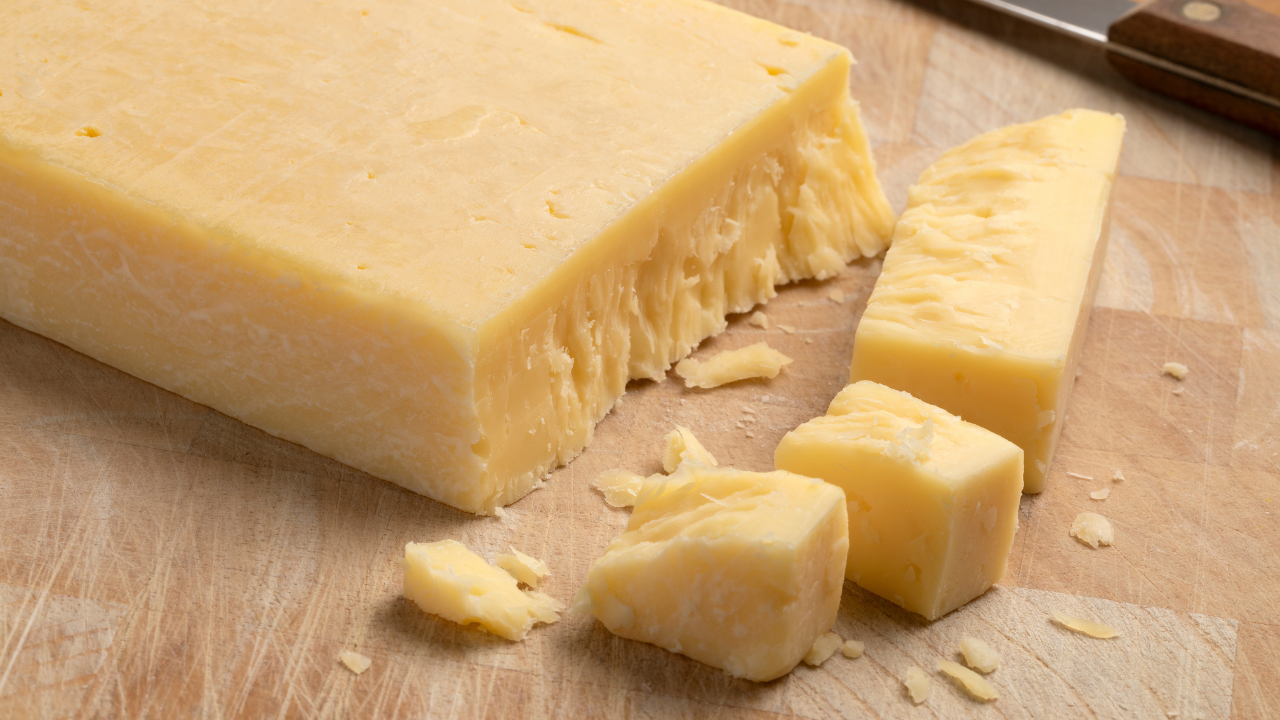
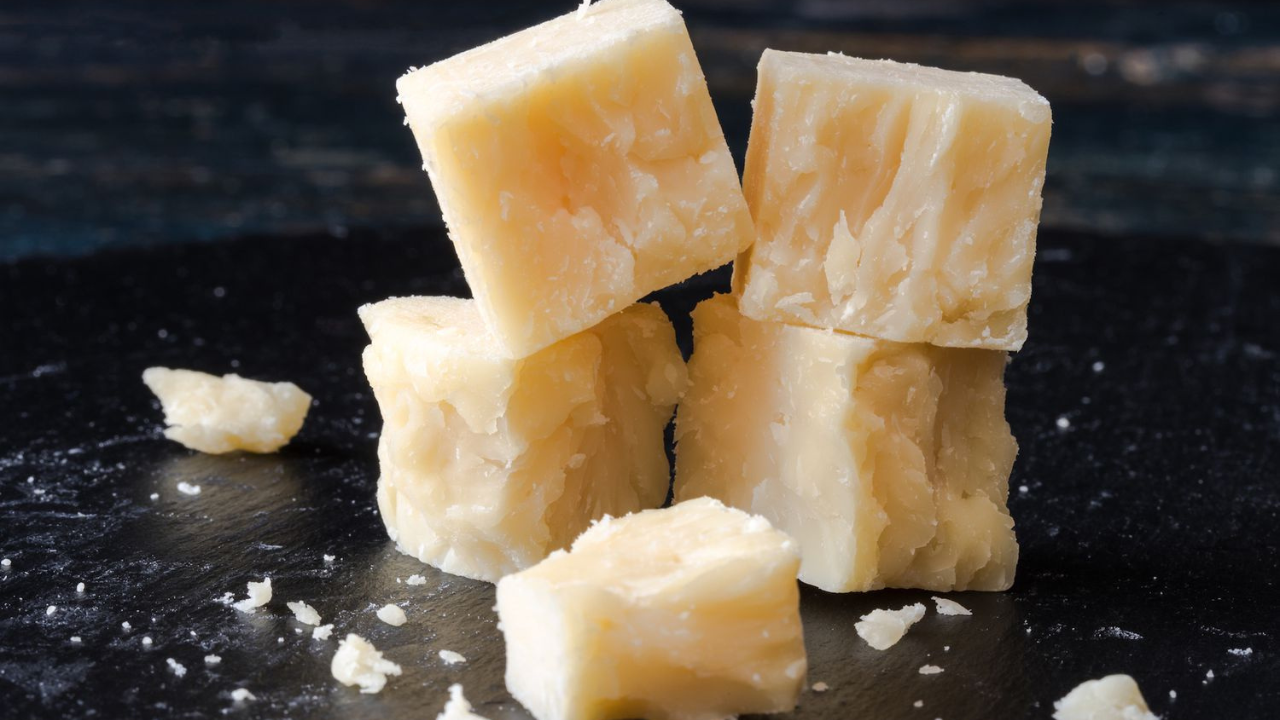
2. Cheddar
Cheddar is widely loved but contains high levels of fat and sodium. Regular intake can contribute to calorie overload if not portion-controlled. Some versions also include artificial coloring additives. It is better consumed in small amounts rather than daily use.
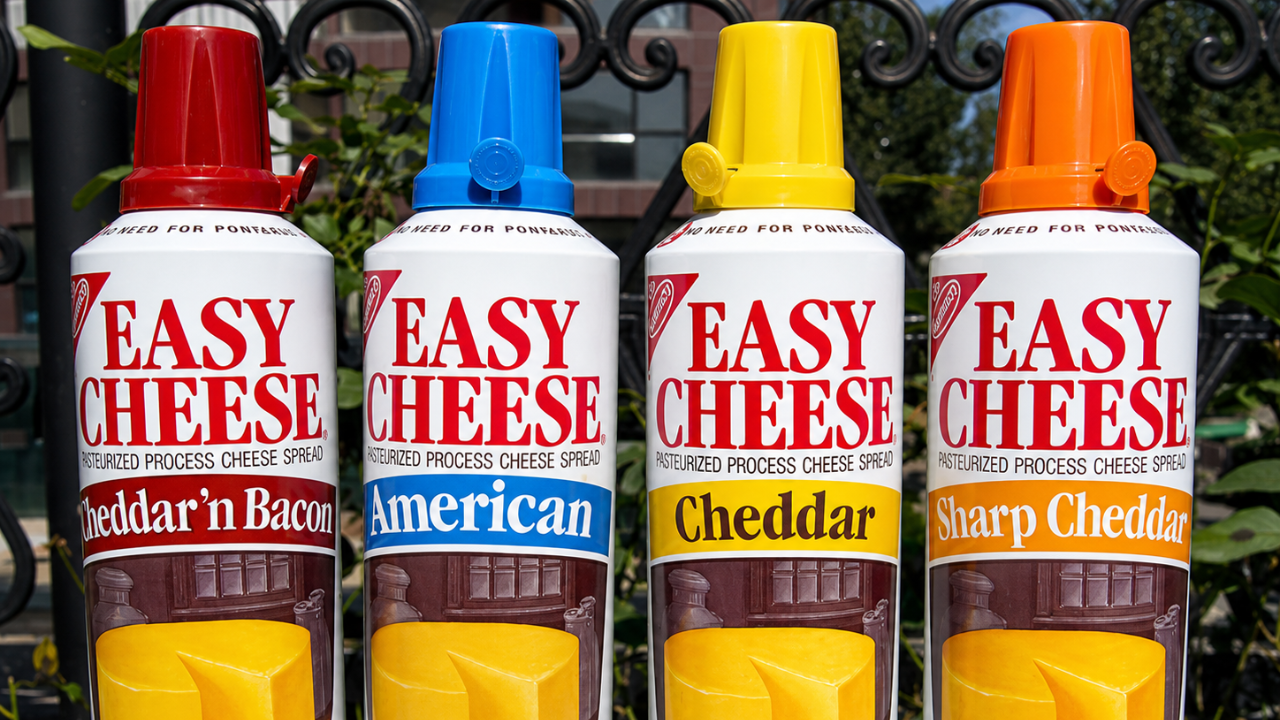
3. Spray Cheese
Spray cheese is highly processed and contains multiple additives, oils, and stabilizers. It has very little resemblance to real cheese in nutritional quality. Its high sodium content makes it unsuitable for regular consumption. It is generally considered one of the least healthy cheese products.
4. Limburger
Limburger is known for its extremely strong odor caused by fermentation bacteria. While edible, its pungency makes it unpleasant for many people. The smell alone can be off-putting in social settings. It is best avoided if you are sensitive to strong aromas.
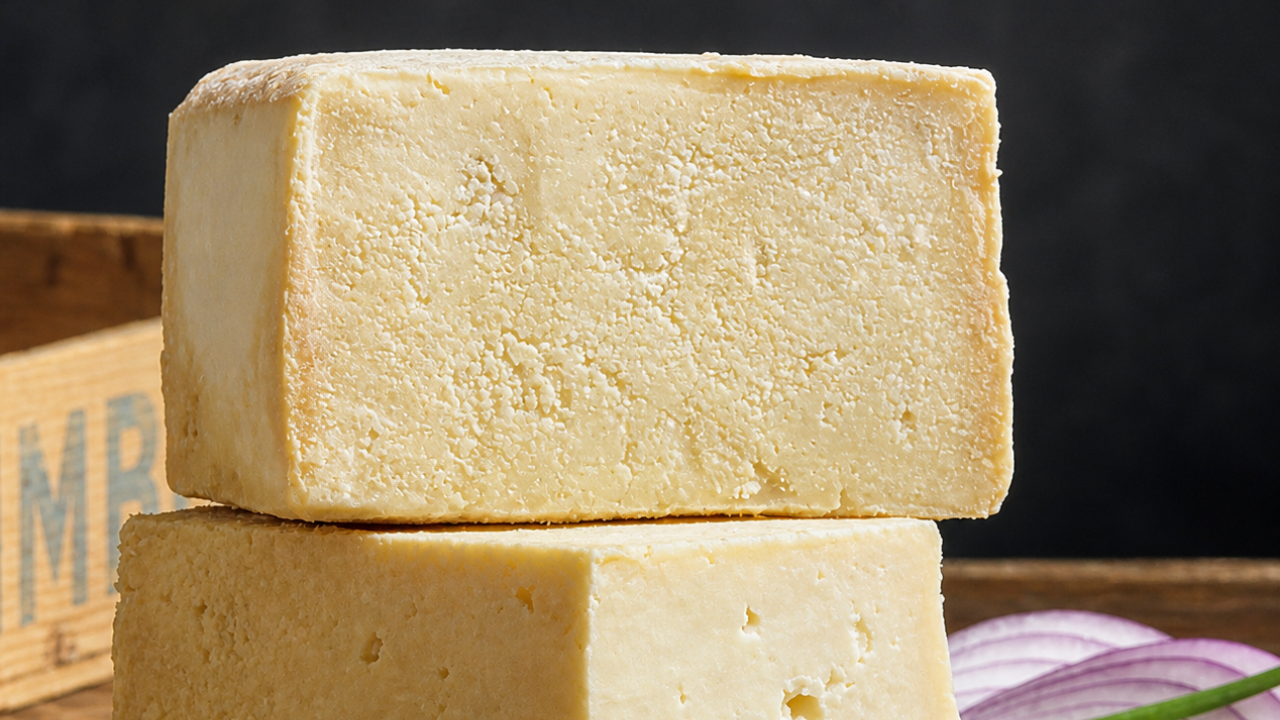
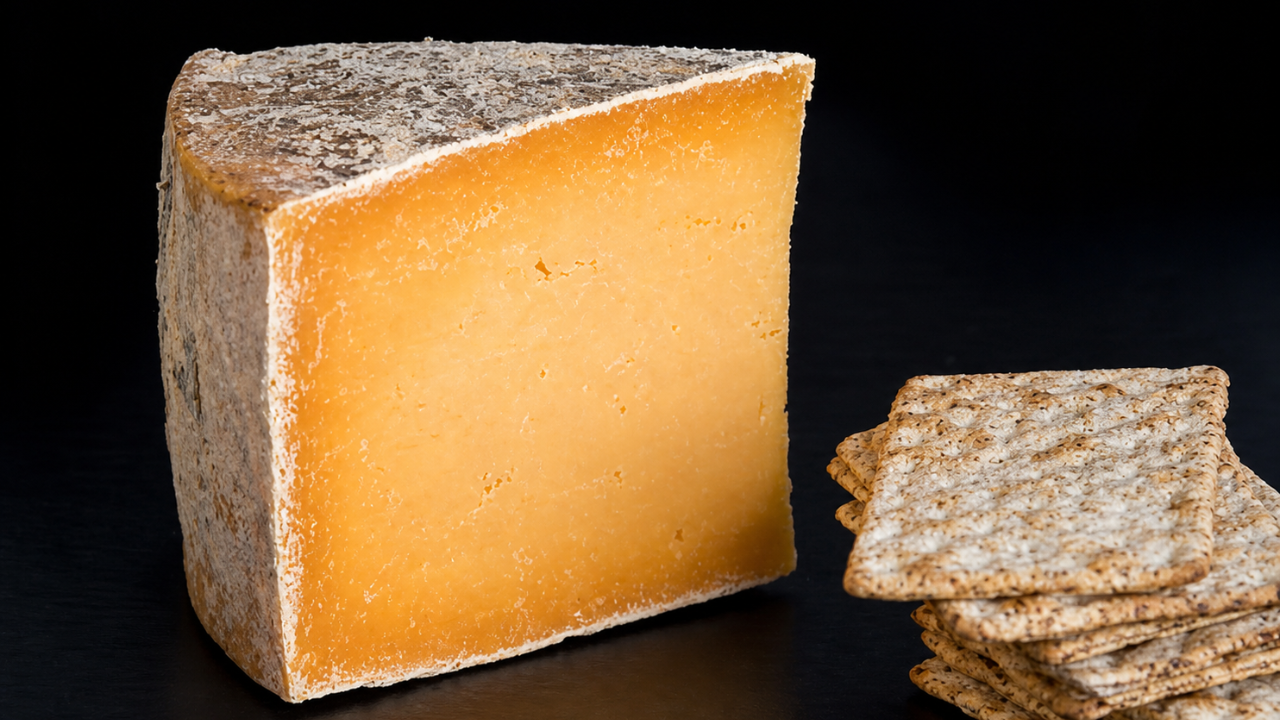
5. Double Gloucester
Double Gloucester is very high in calories, fat, and saturated fat. Even small servings contribute significantly to daily intake limits. Its richness makes it easy to overconsume. It should be treated as an occasional luxury cheese.
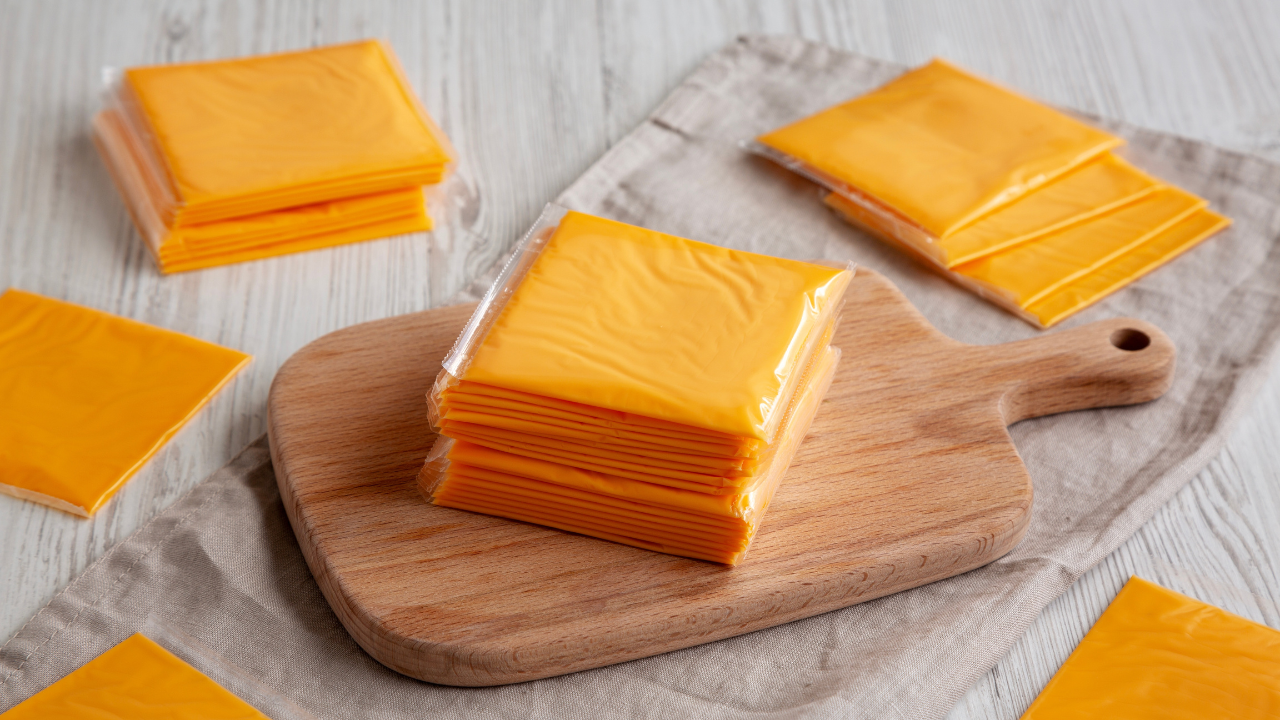
6. American Cheese
American cheese is heavily processed and often contains less actual cheese than expected. It includes emulsifiers, preservatives, and artificial coloring. Its sodium content is also relatively high. It is widely considered less healthy than natural cheese options.
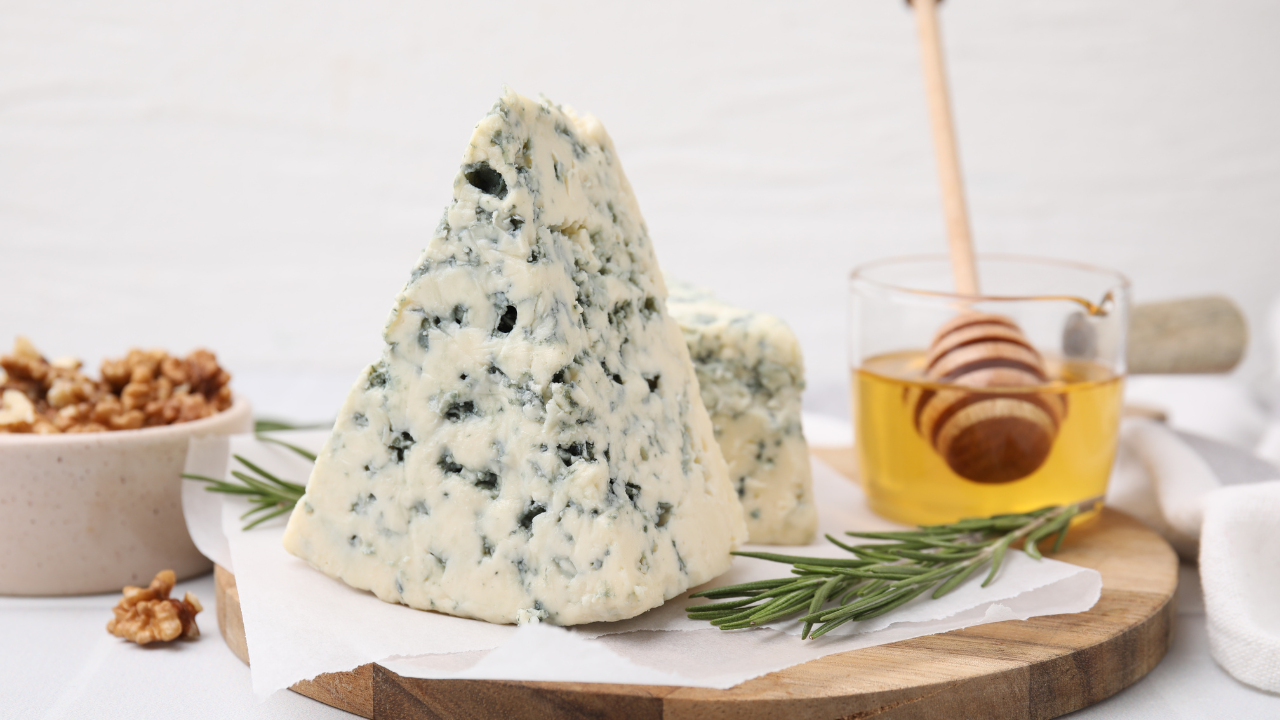
7. Blue Cheese
Blue cheese contains mold cultures that give it its distinctive flavor. While nutritious in small amounts, it can carry higher risks for sensitive groups such as pregnant individuals. Some varieties are also high in sodium and fat. Moderation is strongly recommended.
8. Low-Fat Cheese
Low-fat cheeses often replace fat with additives, starches, and preservatives. These substitutes can reduce natural flavor and nutritional quality. Some products also include stabilizers that are not ideal for regular intake. Full-fat cheese in moderation is often considered a better choice.
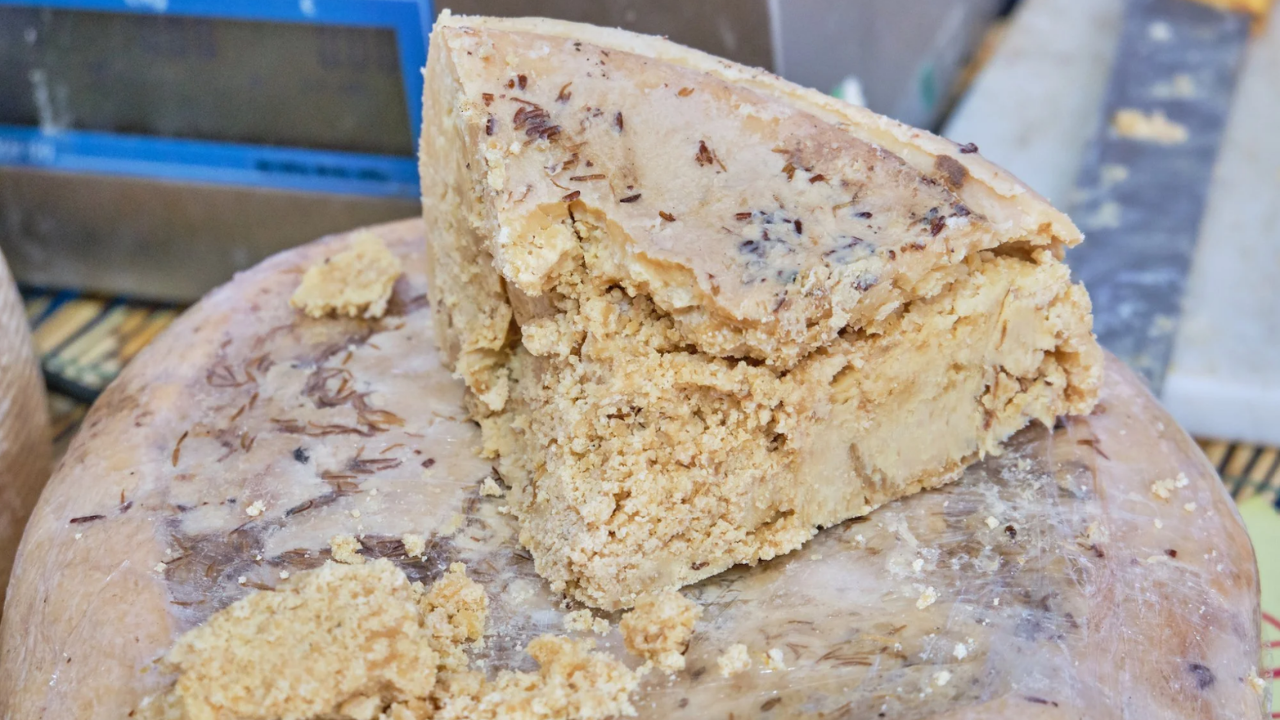
9. Casu Marzu
Casu Marzu is a traditional Sardinian cheese known for containing live insect larvae. It is banned in many countries due to safety concerns. The fermentation process makes it unsafe for general consumption. It is widely considered one of the most extreme cheeses in the world.
10. Cheese With Fruit
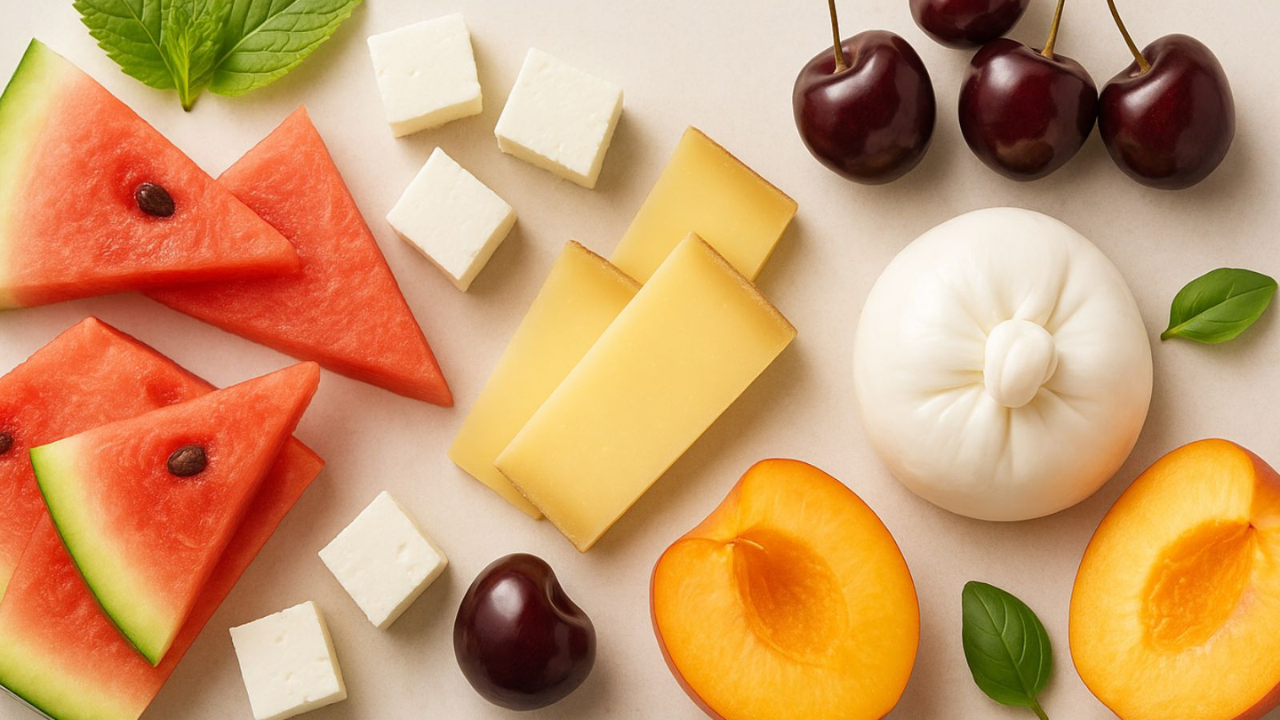
Cheeses mixed with dried fruits often contain added sugars and higher calorie levels. This combination can increase overall sugar intake significantly. While tasty, it is less suitable for healthy eating plans. Fresh fruit paired separately is a better option.
11. Sweetened Cream Cheese
Sweetened cream cheese contains added sugars or artificial sweeteners. These additives can contribute to digestive discomfort in some individuals. It is also high in fat and low in protein. Natural cream cheese is a better alternative.
12. Milbenkäse
Milbenkäse is ripened using cheese mites, which can be unsettling for many consumers. The aging process involves microorganisms that some may find unappetizing. It is rare and not widely available. It is generally avoided outside specialty regions.
13. Époisses de Bourgogne
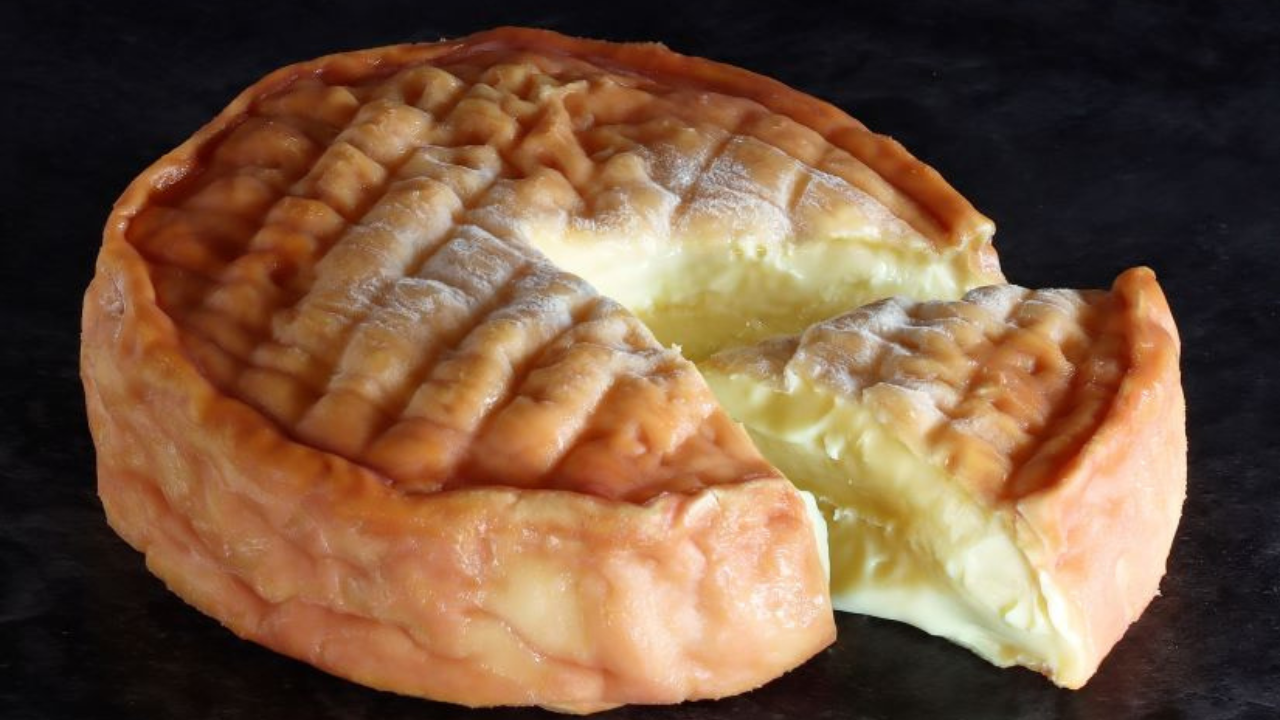
Époisses de Bourgogne is known for its extremely strong odor due to washing during aging. While flavorful, it is one of the most pungent cheeses in the world. Its smell makes it unsuitable for many environments. It is best enjoyed sparingly.
Comments (0)
No comments yet. Be the first to share your thoughts!