
Current Date: 2 May, 2026

20 grocery items that nutritionists say contain questionable ingredients

Many packaged grocery products promise convenience and strong flavor, but often rely heavily on preservatives, artificial sweeteners, and synthetic additives. While occasional consumption may not cause immediate harm, regularly choosing ultra-processed foods can reduce overall nutritional quality. Understanding which items contain excessive chemicals can help you make smarter grocery decisions. Small changes in everyday shopping habits can support better long-term health without sacrificing convenience.

1. Sugary Breakfast Cereals
1. Sugary Breakfast Cereals
© Shutterstock / Elena Veselova

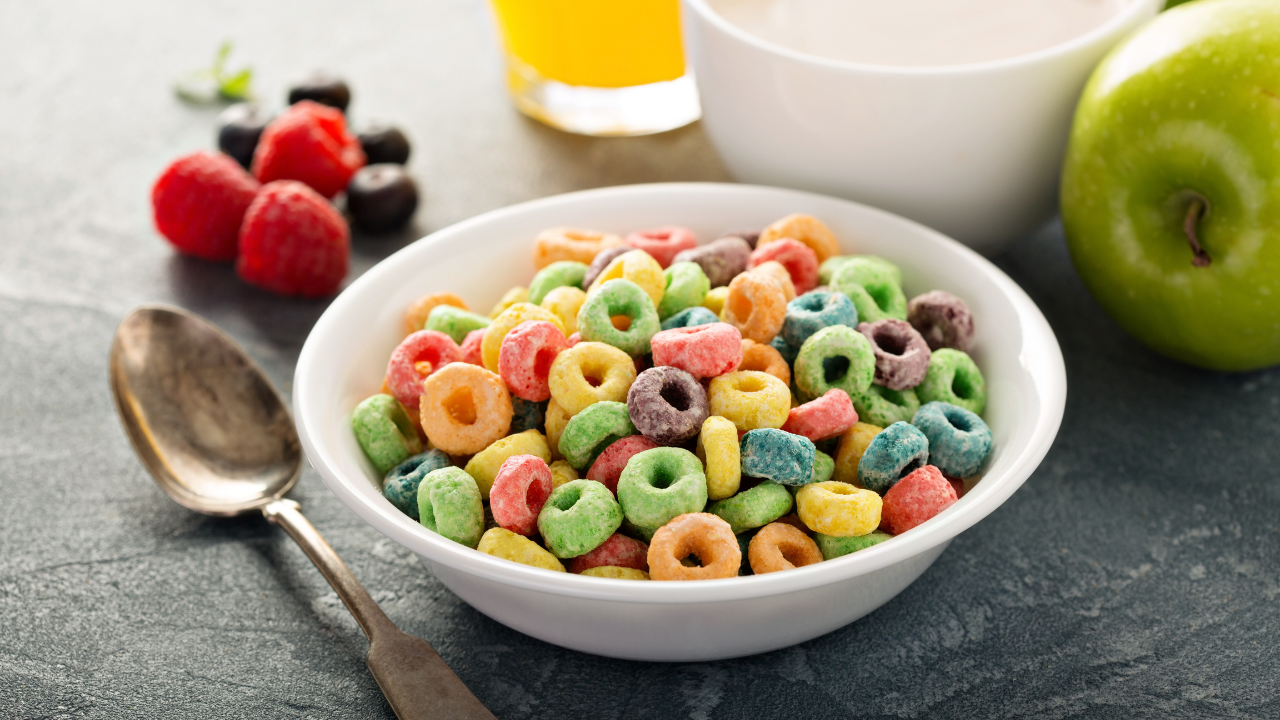
Brightly colored cereals are often heavily processed and contain large amounts of refined sugar, artificial flavors, and dyes. These ingredients provide quick energy but usually lack fiber or protein needed for sustained fullness. Many varieties exceed recommended daily sugar intake in a single serving. Choosing simpler whole-grain options can improve nutrition and maintain steady energy levels.

2. Flavored Yogurts

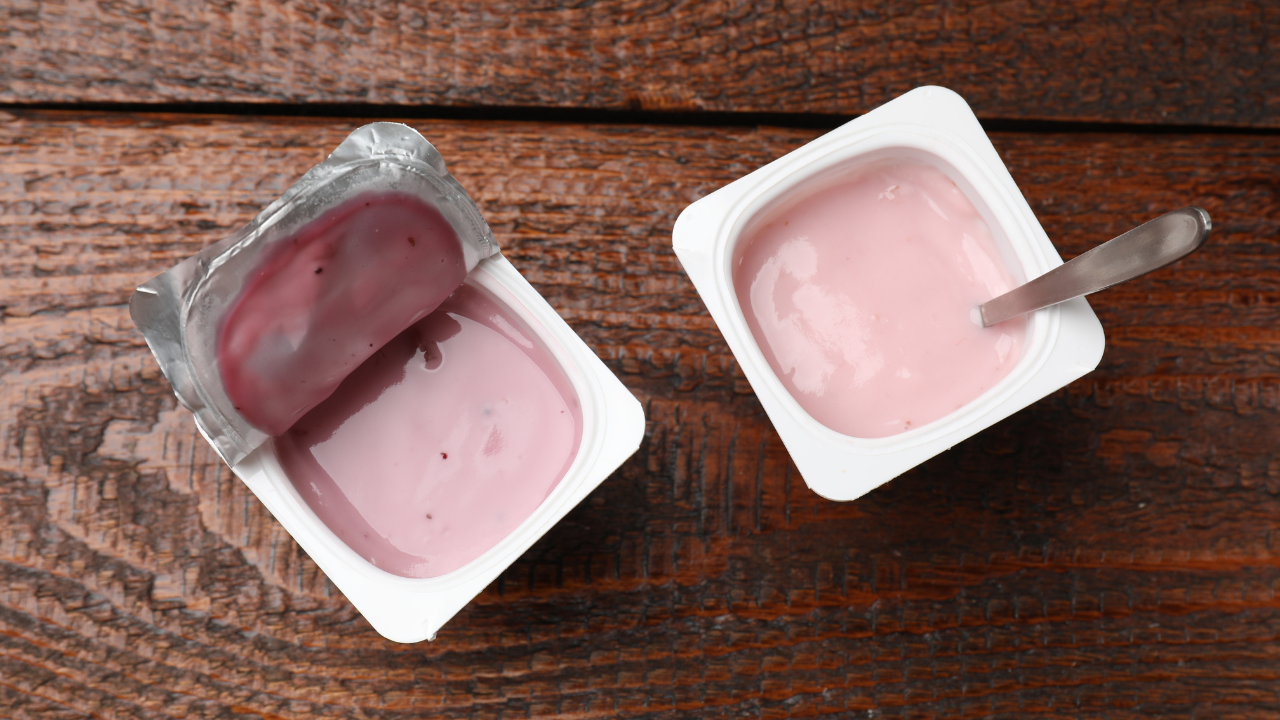
2. Flavored Yogurts
© Shutterstock / New Africa

Flavored yogurts often contain added sugars, artificial flavors, and fruit syrups that increase calorie intake without improving nutritional value. These sweeteners can overpower the natural probiotic benefits of yogurt. Many products contain more sugar than dessert items. Plain yogurt paired with natural sweeteners can provide better balance and health benefits.

3. Processed Meats

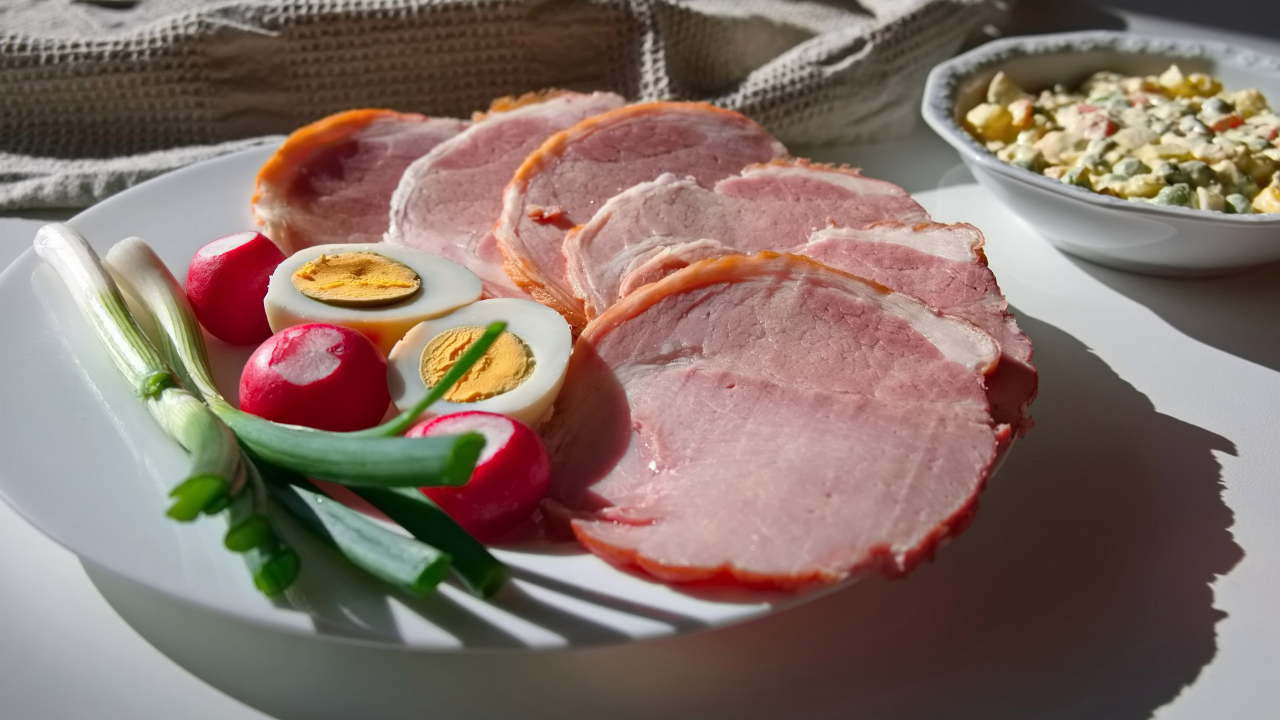
3. Processed Meats
© Shutterstock / vedrana2701

Hot dogs, bacon, and deli meats are preserved using nitrates, nitrites, and high levels of sodium to extend shelf life. These additives help maintain color and flavor but may contribute to health concerns when consumed frequently. Many options also include artificial smoke flavoring. Fresh or minimally processed protein choices can provide better nutritional value.

4. Microwave Popcorn

4. Microwave Popcorn
© Shutterstock / New Africa

Microwave popcorn bags often contain artificial butter flavoring and chemical coatings used in packaging materials. These additives help improve shelf stability but may reduce overall product quality. Many varieties also contain high sodium levels. Air-popped popcorn allows better control over flavor and ingredients.

5. Frozen Dinners

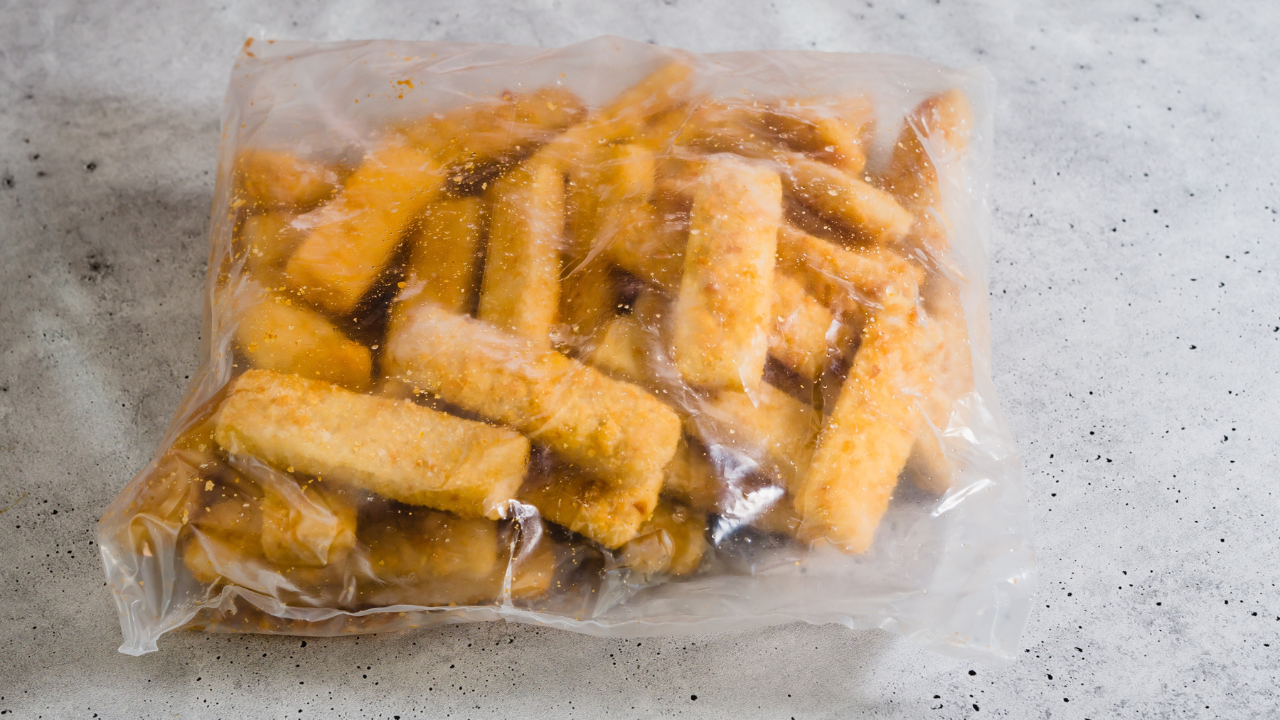
5. Frozen Dinners
© Shutterstock / HannaTor

Frozen meals are designed for convenience but frequently rely on preservatives and flavor enhancers to maintain taste. Many options contain excessive sodium and limited fresh ingredients. The processing can reduce fiber and protein balance. Preparing homemade freezer meals provides more control over quality and nutrition.

6. Diet Sodas

6. Diet Sodas
© Shutterstock / AnnGaysorn

Diet sodas replace sugar with artificial sweeteners that may affect appetite and long-term dietary habits. These drinks provide little nutritional benefit beyond low calories. Artificial coloring and preservatives are also commonly included. Natural beverages can provide hydration without unnecessary additives.

7. Instant Noodles

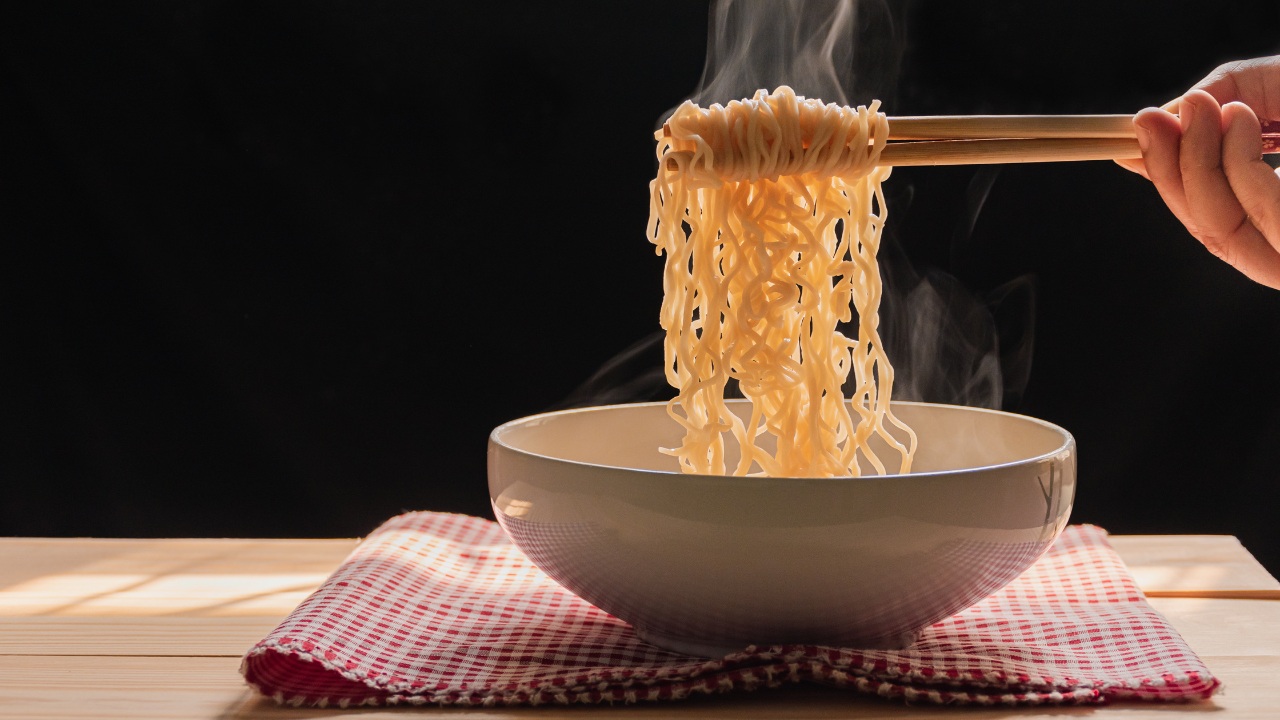
7. Instant Noodles
© Shutterstock / SNeG17

Instant noodles often include seasoning packets high in sodium, preservatives, and MSG. These additives improve flavor but reduce overall nutritional value. The noodles are usually pre-fried, increasing fat content. Preparing simple noodle dishes at home allows better ingredient control.

8. Energy Bars

8. Energy Bars
© Shutterstock / Gumgumlab s. r. o

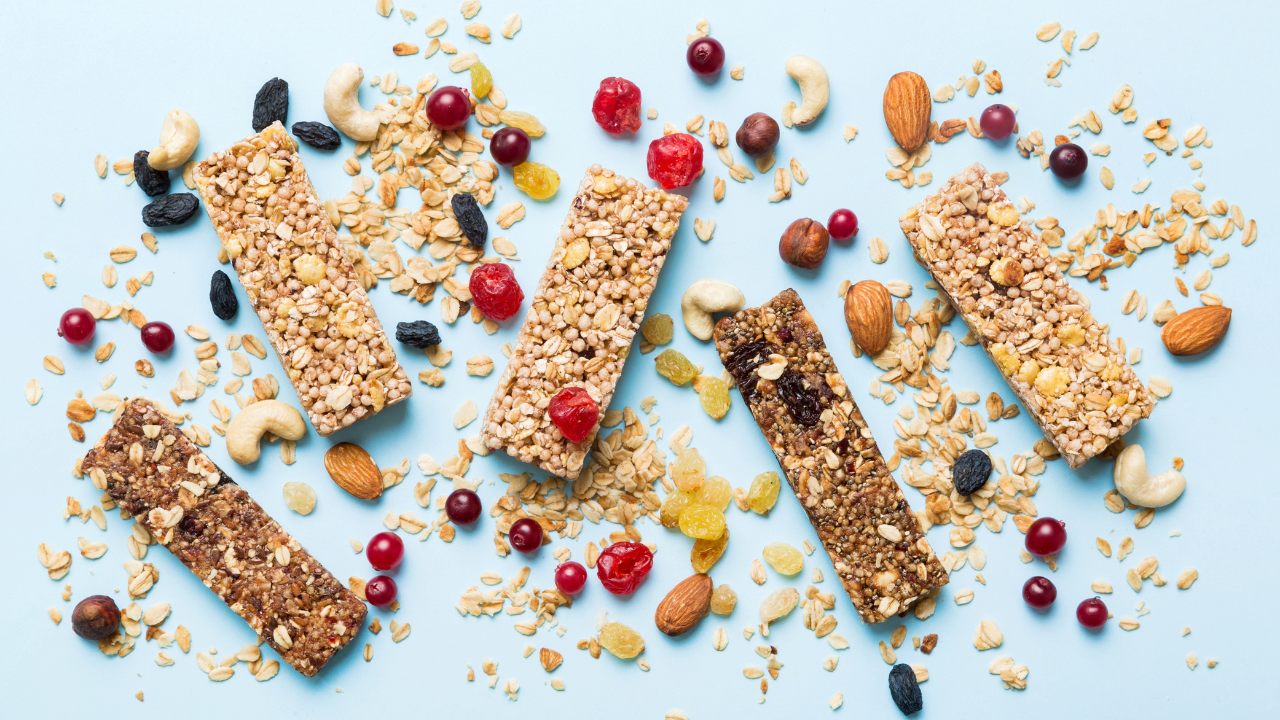
Many energy bars contain refined sugars, artificial protein isolates, and preservatives that extend shelf life. Some products resemble candy bars more than balanced snacks. Ingredient quality can vary widely between brands. Homemade snack bars often provide more fiber and natural energy.

9. Canned Soups

9. Canned Soups
© Martha Stewart

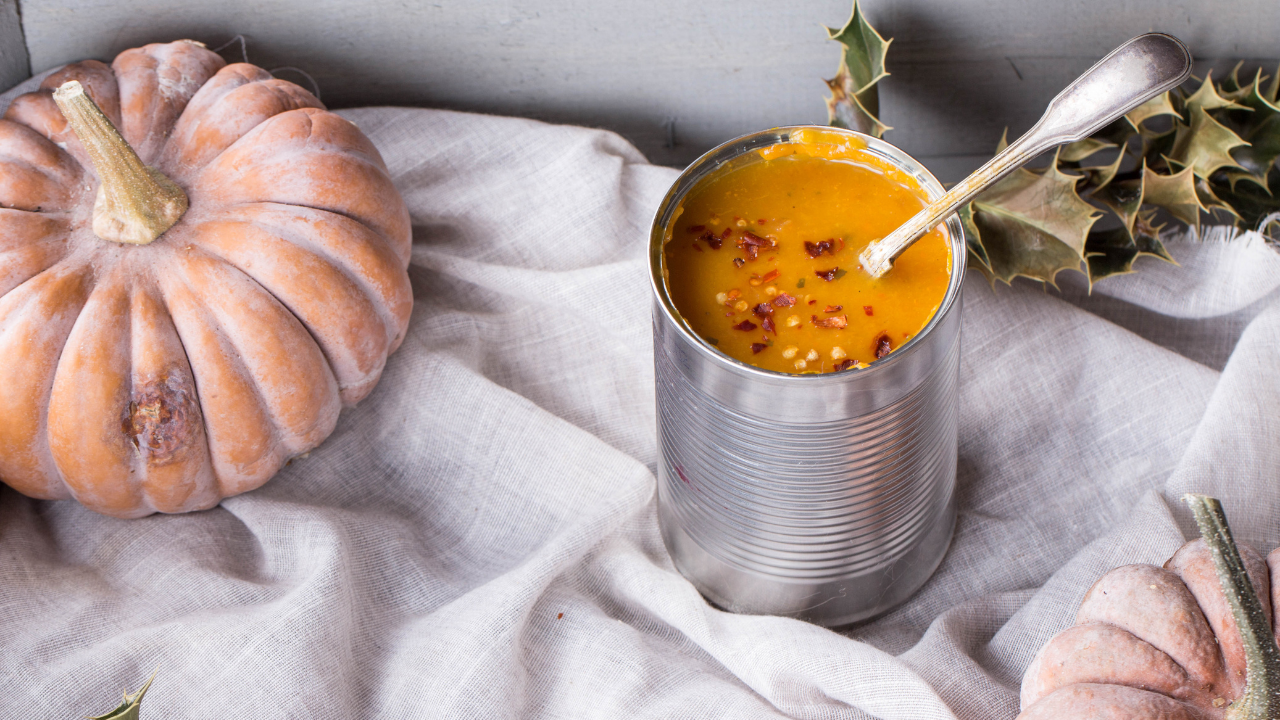
Canned soups often contain high sodium levels and stabilizers used to preserve texture. While convenient, many varieties rely heavily on processed ingredients. Fresh soups allow better control of salt and flavor. Batch cooking can provide the same convenience with improved nutrition.

10. Shelf-Stable Coffee Creamers

10. Shelf-Stable Coffee Creamers
© Shutterstock / New Africa

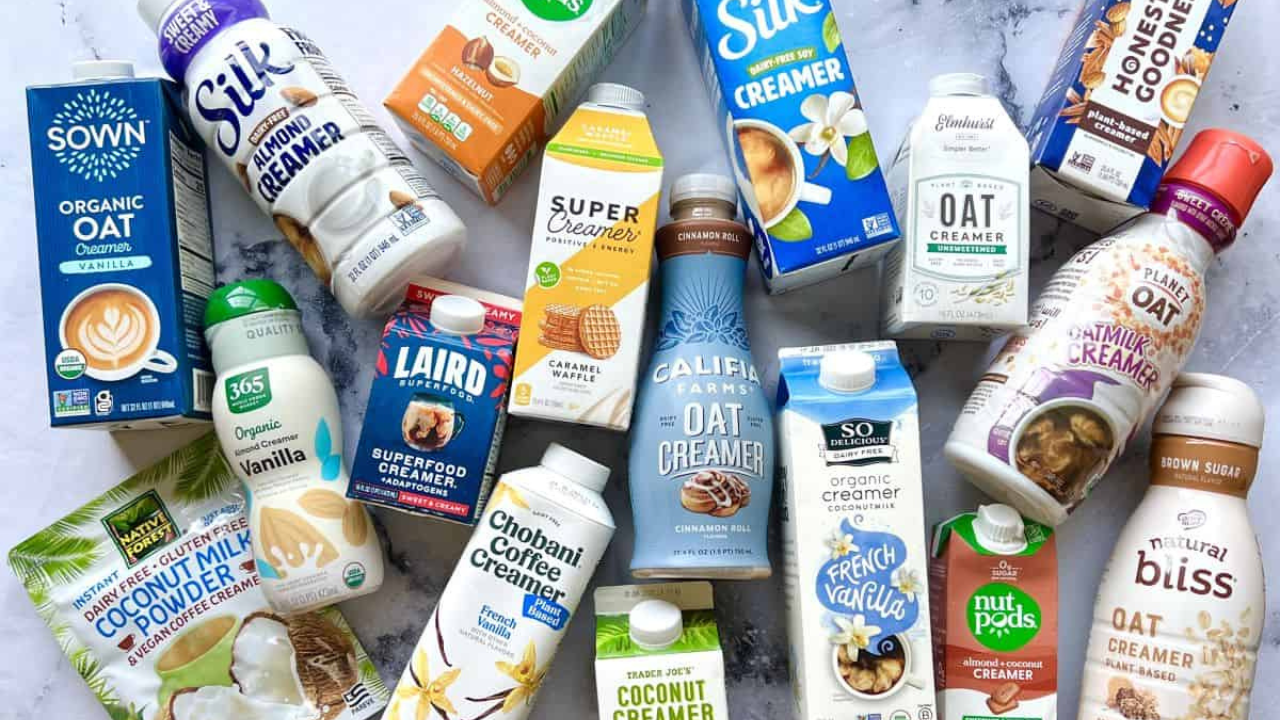
Many powdered and liquid creamers use hydrogenated oils and artificial flavors to mimic dairy texture. These ingredients may include trans fats and stabilizers. Natural milk or plant-based options often contain fewer additives. Choosing simpler ingredients improves overall dietary quality.

11. Pre-Packaged Smoothies

11. Pre-Packaged Smoothies
© Martha Stewart

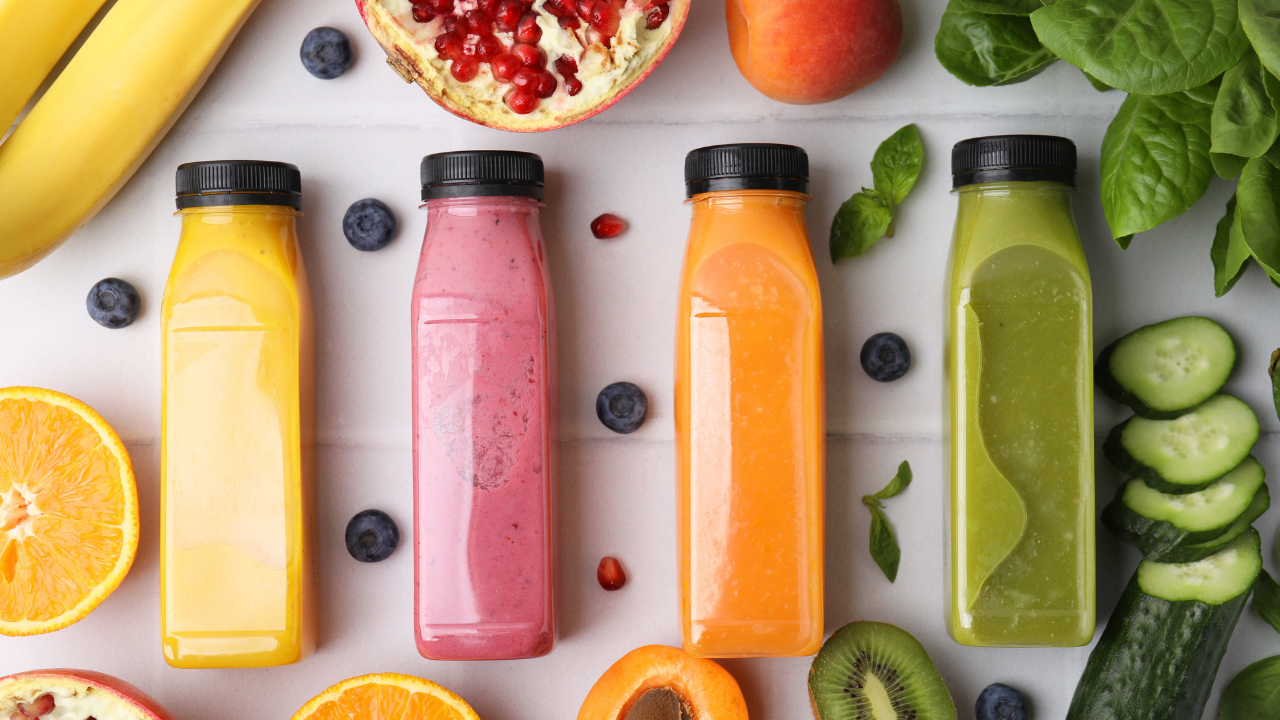
Bottled smoothies often contain added sugars and preservatives that extend shelf life. Fruit content may be lower than expected compared to sweeteners. Fresh smoothies typically provide more fiber and nutrients. Blending at home ensures better ingredient control.

12. Bottled Salad Dressings

12. Bottled Salad Dressings
© Martha Stewart

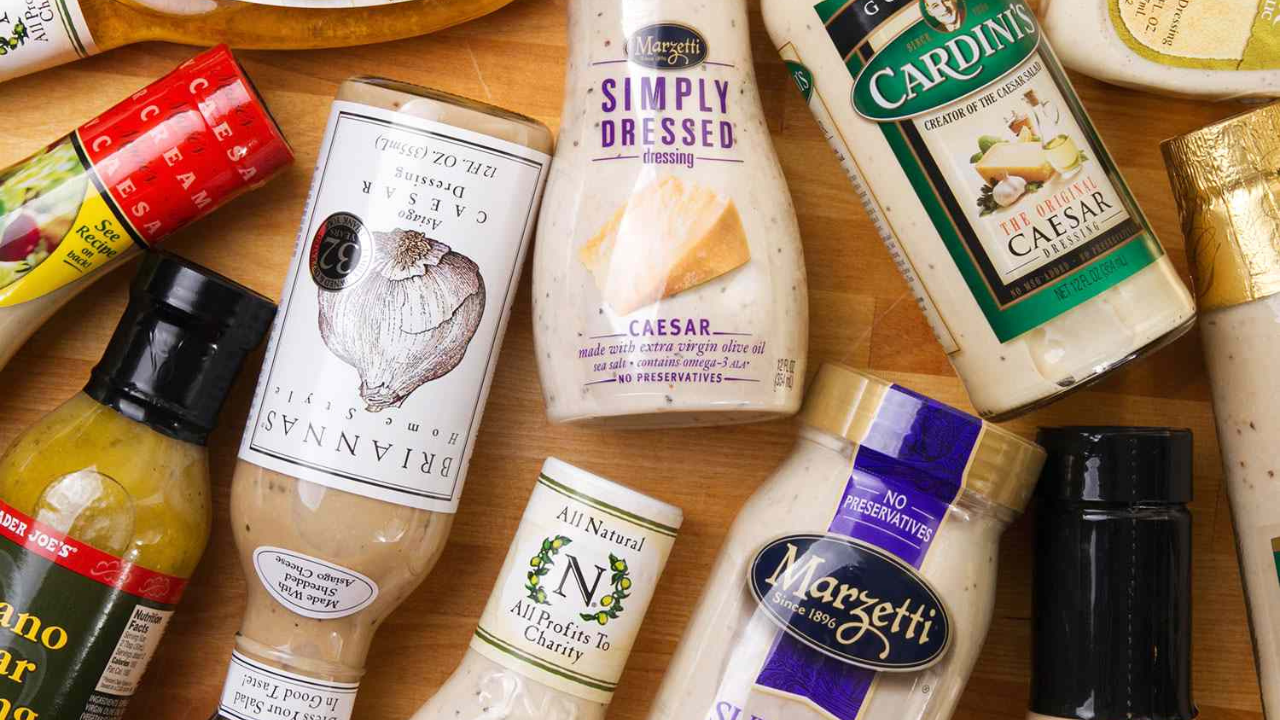
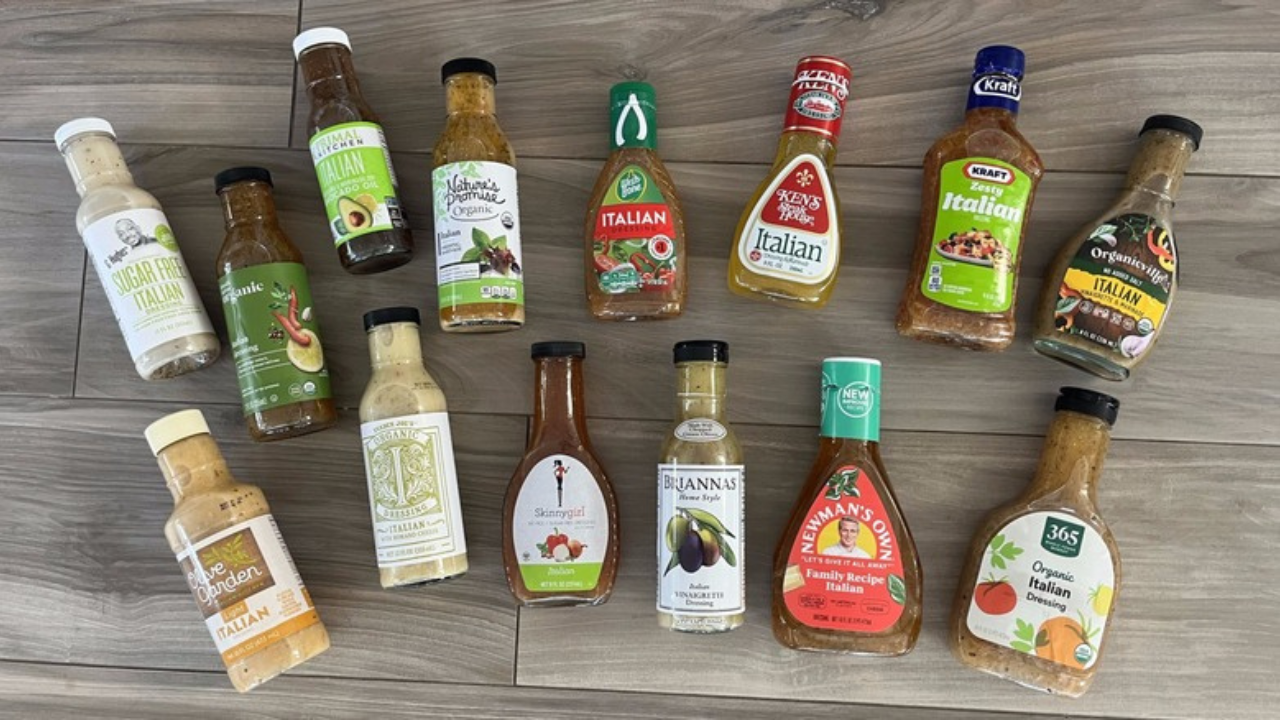
Store-bought dressings frequently include preservatives, emulsifiers, and refined oils. Many also contain added sugars that increase calorie content. Homemade dressings provide better control of flavor and nutrition. Simple combinations can improve meal quality.

13. Fruit Snacks

13. Fruit Snacks
© Martha Stewart

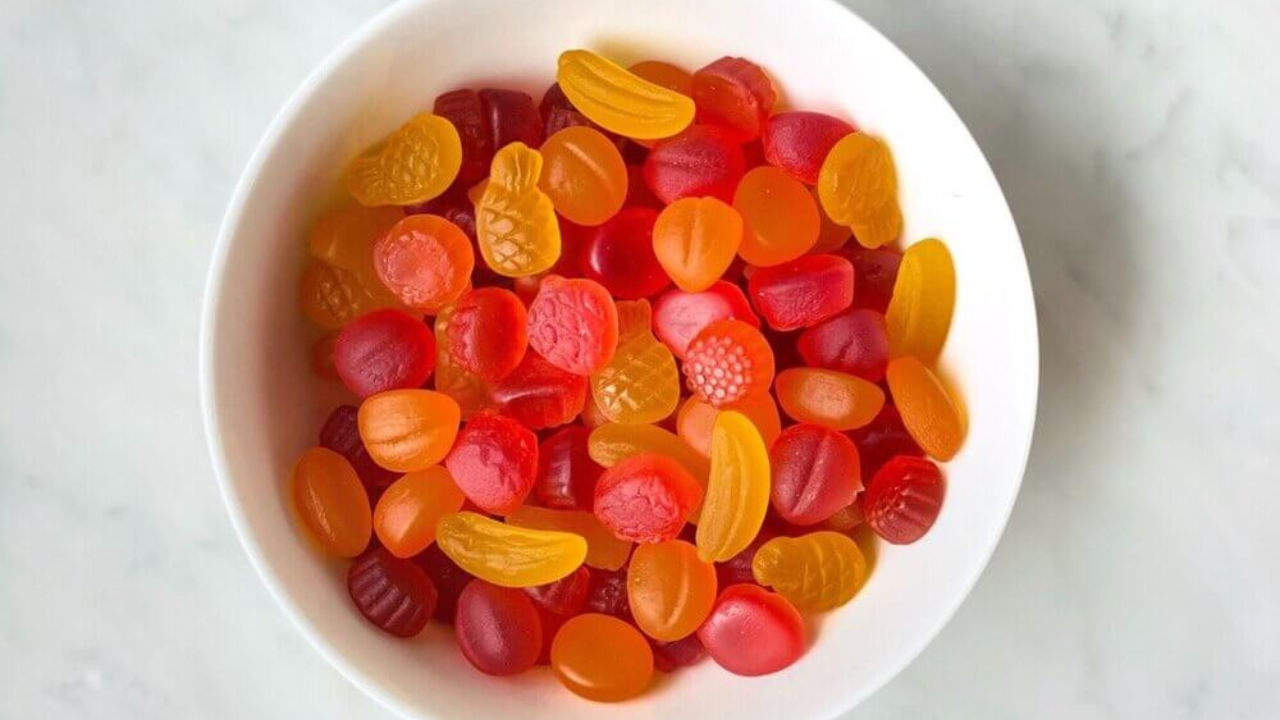
Fruit snacks are typically made with sugar, gelatin, and artificial coloring rather than real fruit ingredients. They often lack fiber and essential vitamins. The sweet taste can encourage overconsumption. Fresh fruit provides natural sweetness with better nutritional value.

14. Artificially Flavored Crackers

14. Artificially Flavored Crackers
© Martha Stewart

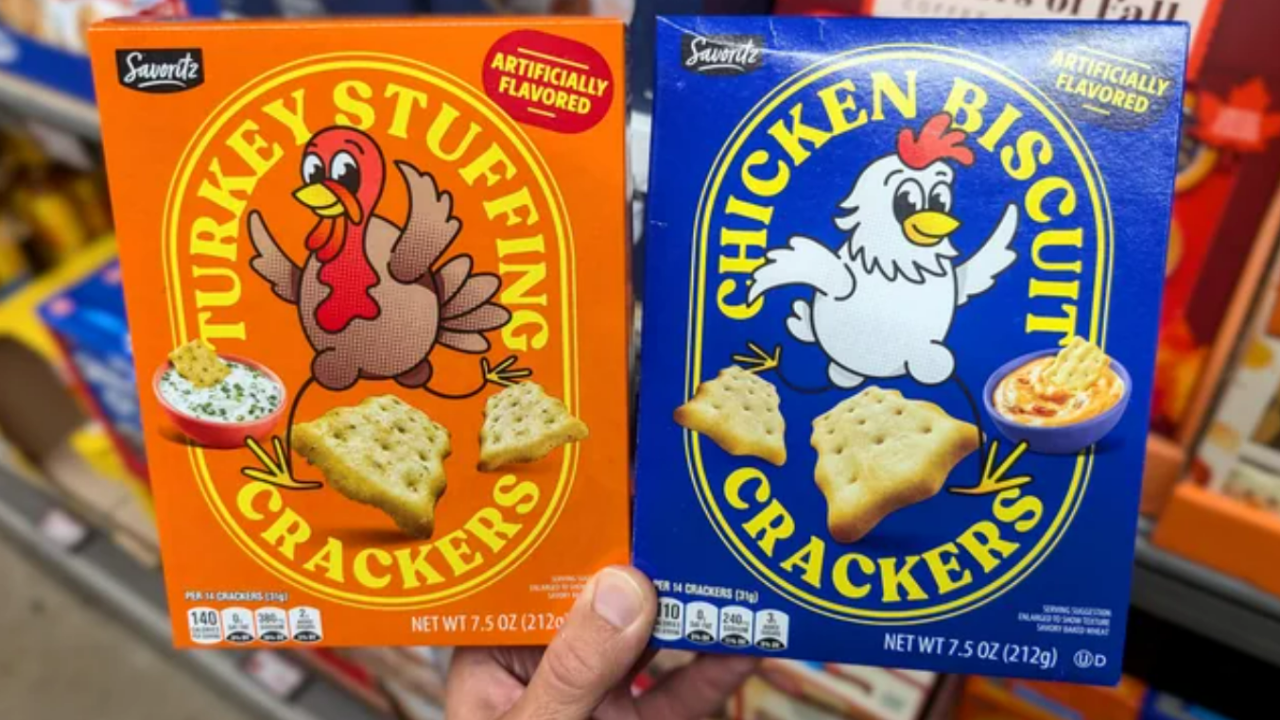
Flavored crackers often rely on refined flour and synthetic seasoning blends. These additives enhance taste but reduce fiber content. Many varieties contain high sodium levels. Whole-grain options can provide better texture and nutrition.

15. Powdered Drink Mixes

15. Powdered Drink Mixes
© Martha Stewart

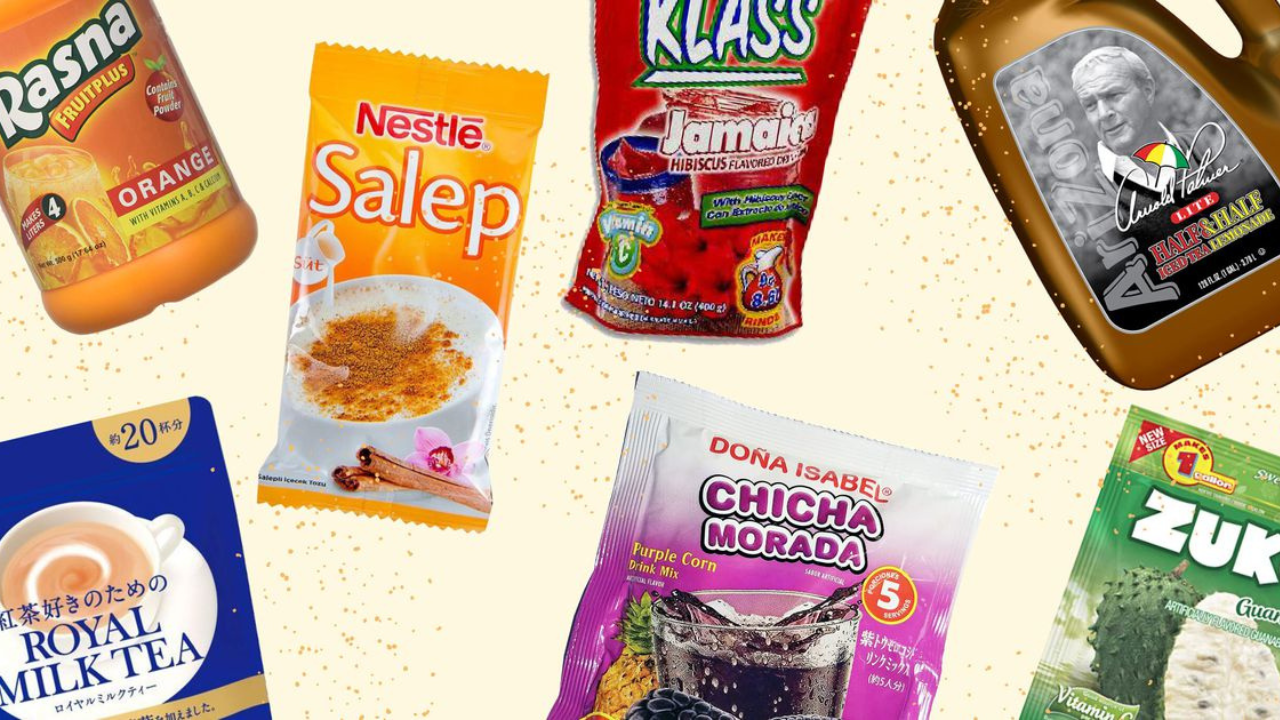
Powdered drink mixes often include artificial sweeteners, dyes, and preservatives. These ingredients rarely provide real fruit benefits. Regular consumption may increase sugar intake unnecessarily. Natural beverages offer better hydration and flavor.

16. Boxed Pancake Mixes

16. Boxed Pancake Mixes
© Martha Stewart

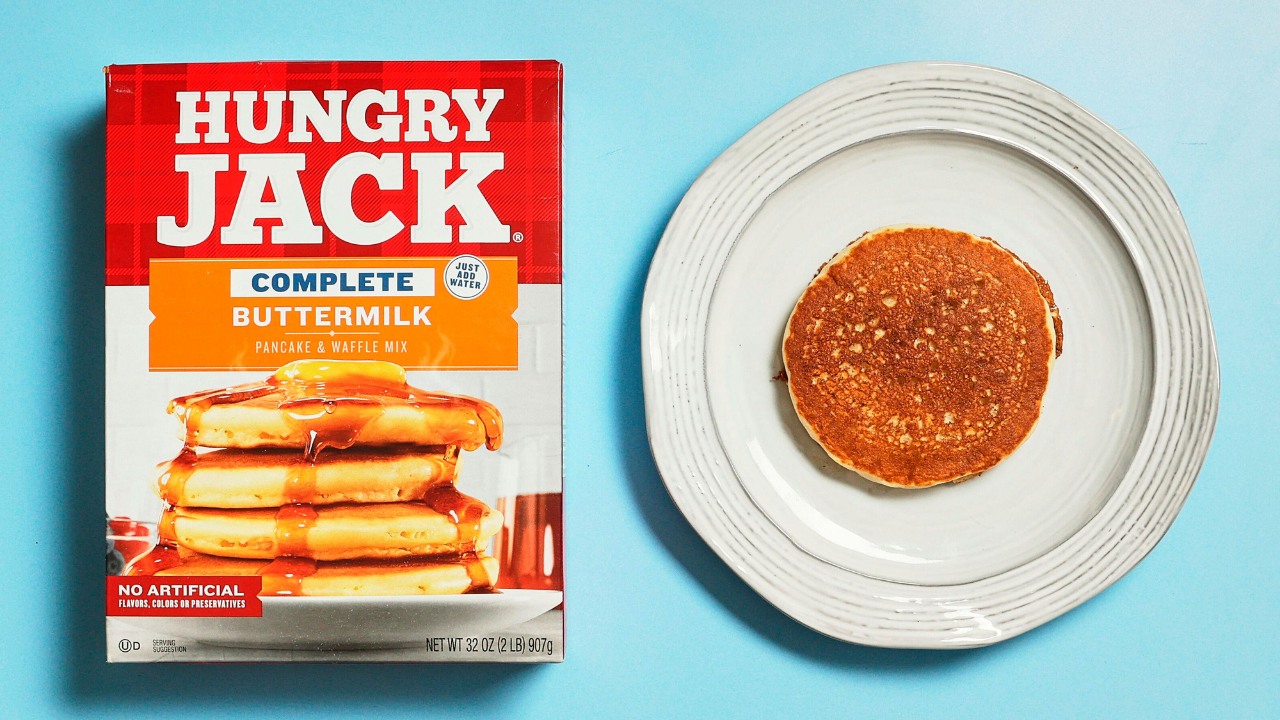
Many boxed mixes use refined flour and artificial stabilizers for consistency. While convenient, they may lack fiber and whole ingredients. Homemade batter allows better ingredient quality. Simple substitutions can improve nutritional value.

17. Imitation Crab Meat

17. Imitation Crab Meat
© Shutterstock / New Africa

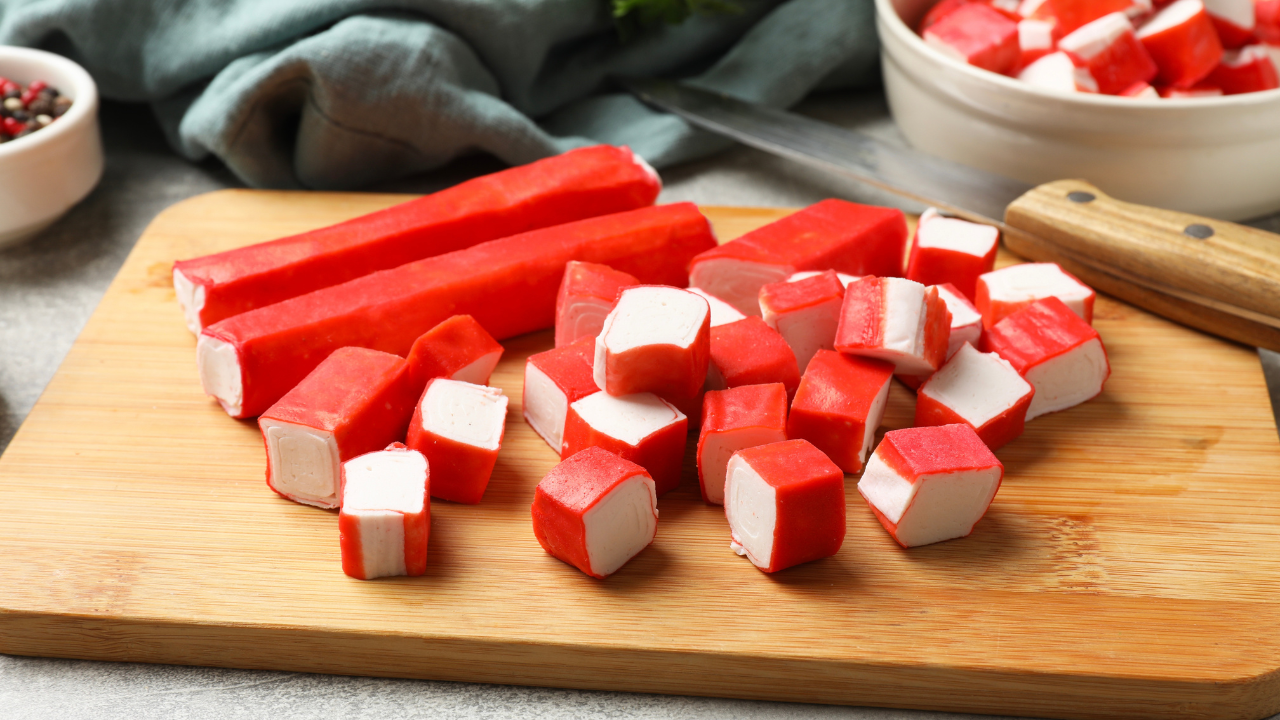
Imitation crab is made from processed fish paste combined with artificial flavoring and coloring. It often contains starch and preservatives for texture. Real seafood typically provides more natural protein. Choosing less processed options can improve diet quality.

18. Vegetable Chips

18. Vegetable Chips
© Shutterstock / Civil

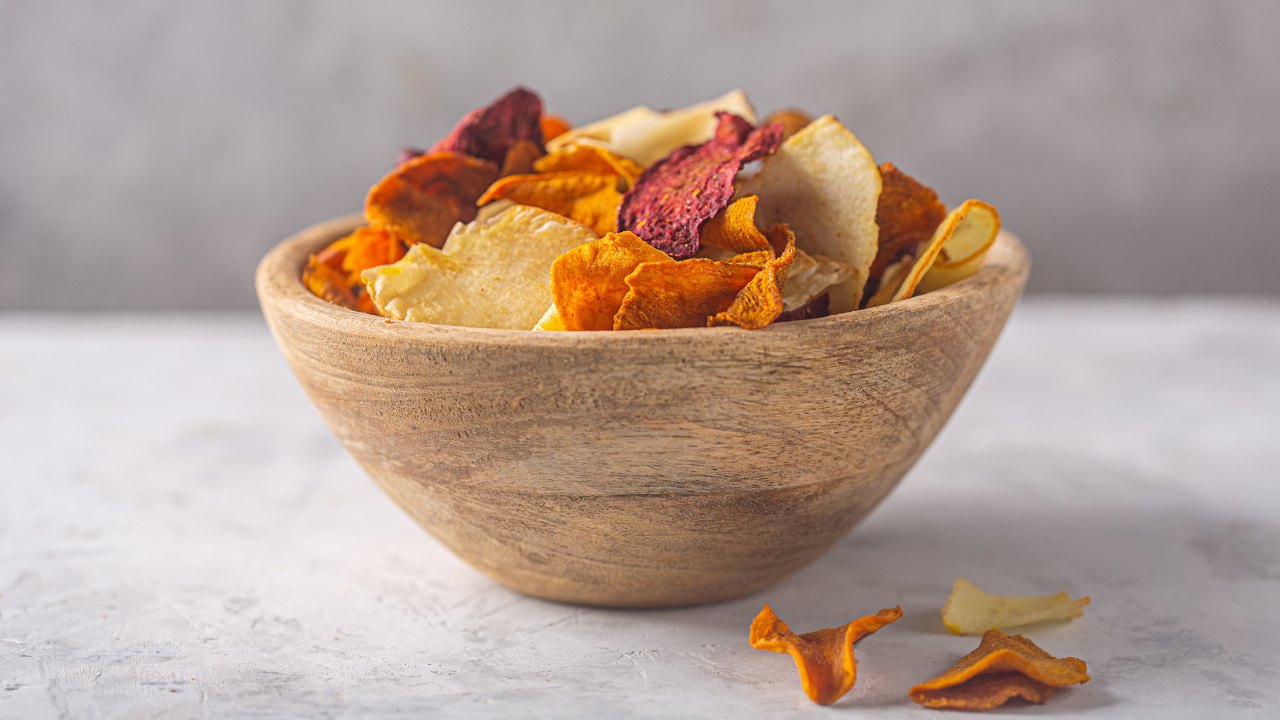
Vegetable chips may appear healthy but are often fried in processed oils and heavily salted. Nutrient levels are usually lower than fresh vegetables. Artificial seasonings can also be included. Baked options provide better texture and nutrition balance.

19. Instant Rice Mixes

19. Instant Rice Mixes
© Shutterstock / ManaswiPatil

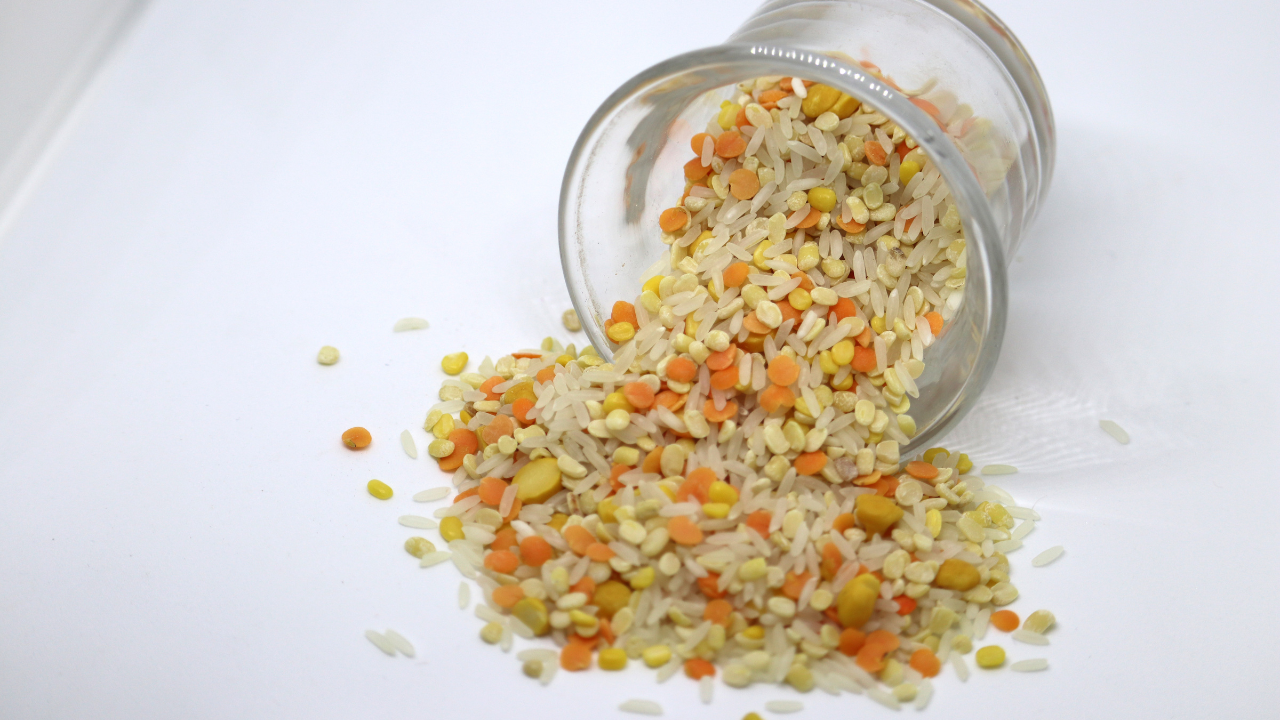
Seasoned rice mixes often contain preservatives, artificial flavors, and high sodium levels. These additives help extend shelf life but reduce nutritional balance. Plain rice allows better control over ingredients. Adding herbs creates natural flavor.

20. Candy-Coated Nuts

20. Candy-Coated Nuts
© Shutterstock / Jiri Hera

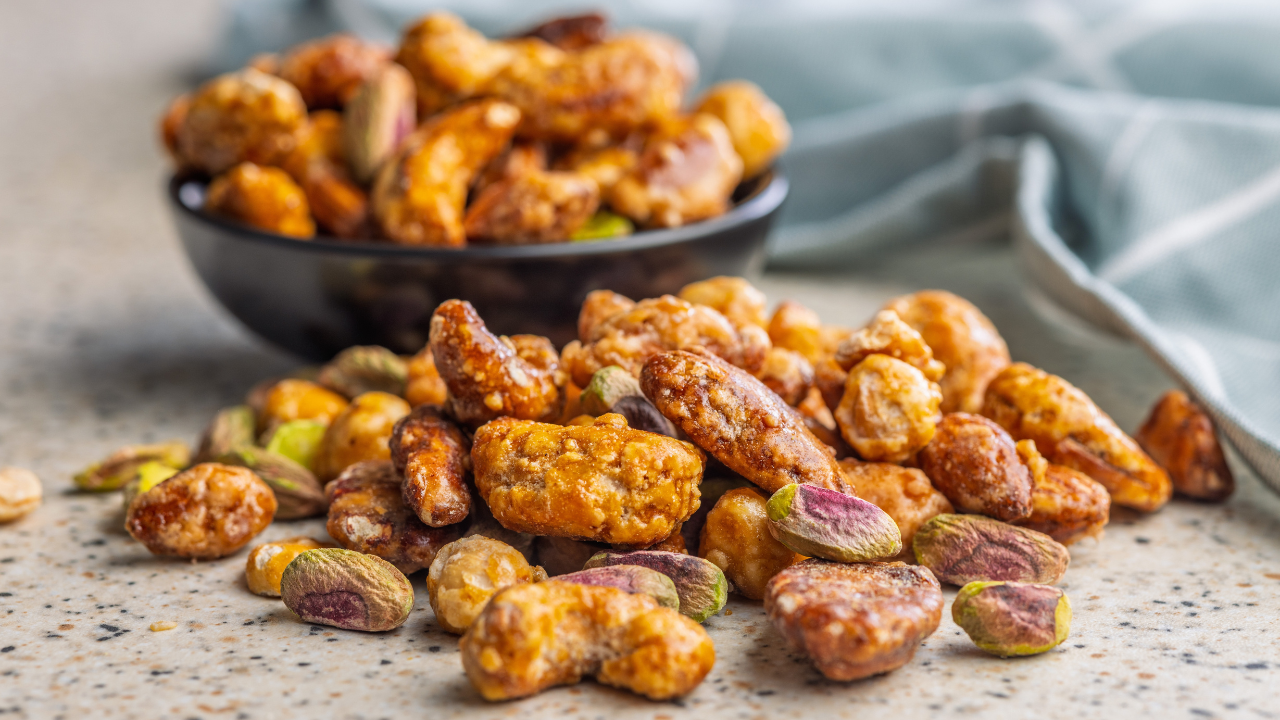
Candy-coated nuts include added sugar and artificial coloring that reduce the natural benefits of nuts. While nuts contain healthy fats and protein, sugary coatings increase calorie content. Plain or lightly roasted nuts provide better nutrition. Simple seasoning can enhance flavor naturally.

Comments (0)

No comments yet. Be the first to share your thoughts!

Leave a Reply