Current Date: 10 June, 2026

10 cookie baking tips for more consistent results

Baking cookies can be a joyful and rewarding experience, but even the best recipes can falter if small details are overlooked. From properly handling butter to choosing the right cookie sheets, minor adjustments can make a big difference in texture, shape, and flavor. Following these essential tips will help you consistently bake cookies that are golden, tender, and delicious every time.

1. Read the recipe thoroughly
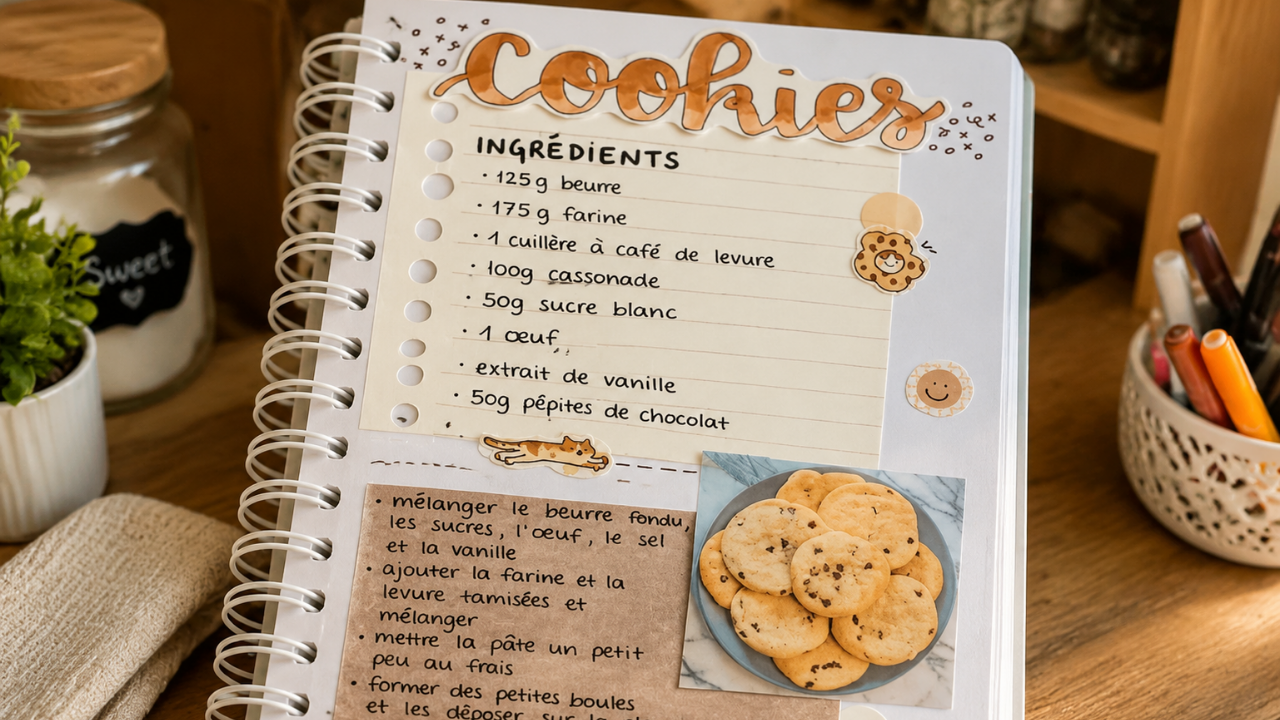
1.  Read the recipe thoroughly
© Pinterest / Aesthetics

Before starting, read the recipe from beginning to end. Note any prep steps, chilling times, or special handling of ingredients. Preparing all your tools and ingredients in advance prevents mistakes, reduces stress, and ensures a smoother baking process. This step sets the foundation for evenly baked, perfectly structured cookies.

2. Use properly softened butter

2. Use properly softened butter
© Shutterstock / Arina P Habich

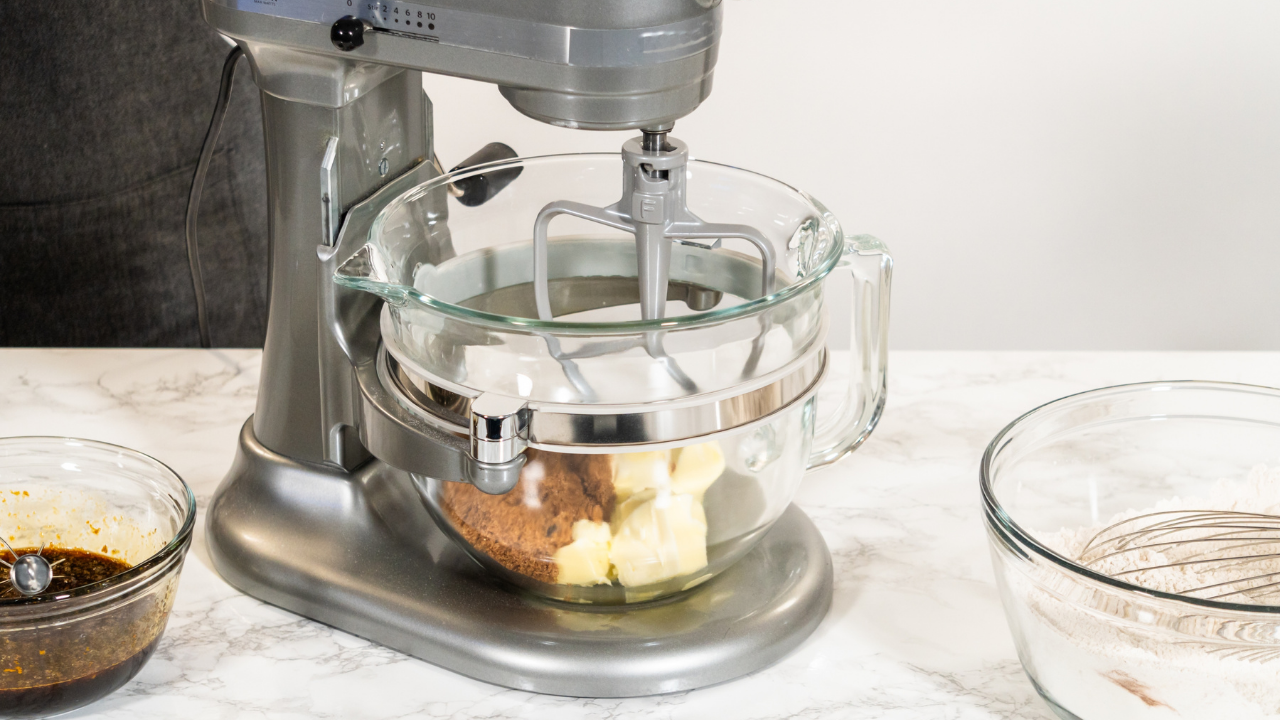
Butter temperature greatly affects dough consistency. Softened butter should yield slightly when pressed but remain solid. Cold butter won’t incorporate smoothly, while melted butter can make cookies spread excessively. Allowing butter to rest at room temperature ensures consistent texture and helps cookies hold their shape while baking.

3. Bring eggs to room temperature

3. Bring eggs to room temperature
© Shutterstock / New Africa

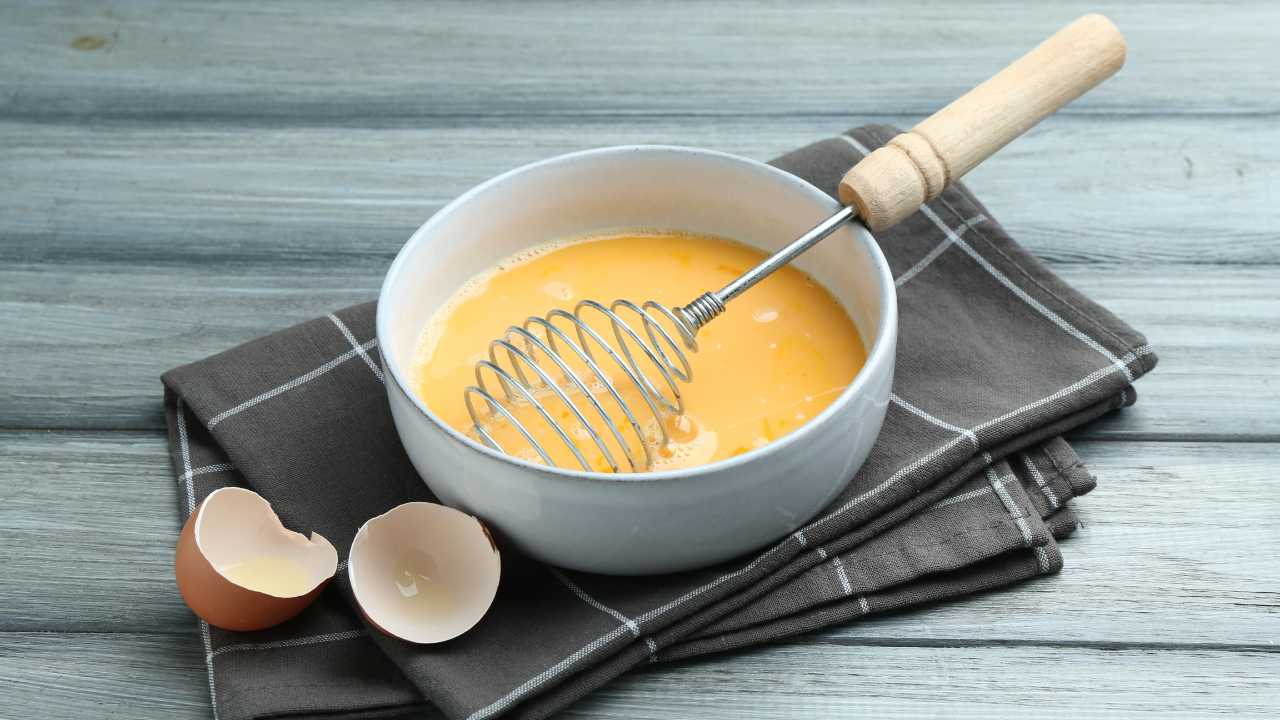
Eggs that are too cold can create uneven dough and inconsistent cookie texture. Room-temperature eggs blend easily with creamed butter and sugar, producing a smooth and uniform dough. If short on time, immerse eggs in warm (not hot) water for five minutes to bring them up to temperature, ensuring balanced and tender cookies.

4. Coat add-ins in flour

4. Coat add-ins in flour
© Shutterstock / New Africa

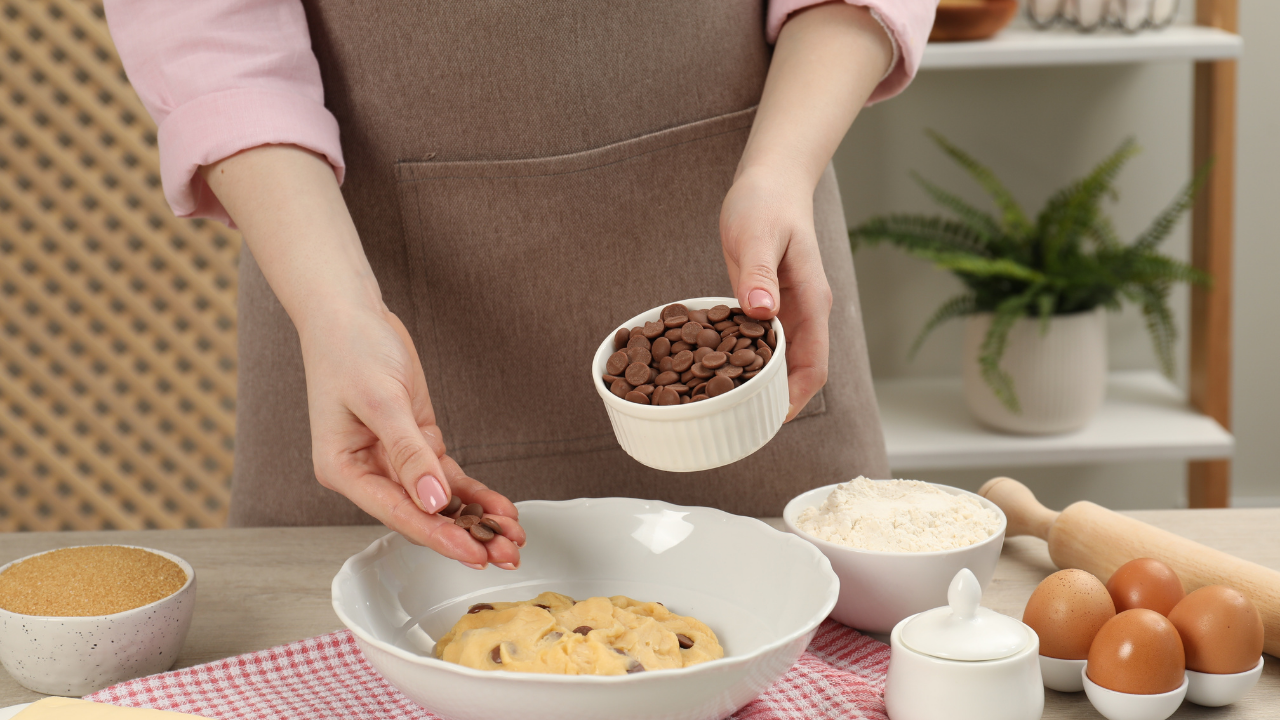
Chocolate chips, nuts, or frozen berries can sink to the bottom if added directly. Tossing them in a light dusting of flour before folding into the dough keeps them evenly distributed. This also prevents juices from frozen berries from discolouring the dough and maintains a professional, uniform appearance for your cookies.

5. Keep multiple cookie sheets ready

5. Keep multiple cookie sheets ready
© Shutterstock / Pavel Danilyuk

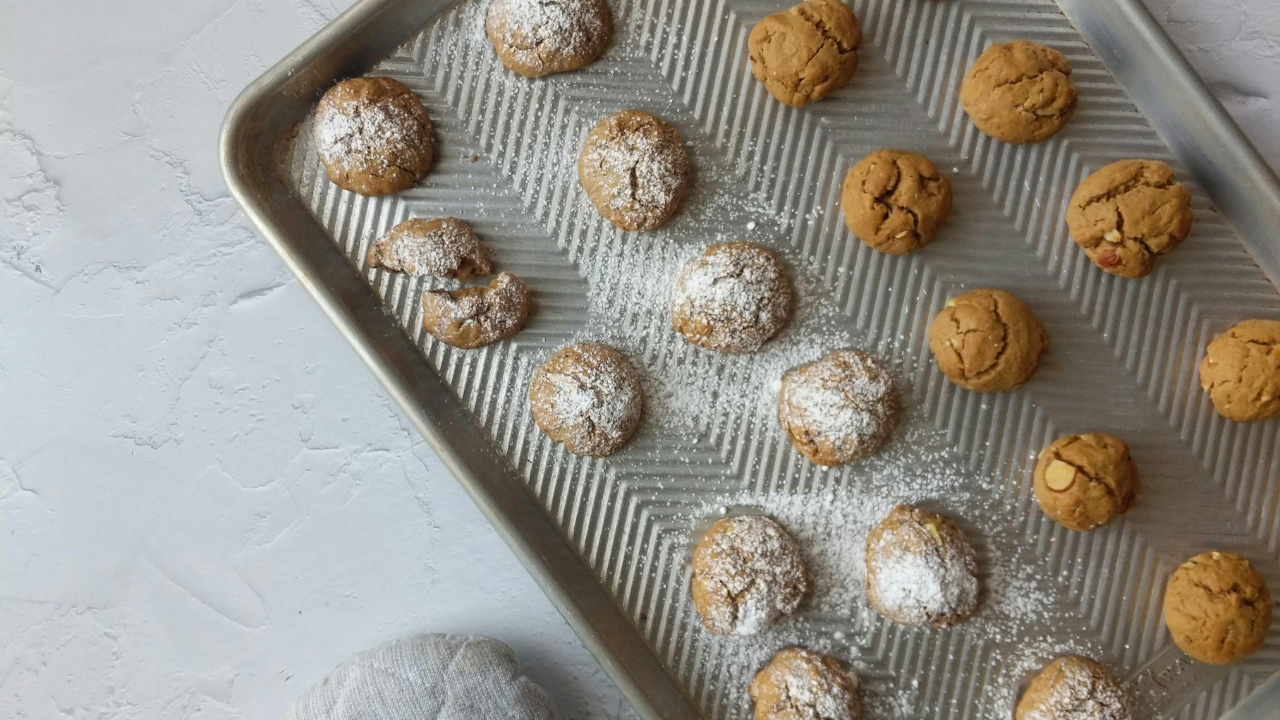
Using two or more cookie sheets helps manage larger batches efficiently. Placing dough on a hot sheet immediately after baking can cause uneven melting and shape issues. Rotating sheets between racks ensures consistent heat distribution, producing evenly baked cookies with golden edges and a tender center.

6. Use portioning tools instead of spoonfuls
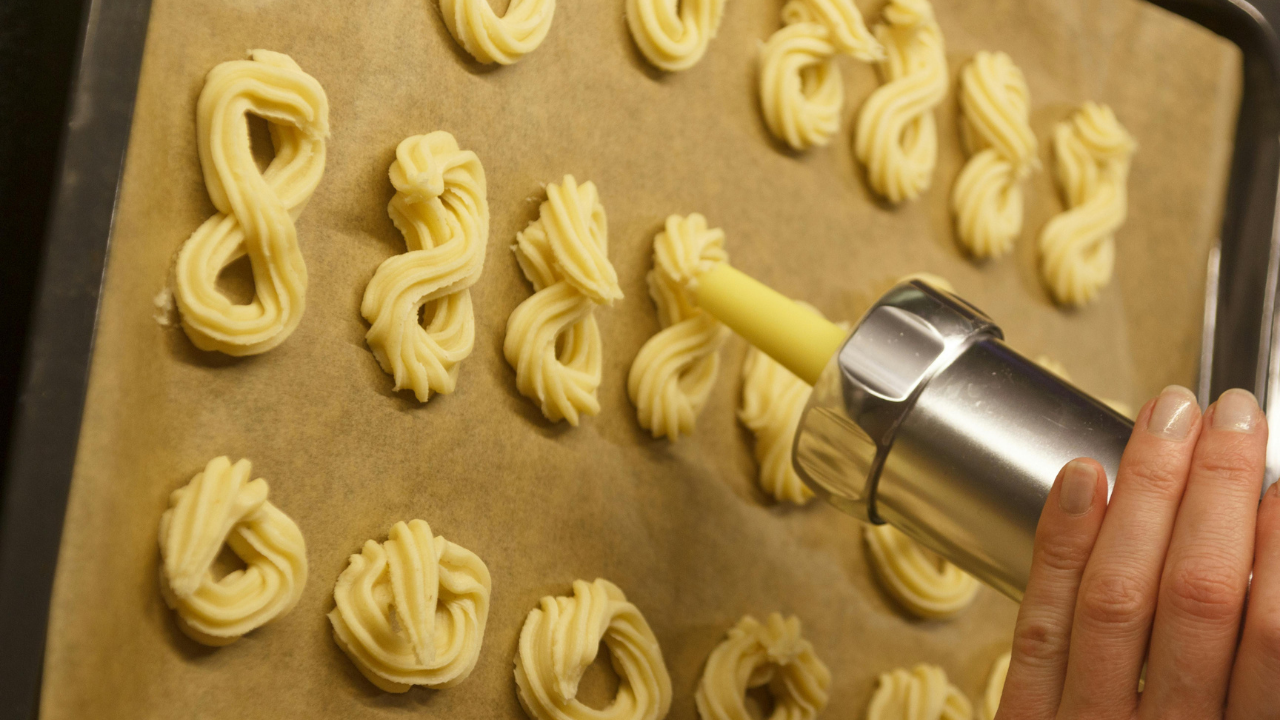
6. Use portioning tools instead of spoonfuls
© Pexels / Aleksander Dumała

Spoonfuls can vary in size, affecting baking time and cookie consistency. A cookie scoop ensures uniform portions, producing evenly sized cookies that bake predictably. This method improves presentation, texture, and overall results, allowing each cookie to come out just right, whether soft and thick or slightly crisp.

7. Preheat and calibrate your oven

7. Preheat and calibrate your oven
© vecteezy _ Irfani Kurniawati

Always preheat the oven to the correct temperature. Ovens often vary, and a thermometer helps verify accuracy. Proper preheating ensures cookies set correctly, bake evenly, and develop the desired color. Calibrating your oven prevents burnt bottoms or underbaked centers and creates consistent results every time.

8. Center racks and rotate sheets

8. Center racks and rotate sheets
© Pinterest / Daily Recipes

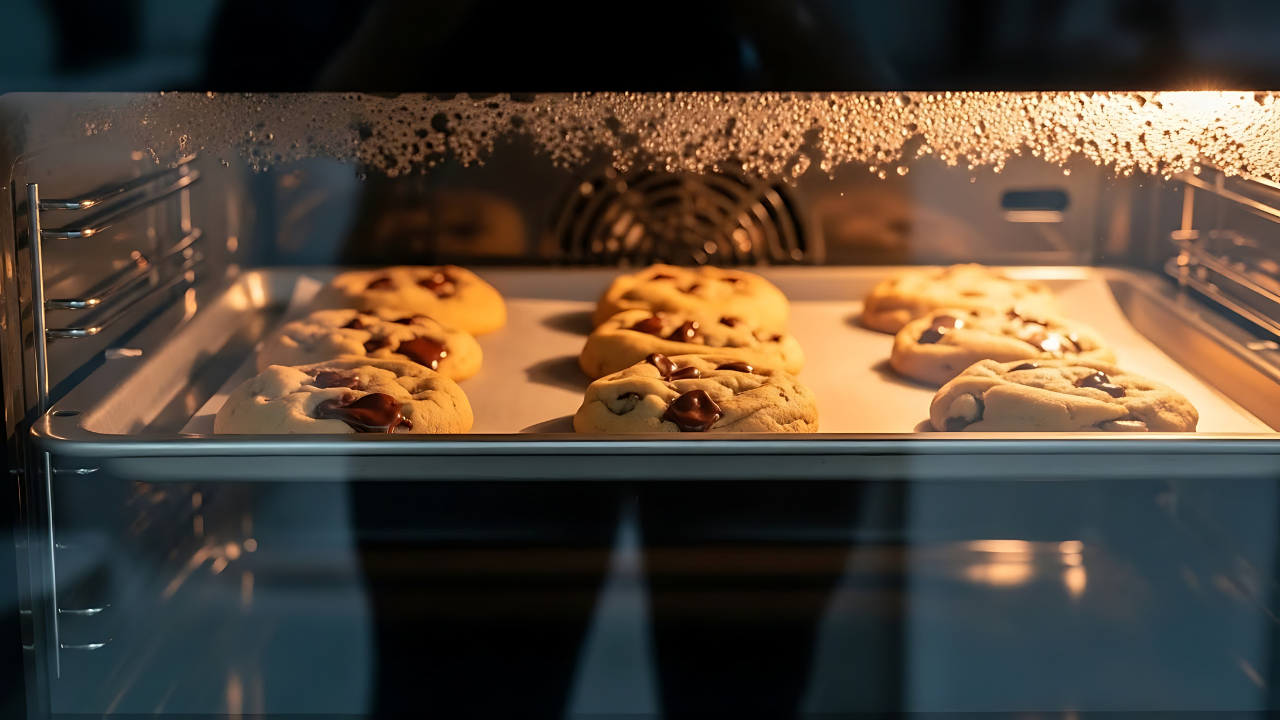
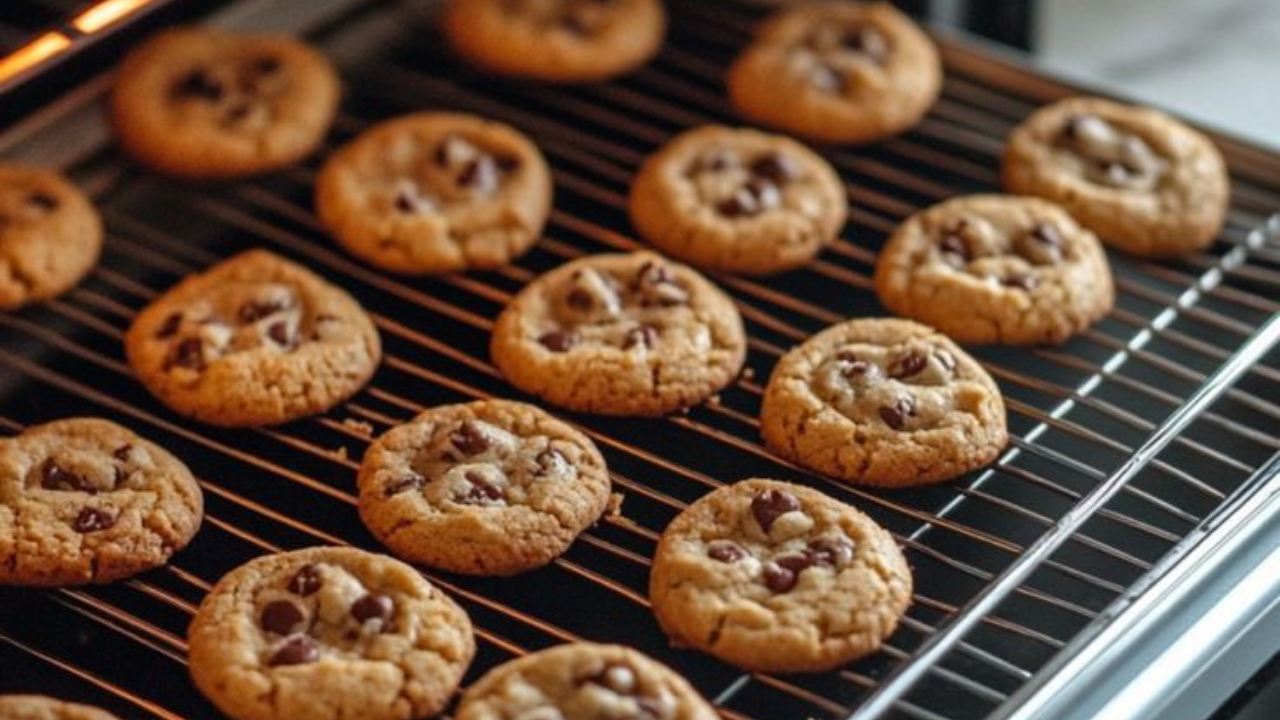
Positioning trays in the center allows even heat circulation. When baking multiple sheets, space racks evenly and swap top and bottom trays halfway through. This method prevents uneven baking, ensuring cookies cook consistently from edge to edge and maintain both crispness on the outside and softness in the middle.

9. Choose the right cookie sheet

9. Choose the right cookie sheet
© Pinterest / Williams Sonoma

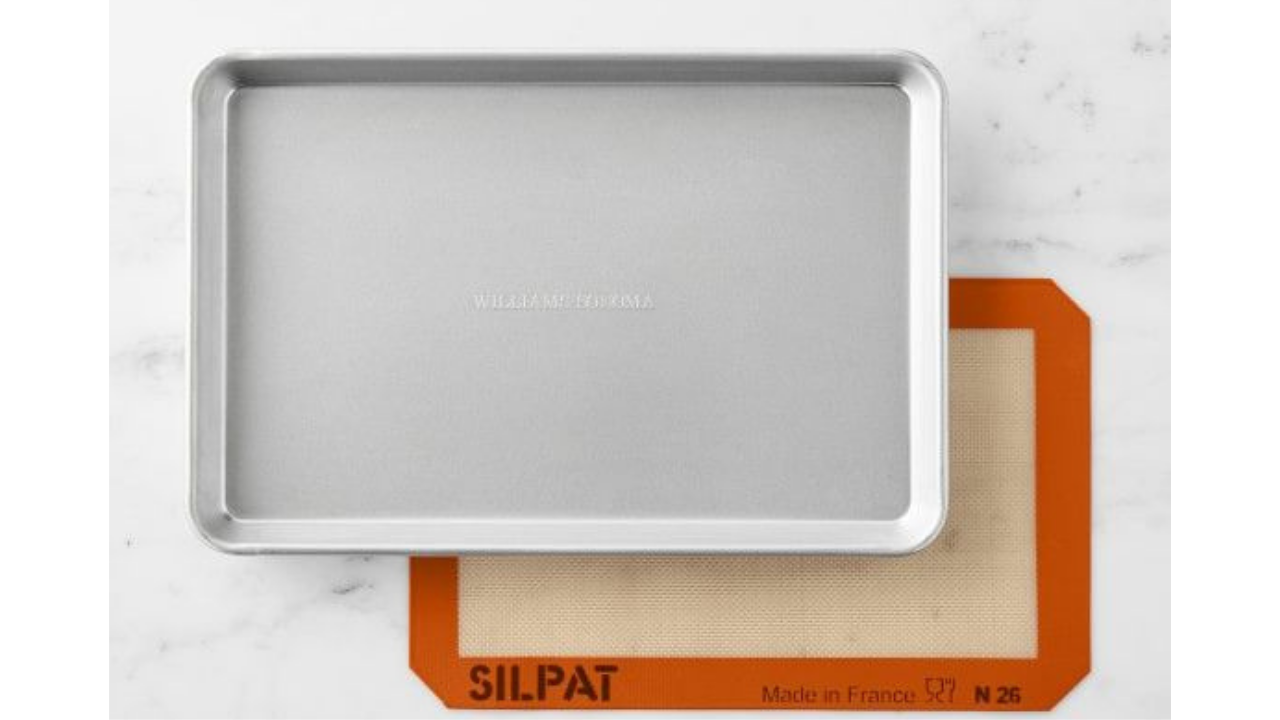
Shallow, rimmed cookie sheets are best for even baking. Allow at least 1–2 inches of space between cookies for proper heat circulation. Light-colored sheets promote uniform browning, while deep or dark pans can overcook edges. Selecting the correct pan ensures cookies have the intended texture, shape, and golden appearance.

10. Adjust flour for desired texture

10. Adjust flour for desired texture
© Pexels / Amnah Mohammad

Small tweaks in flour quantity can dramatically affect cookie results. Adding slightly more flour creates thick, soft cookies, while reducing flour produces crisp edges with a chewy interior. Adjust according to your preferred texture to achieve cookies that are perfectly balanced and ideal for sharing or dunking in milk.

Comments (0)

No comments yet. Be the first to share your thoughts!

Leave a Reply