Current Date: 10 June, 2026

15 foods often discussed in relation to high blood pressure

High blood pressure, or hypertension, is a common condition that affects the arteries and increases the risk of heart disease and stroke. Diet plays a crucial role in managing blood pressure, and certain foods can contribute to higher readings or strain on the cardiovascular system. By being mindful of what you consume, you can help protect your heart and support overall health. Here are fifteen foods to limit or avoid if you’re aiming to maintain healthy blood pressure levels.

1. Processed meats
1. Processed meats
© Shutterstock / RecCameraStock

Bacon, sausages, hot dogs, and deli meats are often high in sodium and saturated fats. Sodium can cause the body to retain excess fluid, which increases the pressure within blood vessels. Regular consumption of these meats can exacerbate hypertension and strain cardiovascular health. Choosing lean proteins like chicken, fish, or plant-based alternatives is a better option to support heart health.

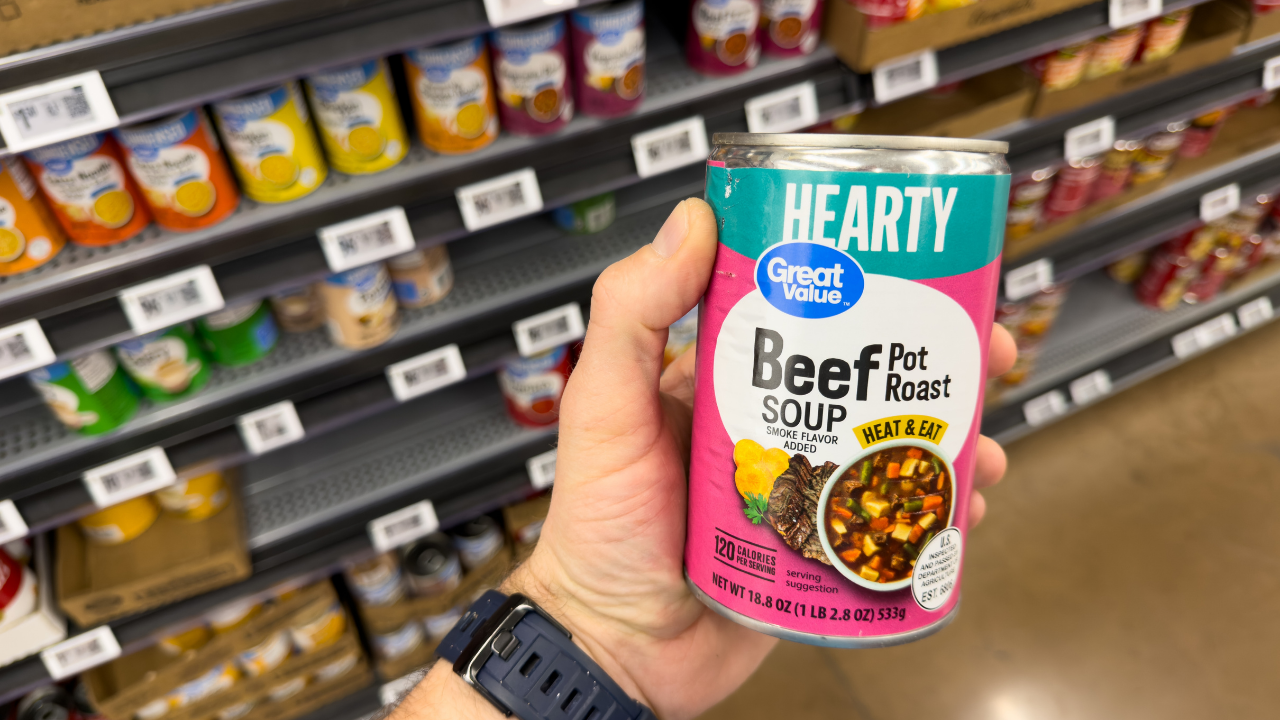
2. Canned soups

2. Canned soups
© Shutterstock / ZikG

While convenient, many canned soups contain excessive salt and preservatives. A single serving can surpass your recommended daily sodium intake, which can worsen blood pressure control. Opting for low-sodium versions or making soups at home allows you to manage salt levels while enjoying a comforting and nutritious meal.

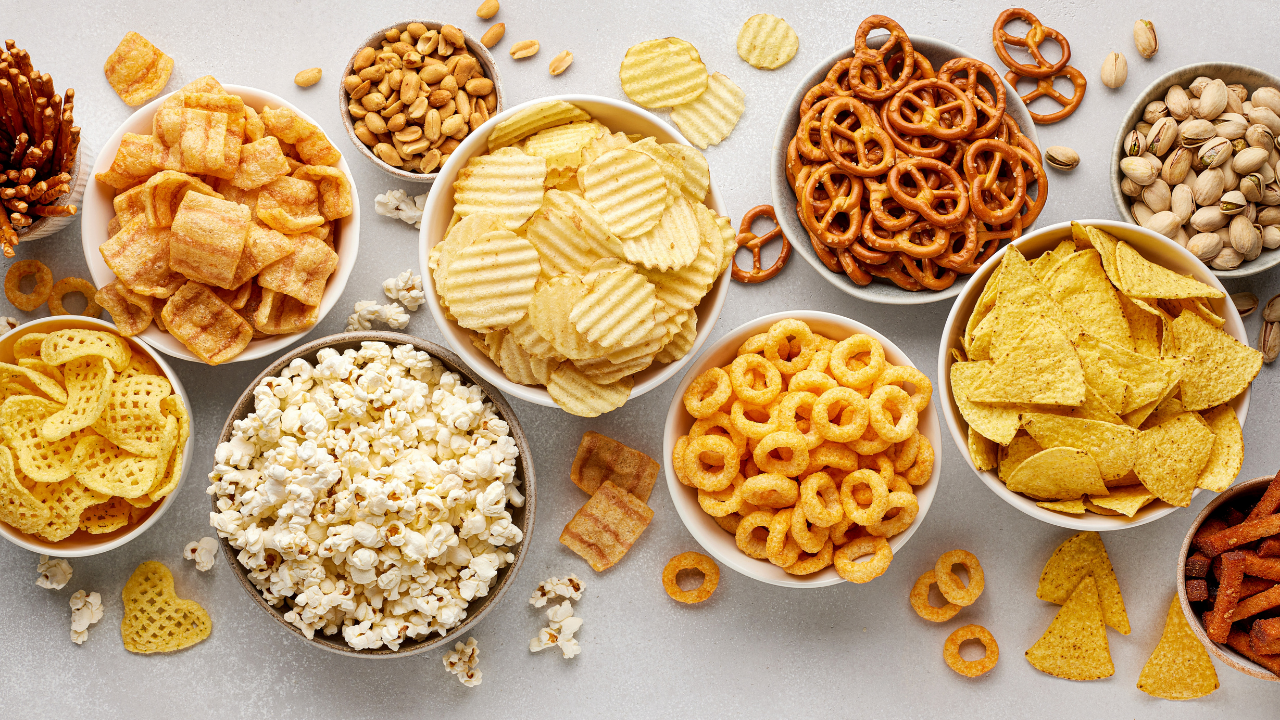
3. Salty snacks

3. Salty snacks
© Shutterstock / baibaz

Potato chips, pretzels, and salted nuts are popular but high in sodium. Frequent snacking on these items can spike blood pressure and increase cardiovascular risk. Replacing them with unsalted nuts, air-popped popcorn, or fresh fruit provides satisfying crunch without overloading your system with salt.

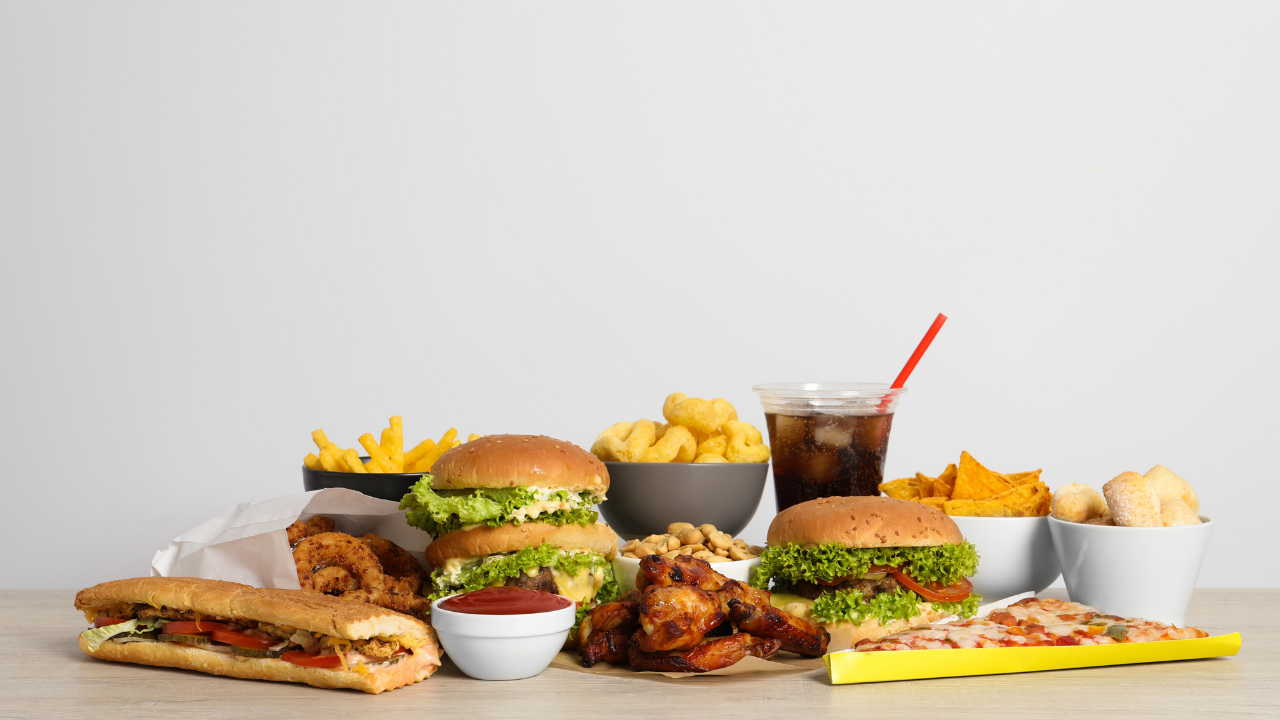
4. Fast food

4. Fast food
© Shutterstock / New Africa

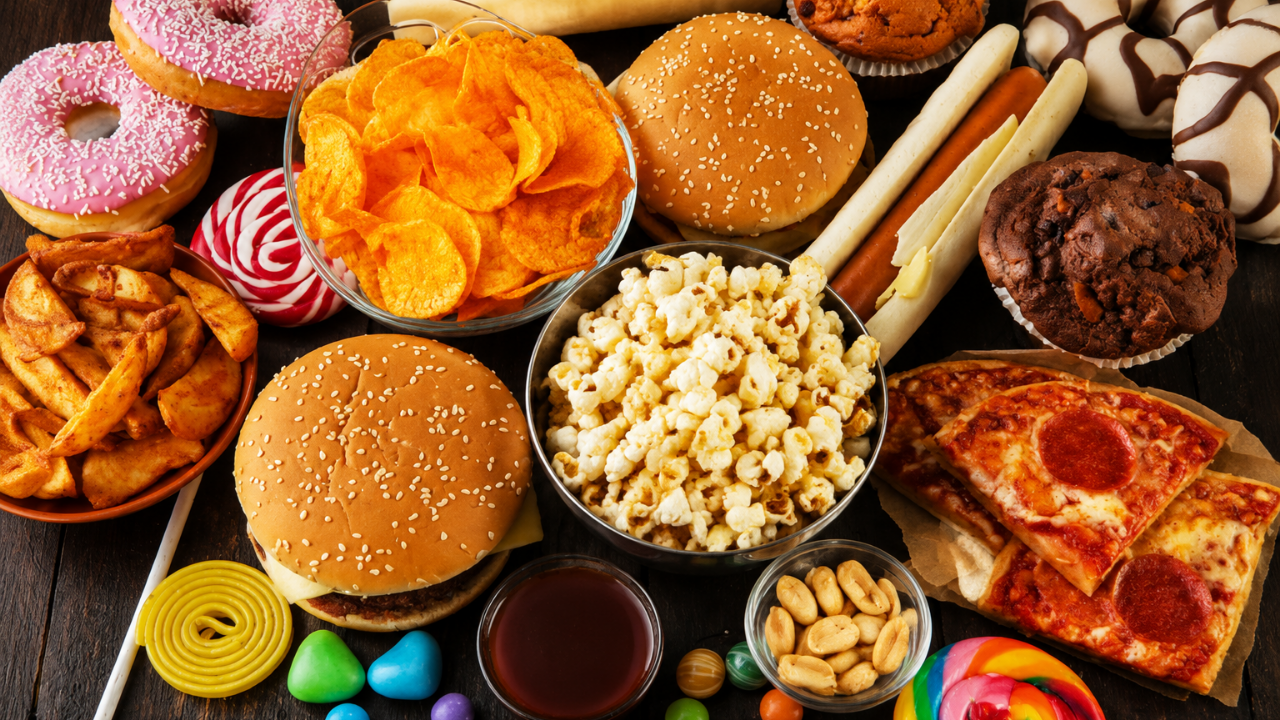
Burgers, fries, fried chicken, and pizzas often contain high amounts of salt, trans fats, and refined carbohydrates. Consuming these foods regularly can raise blood pressure and cholesterol levels. Preparing meals at home using fresh, whole ingredients offers a healthier alternative while still allowing flavorful, satisfying dishes.

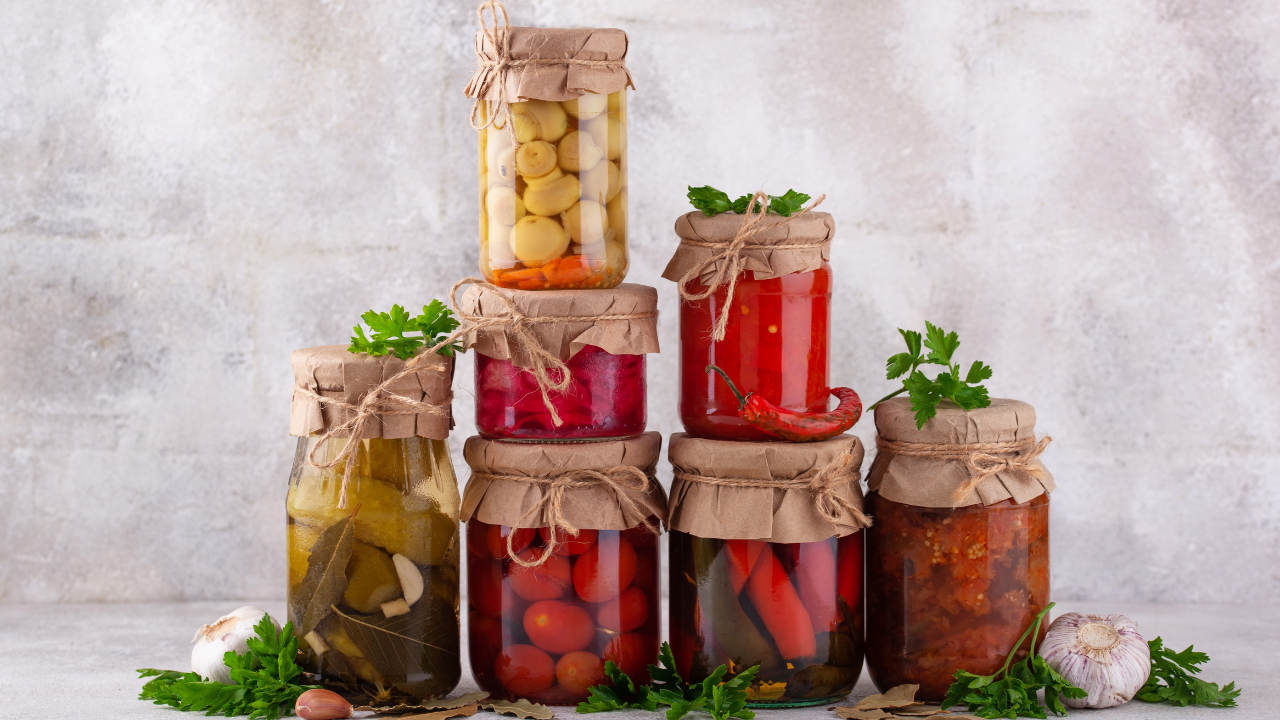
5. Pickled and fermented foods

5. Pickled and fermented foods
© Shutterstock / Yulia Furman

Pickles, kimchi, and other fermented foods can be high in sodium despite their probiotic benefits. Excess salt may aggravate hypertension if eaten in large quantities. Consuming these foods in moderation and rinsing them before eating can help reduce sodium intake without sacrificing flavor.

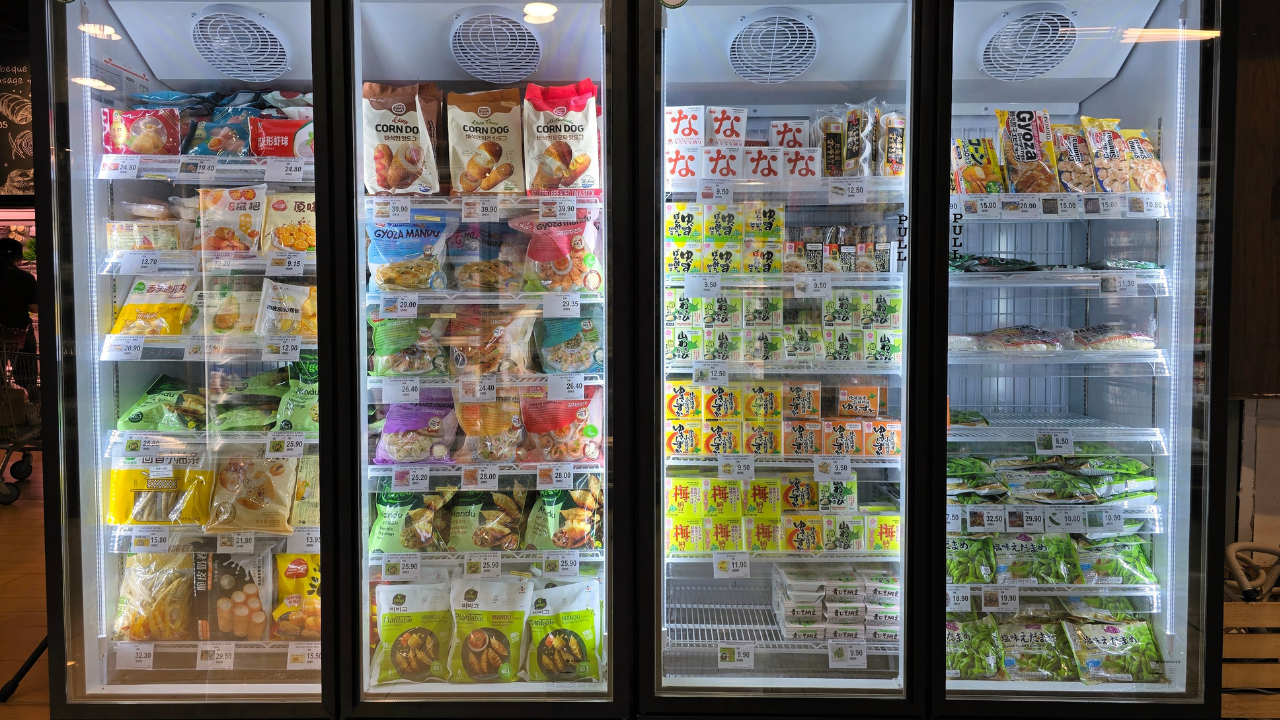
6. Frozen meals

6. Frozen meals
© Shutterstock / TY Lim

Many pre-packaged frozen meals contain hidden salts, preservatives, and unhealthy fats. Relying on these for daily meals may contribute to high blood pressure and weight gain. Homemade frozen dishes or simple vegetable mixes can be prepared with minimal salt, offering a healthier and convenient alternative.

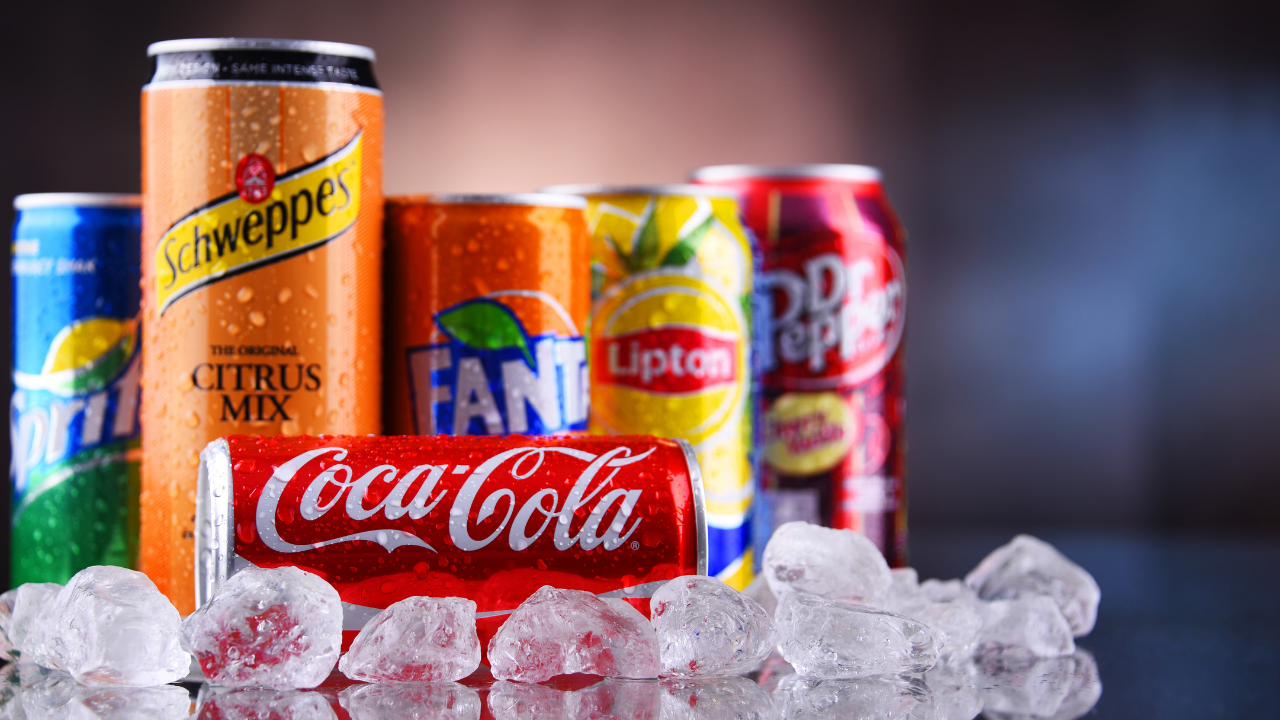
7. Sugary beverages

7. Sugary beverages
© Shutterstock / monticello

Sodas, sweetened fruit juices, and energy drinks are high in added sugars. Excess sugar contributes to weight gain and may indirectly influence blood pressure. Choosing water, unsweetened herbal teas, or fruit-infused water provides hydration while avoiding unnecessary sugar and calories.

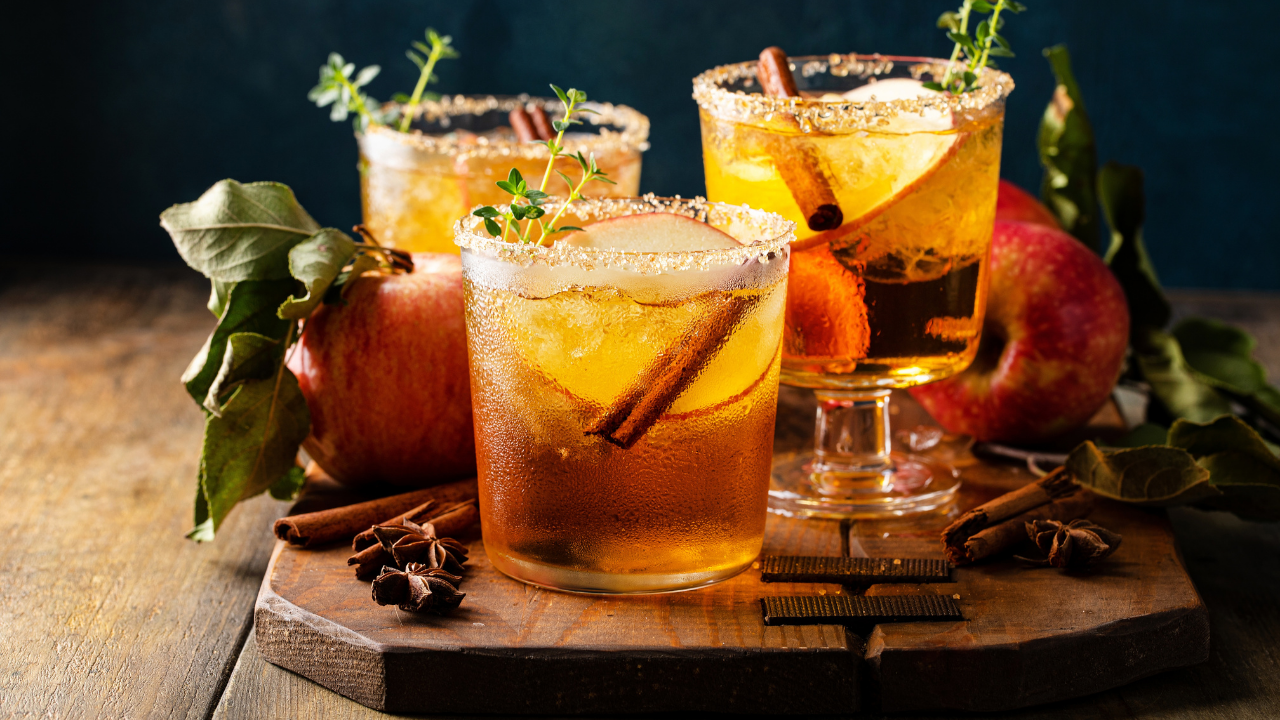
8. Alcohol

8. Alcohol
© Shutterstock / Elena Veselova

Drinking alcohol in excess can raise blood pressure and interfere with medications used to manage hypertension. Limiting consumption or avoiding alcohol altogether is important for maintaining cardiovascular health. Moderate intake, if allowed, should always follow medical guidance.

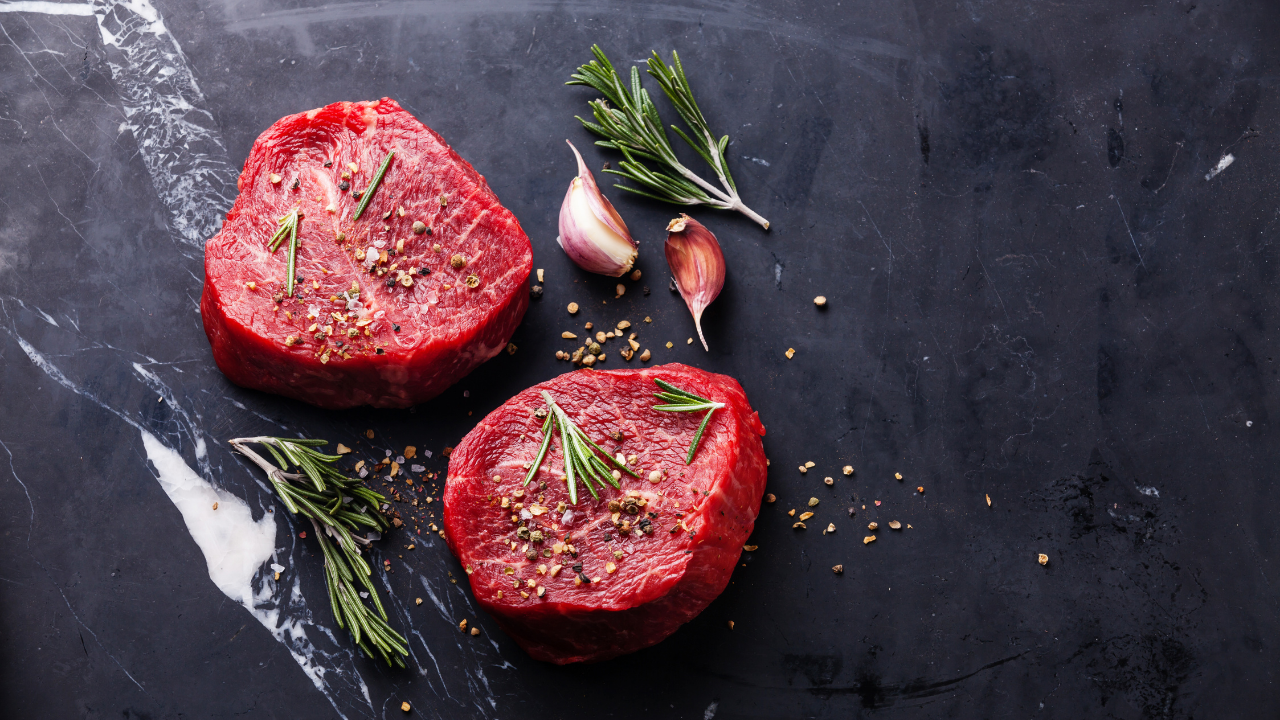
9. Red meat

9. Red meat
© Shutterstock / Natalia Lisovskaya

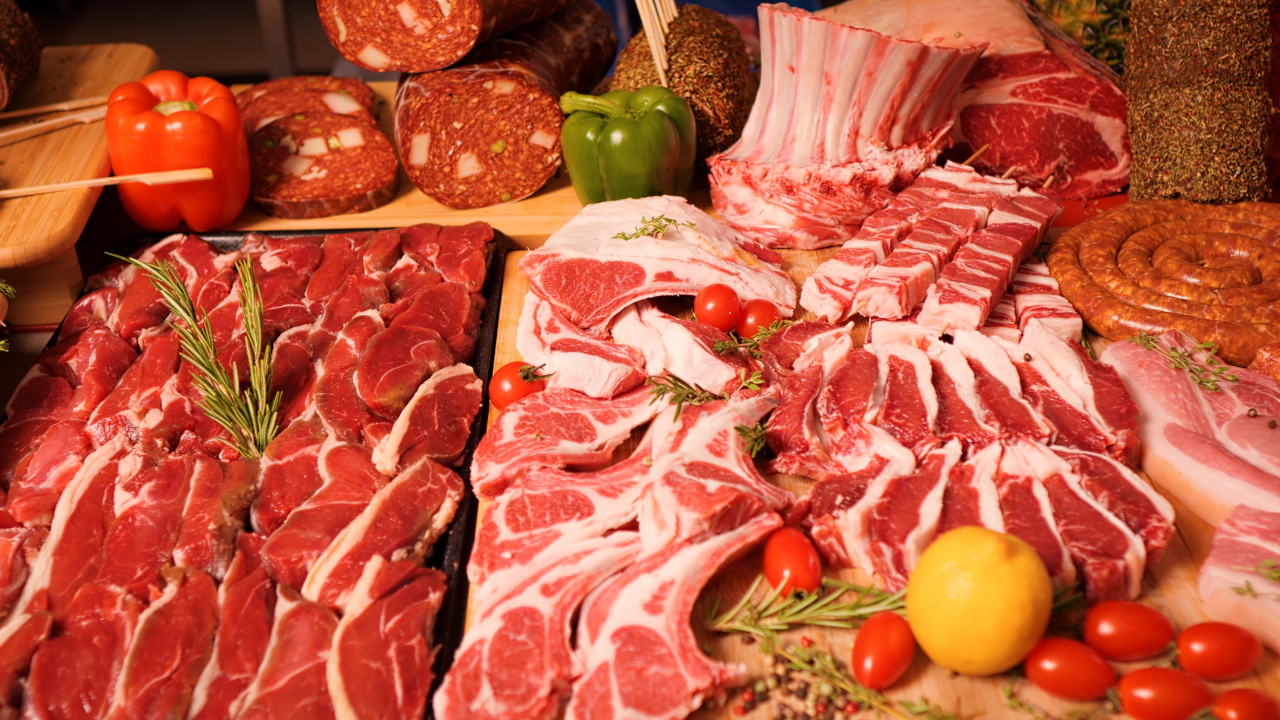
Fatty cuts of red meat can contribute to higher blood pressure and cholesterol. Saturated fats and high iron content may increase cardiovascular strain. Replacing red meat with lean poultry, fish, or plant-based proteins can reduce risk while still providing essential nutrients and protein.

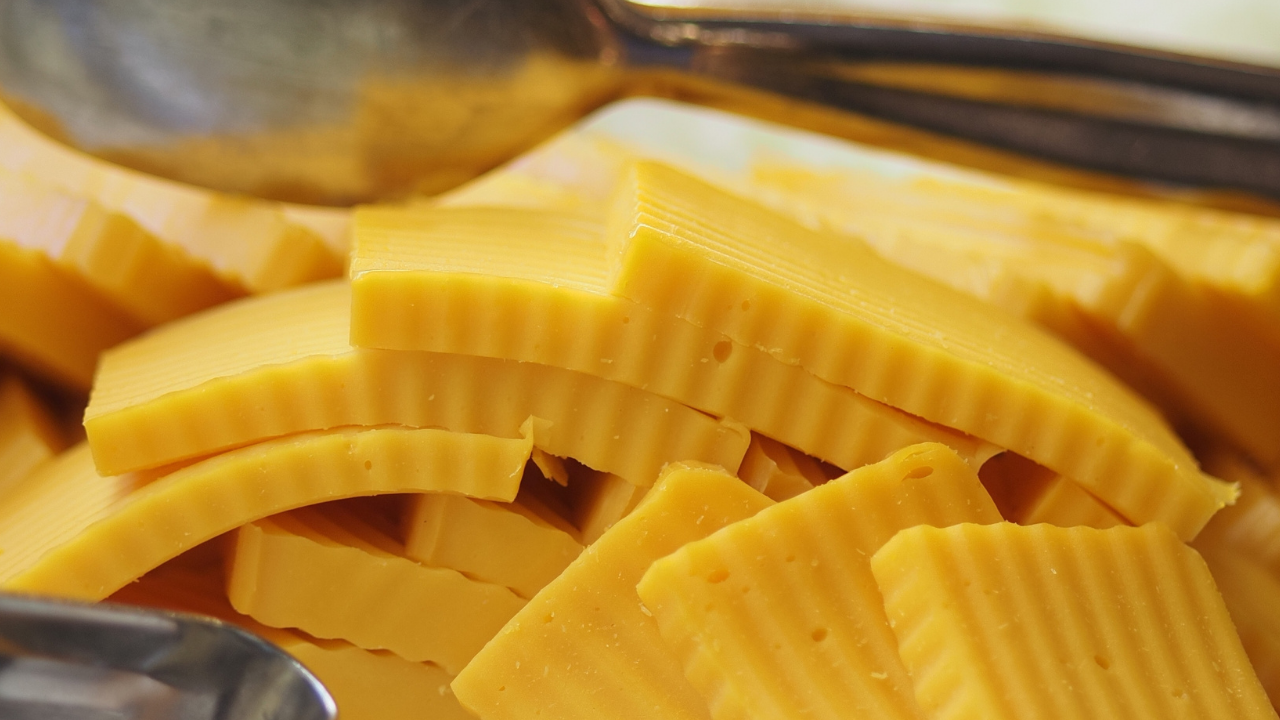
10. Processed cheese

10. Processed cheese
© Shutterstock / Towfiqu ahamed barbhuiya

Cheese spreads, slices, and sauces often contain high sodium and unhealthy fats. Excessive consumption can add significantly to daily salt intake. Opting for low-sodium or natural cheeses in moderation helps maintain flavor while protecting blood pressure.

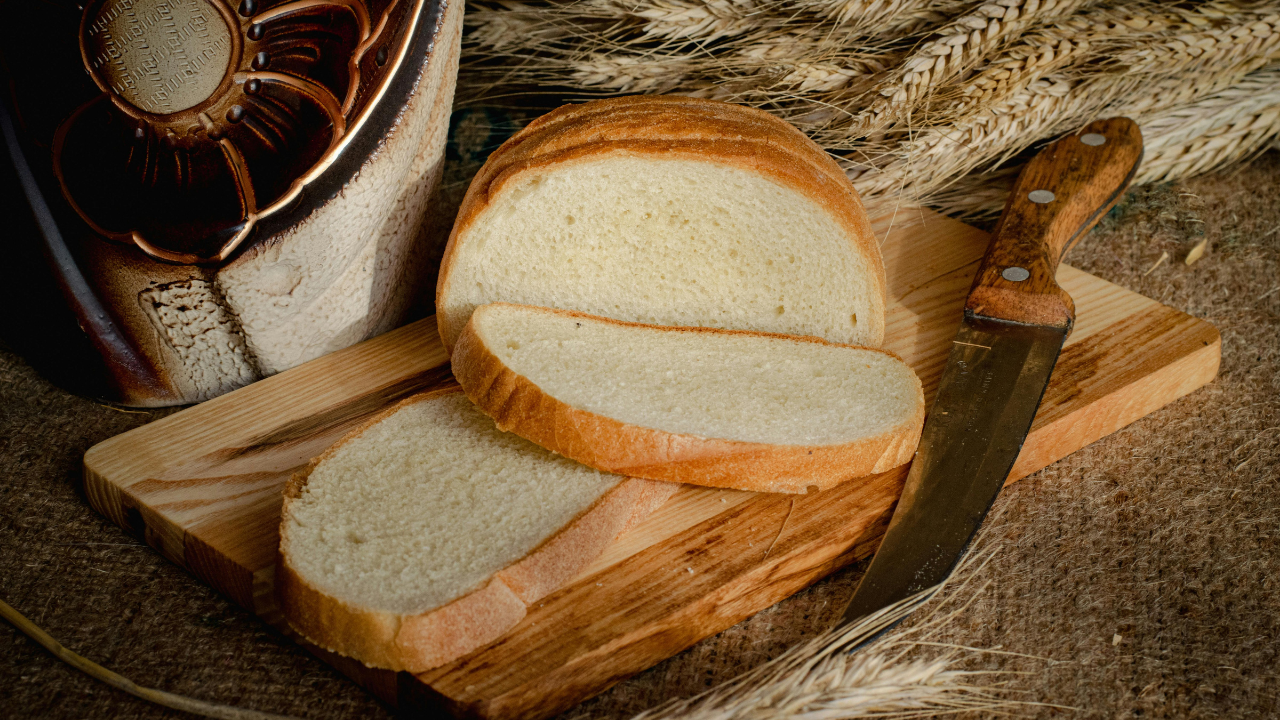
11. White bread and refined grains

11. White bread and refined grains
© Pexels / Володимир Олейніков

Refined grains like white bread, pasta, and rice have little fiber and can contribute to insulin resistance and weight gain, which may indirectly affect blood pressure. Whole grains such as oats, quinoa, and brown rice are preferable for their nutritional value and cardiovascular benefits.

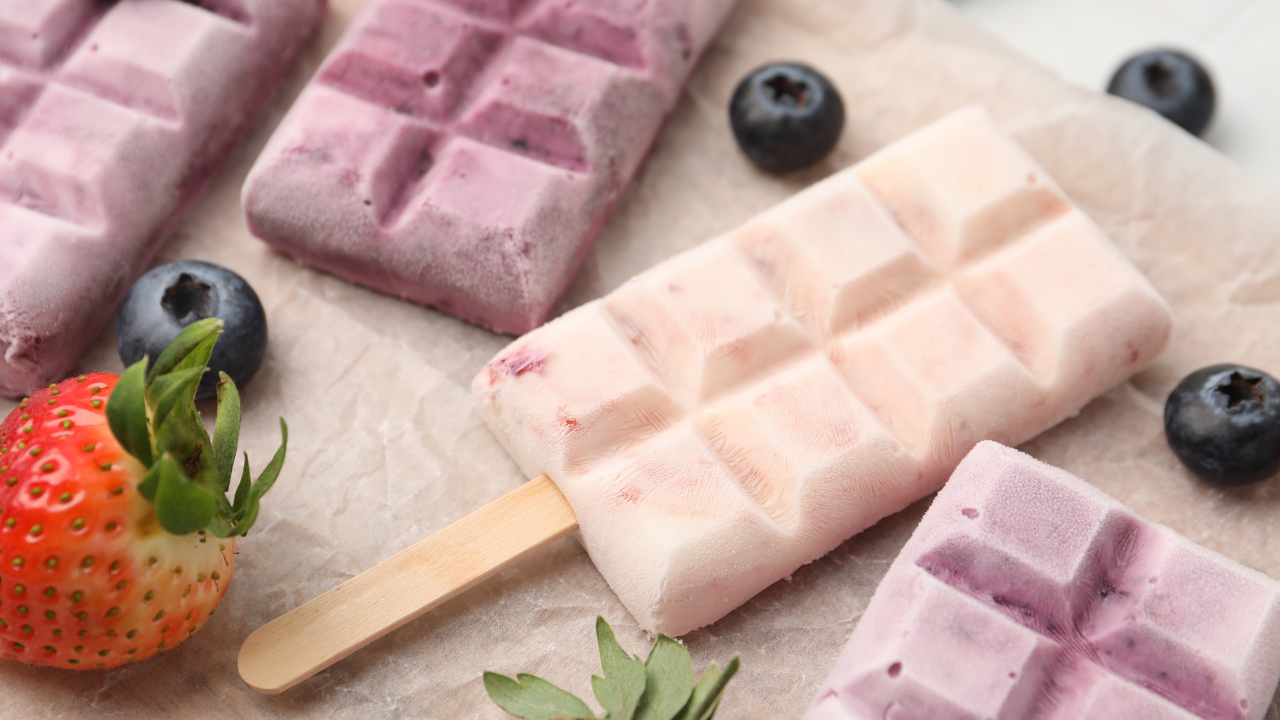
12. Frozen desserts

12. Frozen desserts
© Shutterstock / New Africa

Ice creams, pastries, and cakes often contain trans fats and added sugar, which can contribute to weight gain and elevated blood pressure. Choosing fresh fruit, yogurt, or homemade treats with minimal sugar provides a satisfying alternative without the added risk.

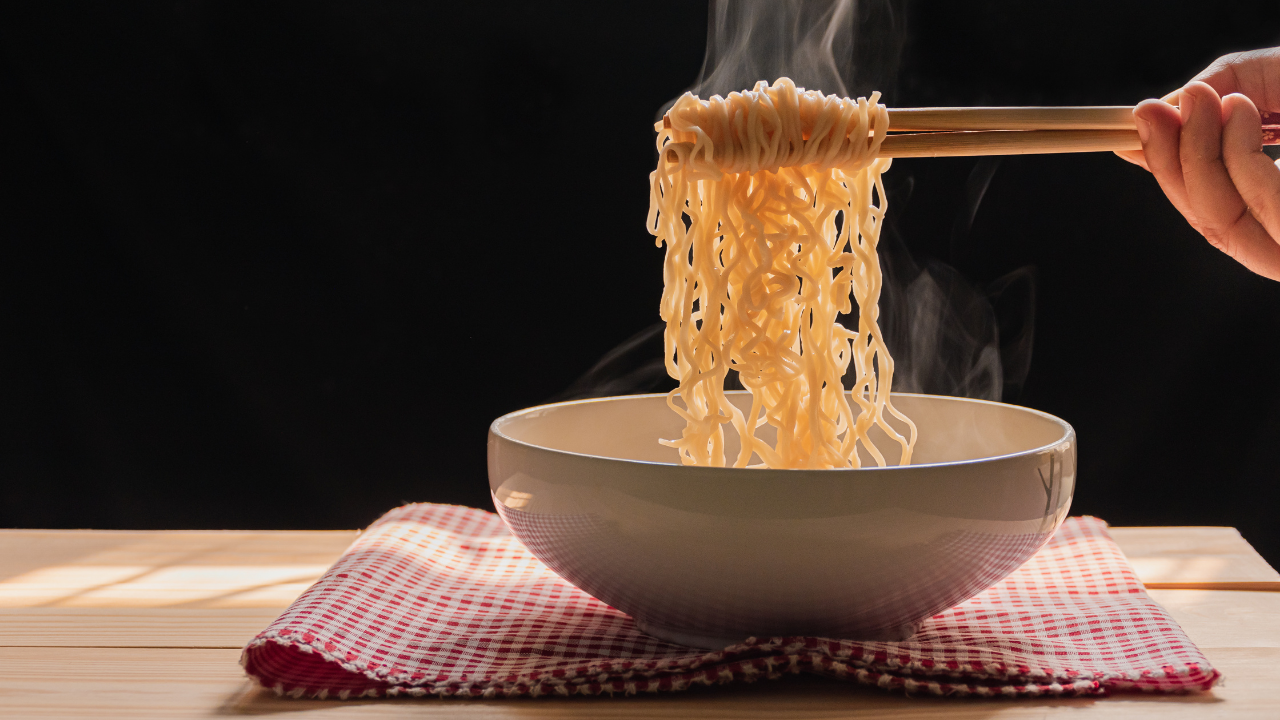
13. Instant noodles

13. Instant noodles
© Shutterstock / AnnGaysorn

Instant noodles are highly processed and packed with sodium and preservatives. Frequent consumption is linked to an increased risk of hypertension. Preparing noodles from scratch using low-sodium broth and fresh vegetables is a healthier option.

14. Condiments and sauces

14. Condiments and sauces
© Shutterstock / REC Stock Footage

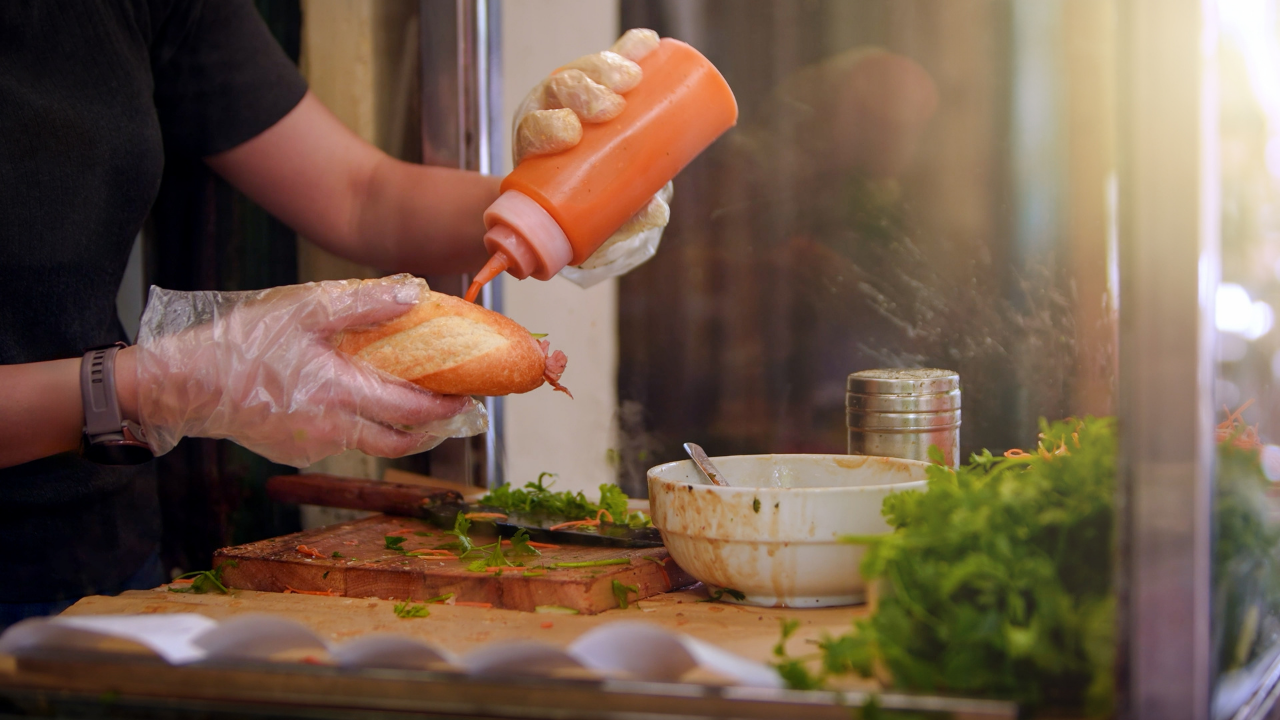
Soy sauce, ketchup, barbecue sauce, and salad dressings often hide significant amounts of salt and sugar. Even small portions can add up quickly. Seasoning dishes with herbs, spices, vinegar, or lemon juice enhances flavor without compromising blood pressure.

15. Canned or bottled fruit juices

15. Canned or bottled fruit juices
© Shutterstock / Dontree M

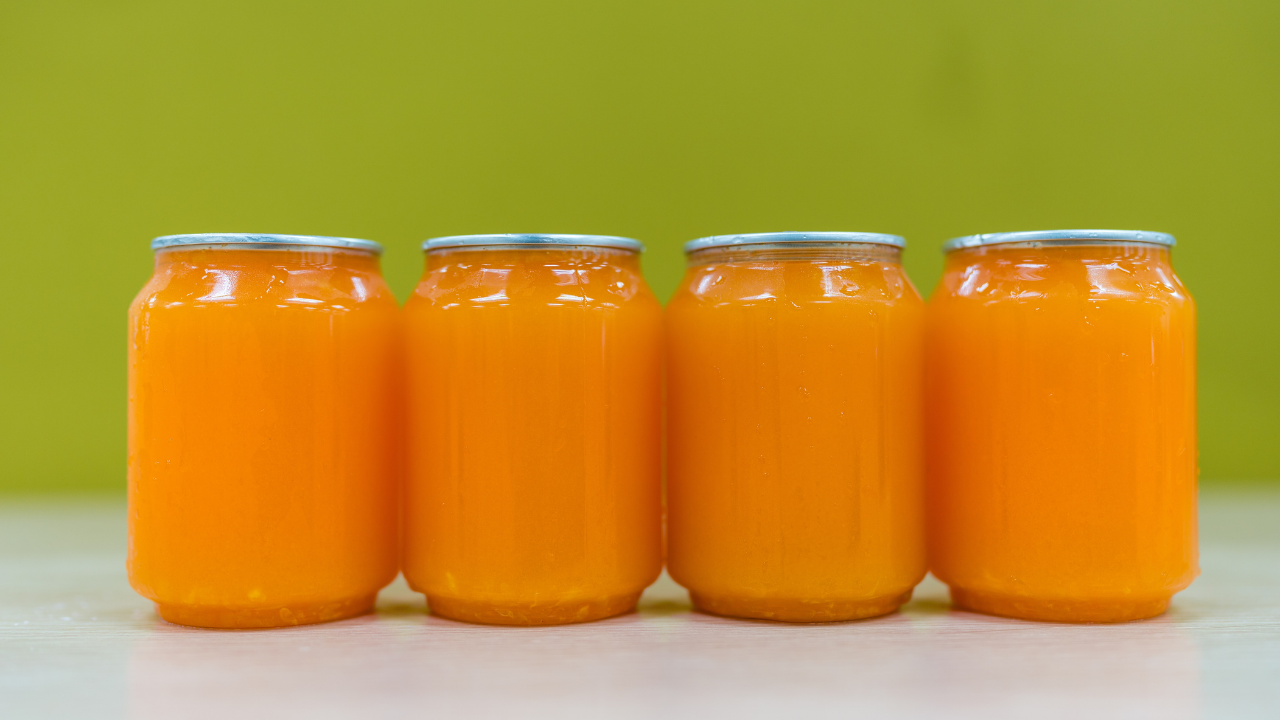
Many canned and bottled juices are high in sugar and lack fiber, contributing to metabolic strain and potential weight gain. Freshly squeezed fruit juice or whole fruit is preferable, providing natural sweetness alongside beneficial nutrients and fiber.

Comments (0)

No comments yet. Be the first to share your thoughts!

Leave a Reply