Protein plays an important role in muscle maintenance and overall nutrition. While many foods contain protein, meat continues to be one of the most concentrated and complete sources available. Different meats also provide additional nutrients such as iron, zinc, selenium, omega-3 fatty acids, and B vitamins that contribute to overall wellness.
Not all protein sources offer the same nutritional profile, however. Some meats are naturally leaner, while others contain higher amounts of saturated fat or calories. The healthiest choice often depends on personal goals, portion size, and preparation methods. These nine protein-rich meats are among the most popular options for building balanced meals while supporting everyday nutrition.
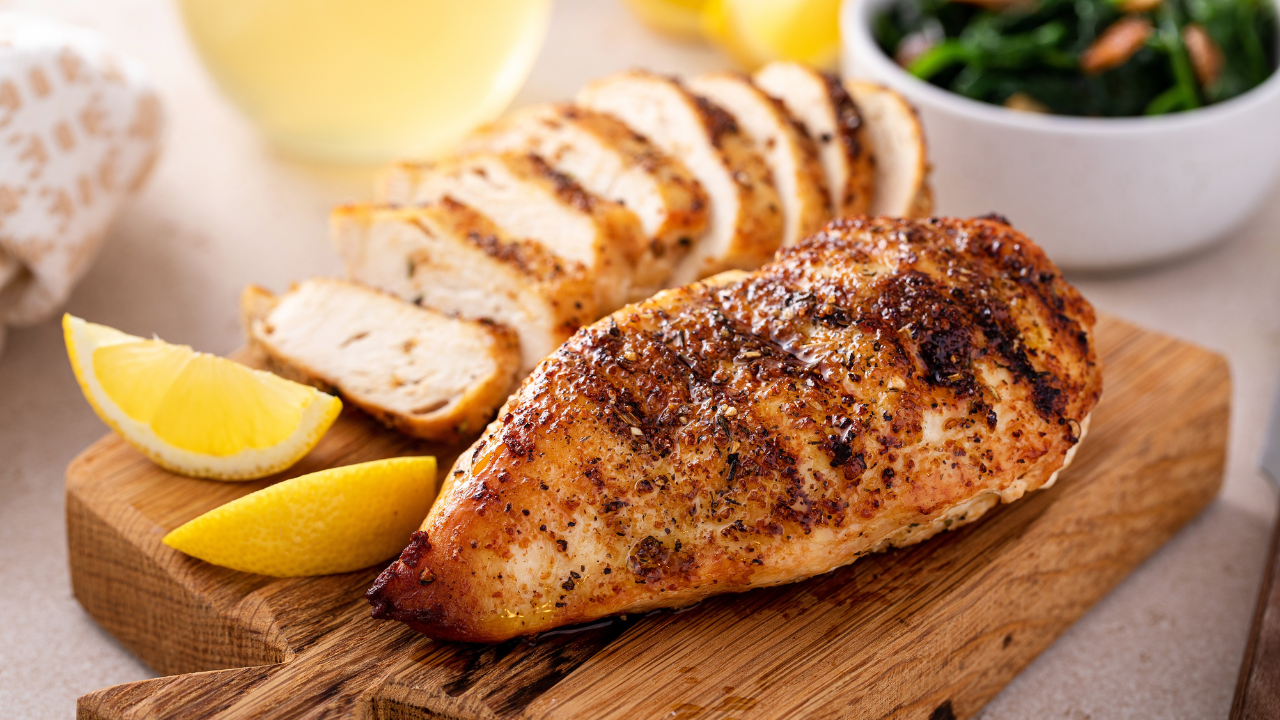
1. Chicken breast remains a reliable lean protein
© shutterstock / Elena Veselova
Chicken breast remains one of the most popular high-protein foods because it delivers a large amount of protein with relatively little fat. A standard serving provides around 25 grams of protein, making it especially useful for people focused on muscle support or weight management. Its mild flavor also makes it easy to include in salads, grain bowls, wraps, and roasted meals.
Beyond protein, chicken breast contains nutrients like niacin, selenium, and vitamin B6, which help support metabolism and immune health. Grilled or baked chicken is usually considered a healthier option than fried versions Its mild flavor and flexibility have helped chicken remain a staple in many everyday meals.
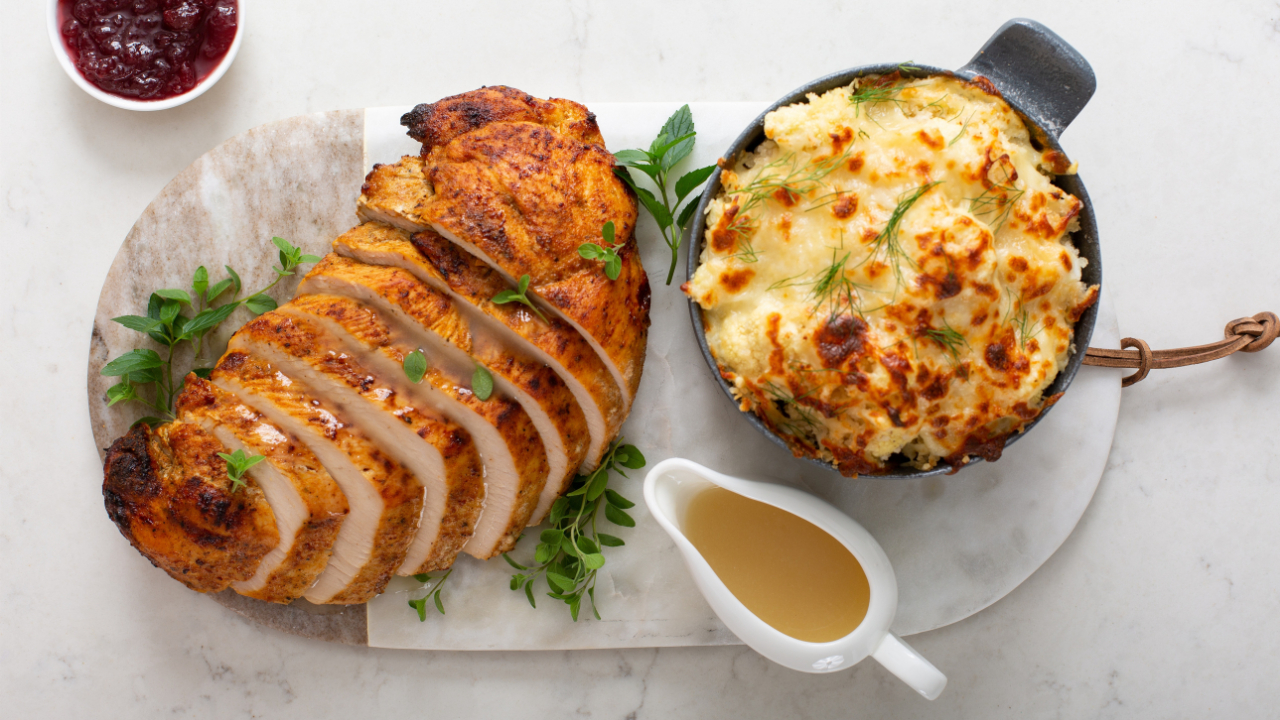
2. Turkey breast provides protein with less fat
© shutterstock / Elena Veselova
Turkey breast is another lean protein source often recommended for balanced eating plans. It provides slightly less fat than chicken while still delivering impressive protein content. Many people choose turkey for meal prep, sandwiches, or lighter dinners because it feels filling without becoming too heavy.
Turkey is also a good source of zinc, selenium, and vitamin B6, nutrients that contribute to metabolism and immune support. Choosing minimally processed turkey instead of sodium-heavy deli slices can help preserve its nutritional advantages. Roasted turkey breast paired with vegetables or whole grains creates a satisfying and protein-rich meal.
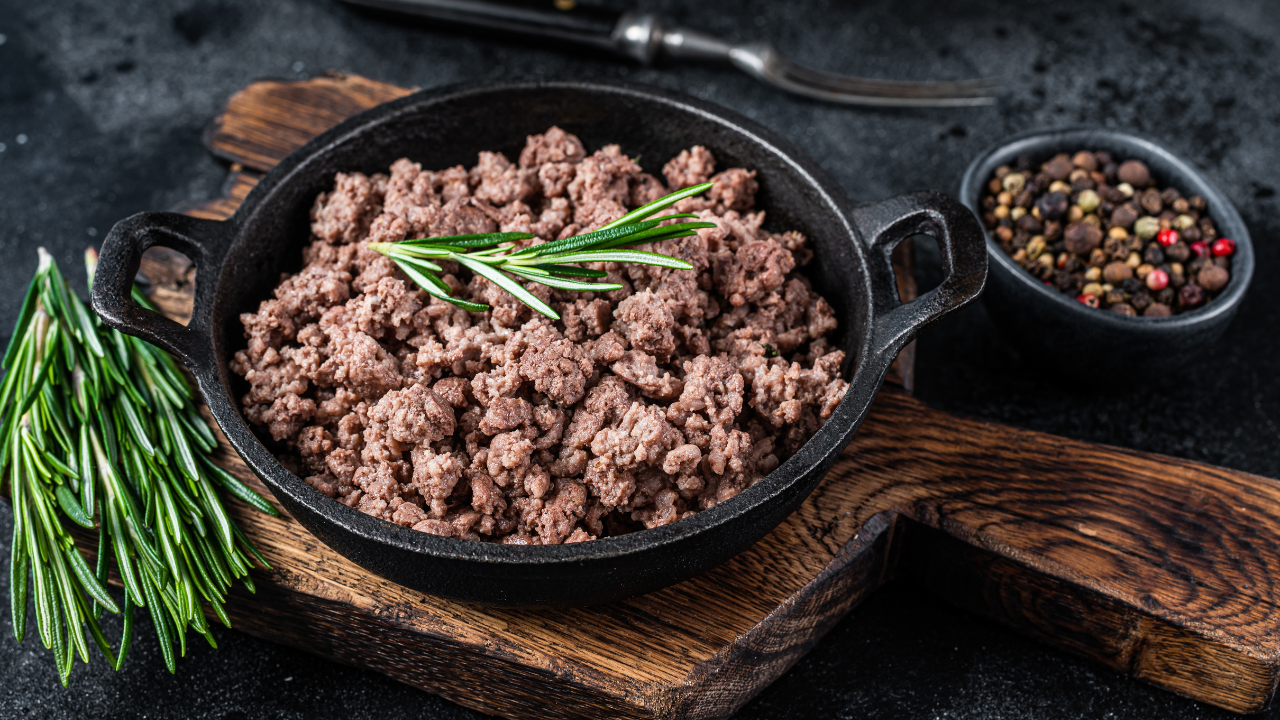
3. Lean ground beef combines protein and iron
© shutterstock / Mironov Vladimir
Lean ground beef offers a strong combination of protein, iron, vitamin B12, and zinc. These nutrients help support red blood cell production, energy levels, and muscle maintenance. Choosing leaner varieties helps reduce saturated fat while still preserving flavor and nutritional value.
Ground beef works well in burgers, tacos, pasta dishes, and rice bowls, making it one of the most versatile proteins for home cooking. Portion size matters, however, since larger servings can increase calorie and fat intake quickly. Pairing lean beef with vegetables and whole grains often creates a more balanced meal overall.
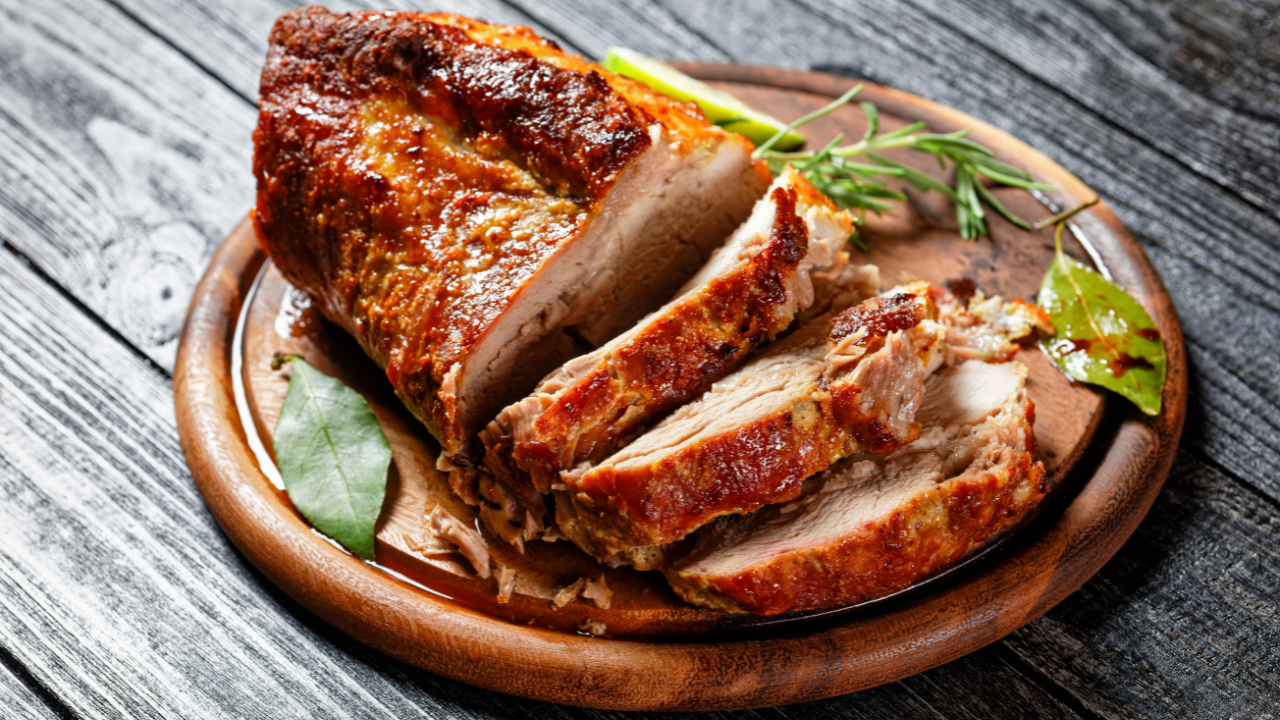
4. Pork Loin — A Leaner Red Meat Option
© shutterstock / from my point of view
Pork loin is often considered one of the leanest cuts of pork available. It provides a strong amount of protein while containing less fat than many people expect from red meat. Its mild flavor and tender texture make it suitable for roasting, grilling, or slicing into lighter meals.
This cut also contains selenium and thiamine, nutrients involved in energy production and nervous system support. Choosing loin cuts instead of processed pork products like bacon or sausage can help reduce sodium and saturated fat intake. Pork loin can fit comfortably into balanced meals when enjoyed in moderation.
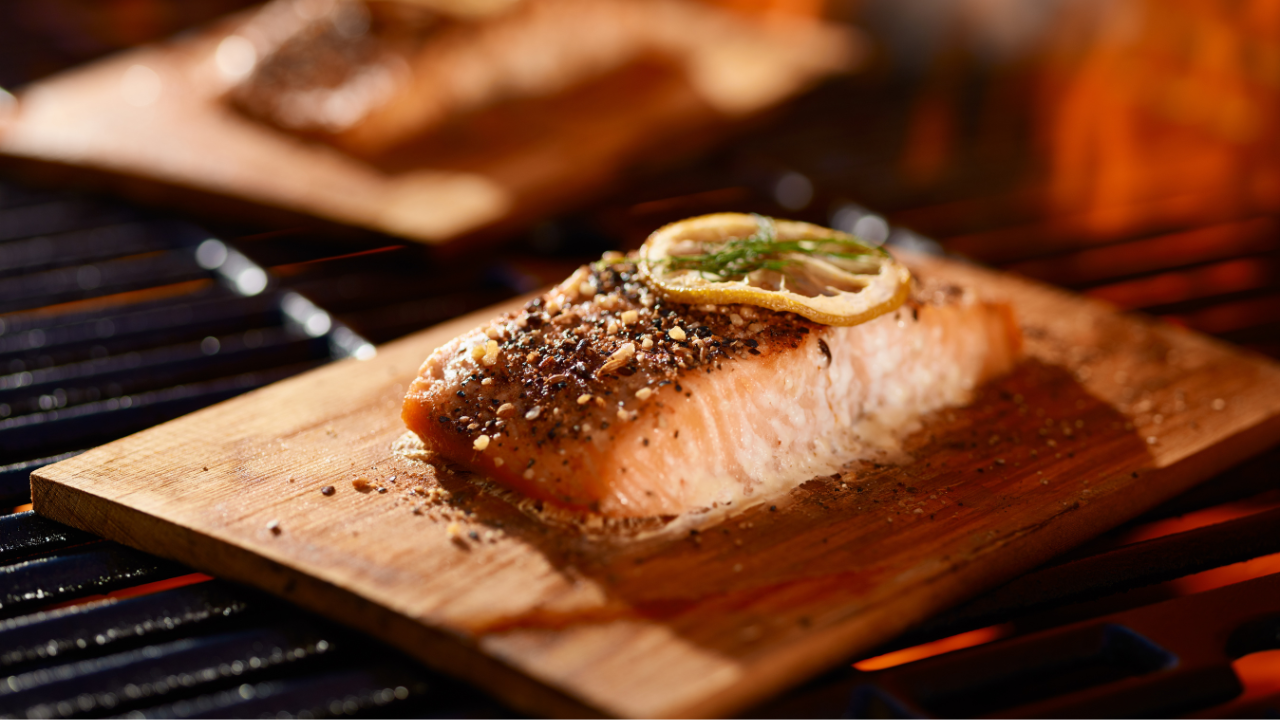
5. Salmon combines protein with omega-3 fats
© shutterstock / Joshua Resnick
Salmon stands out because it combines quality protein with omega-3 fatty acids that support heart and brain health. While slightly higher in fat than poultry, most of its fat content comes from beneficial unsaturated fats. This combination makes salmon one of the most balanced protein choices available.
Salmon also provides vitamin D and vitamin B12, nutrients many people struggle to get consistently through food alone. Baking or pan-searing salmon helps preserve both texture and flavor without relying on heavy sauces. Its rich taste and nutritional value make it a favorite among health-conscious eaters.
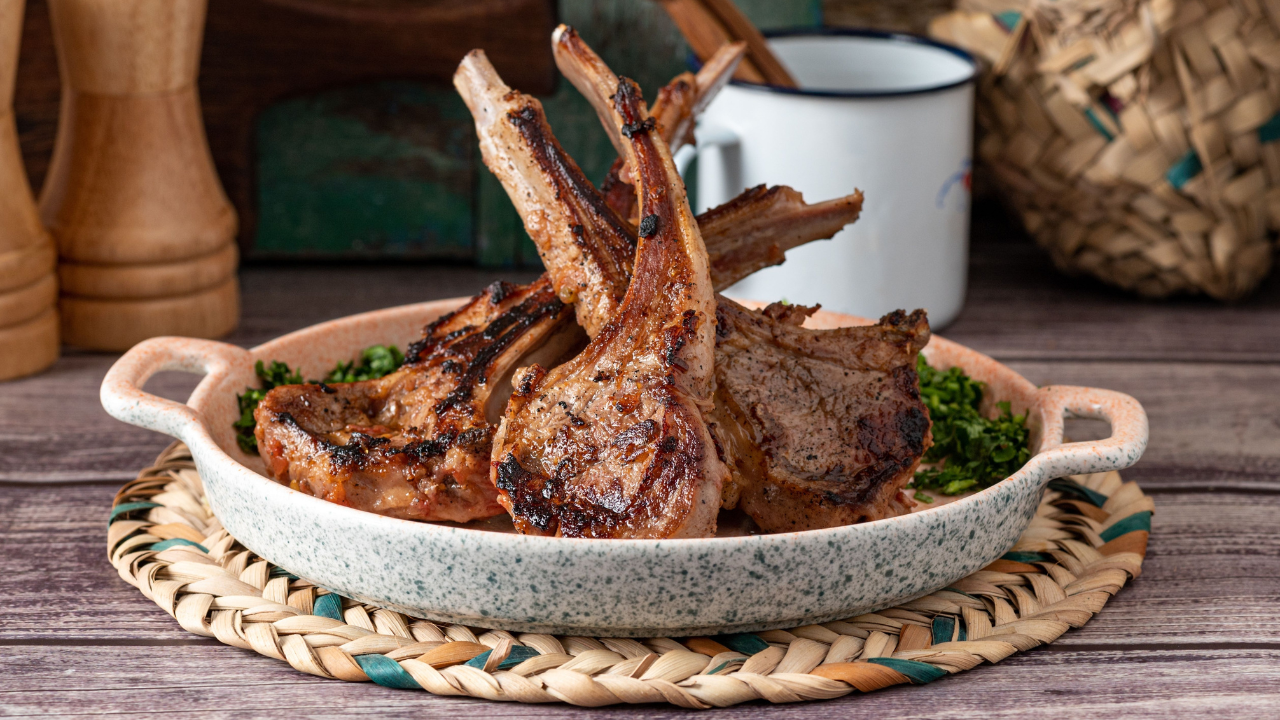
6. Lamb Chops — Rich Flavor With Strong Nutrition
© shutterstock / Wirestock Creators
Lean lamb chops provide impressive protein content alongside nutrients such as zinc, selenium, iron, and vitamin B12. Lamb is especially known for its rich flavor and satisfying texture, making it a popular option for special dinners or hearty meals.
Although lamb tends to contain more fat than poultry, choosing leaner cuts helps create a more balanced option. Roasting or grilling lamb allows the meat’s natural flavor to stand out without requiring heavy preparation. Pairing lamb with vegetables and lighter sides can help offset its richness.
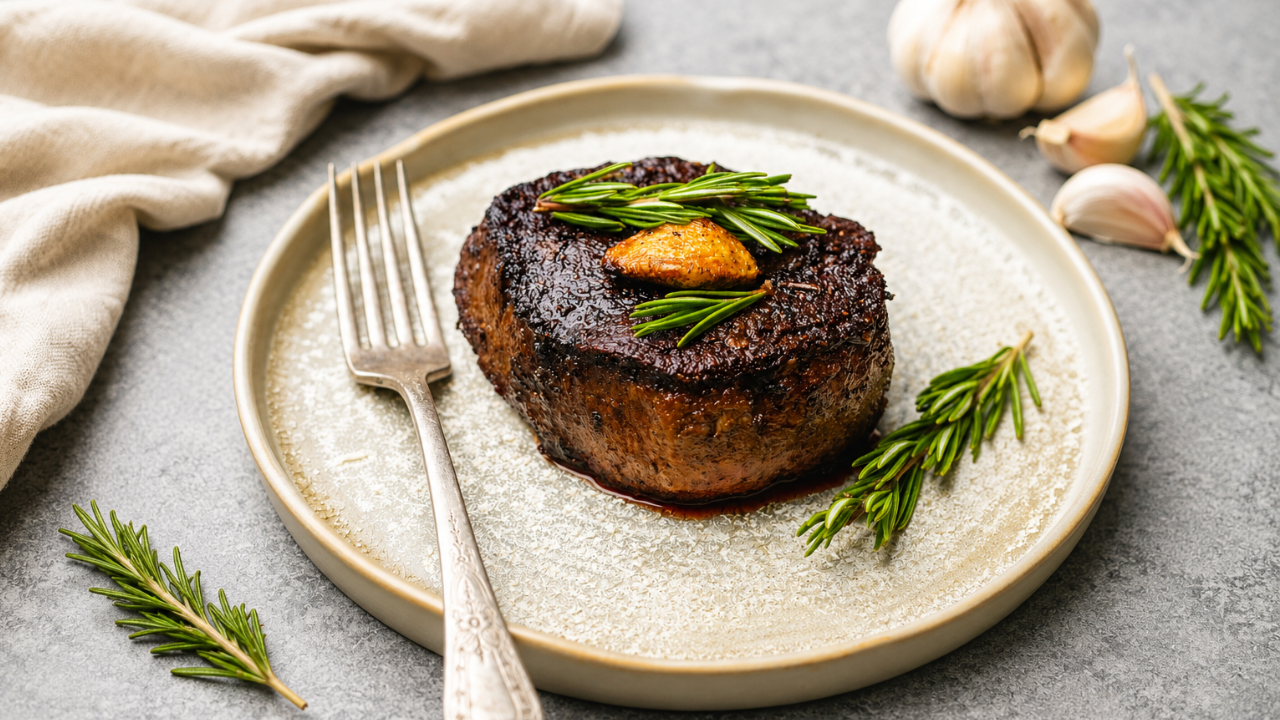
7. Sirloin Steak — Protein-Rich and Flavorful
© unsplash / chad montano
Top sirloin steak is one of the leaner steak cuts while still delivering the rich flavor many people enjoy from beef. It contains high amounts of protein along with nutrients like iron, vitamin B12, and zinc. Compared to fattier steak cuts, sirloin generally provides a more balanced nutritional profile.
Steak portions served in restaurants are often much larger than recommended serving sizes, so moderation remains important. Grilling or broiling sirloin helps preserve texture while limiting excess oils or fats. When paired with vegetables and balanced sides, sirloin can fit into a protein-focused meal plan.
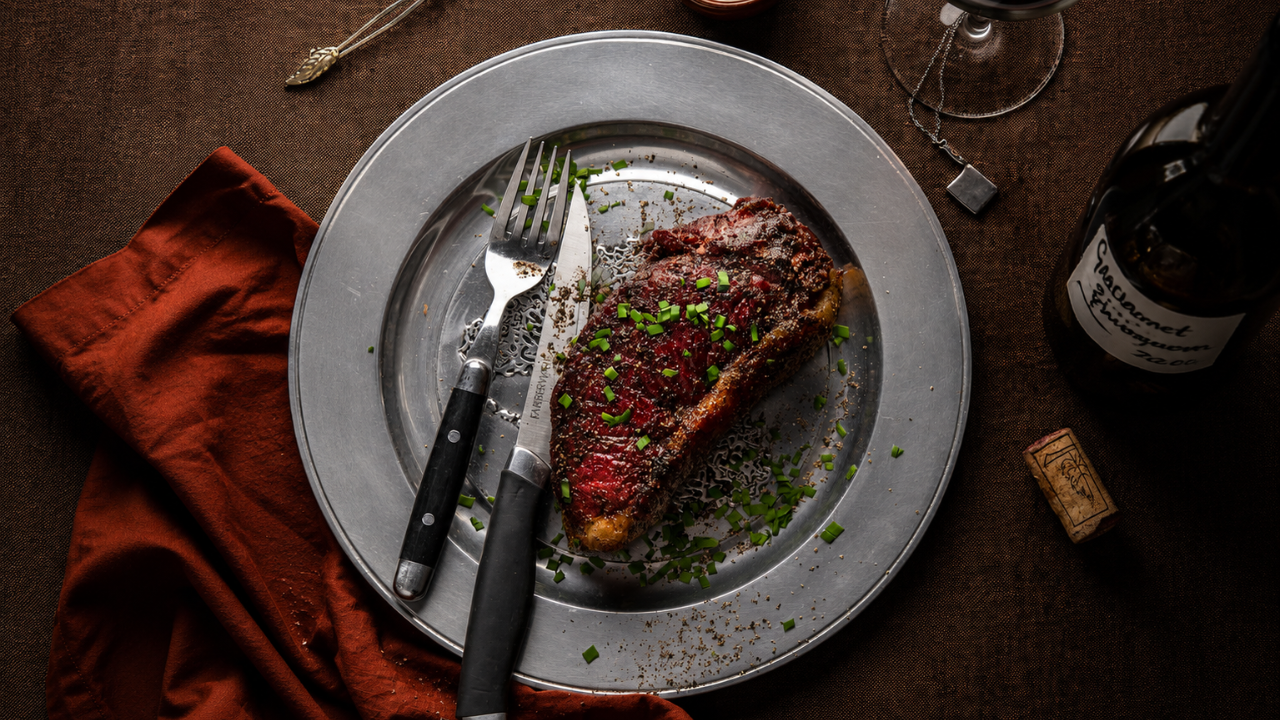
8. Bison — Leaner Alternative to Beef
© Pinterest / Nikki Cuya
Bison has gained popularity as a leaner alternative to traditional beef while still offering a rich, satisfying flavor. It contains less saturated fat than many beef cuts and delivers strong amounts of protein, iron, zinc, and vitamin B12.
Many people describe bison as slightly sweeter and less heavy than conventional beef. Its lean texture works especially well in burgers, meatballs, or grilled dishes. Cooking bison carefully helps prevent dryness since its lower fat content can cause it to cook faster than regular beef.
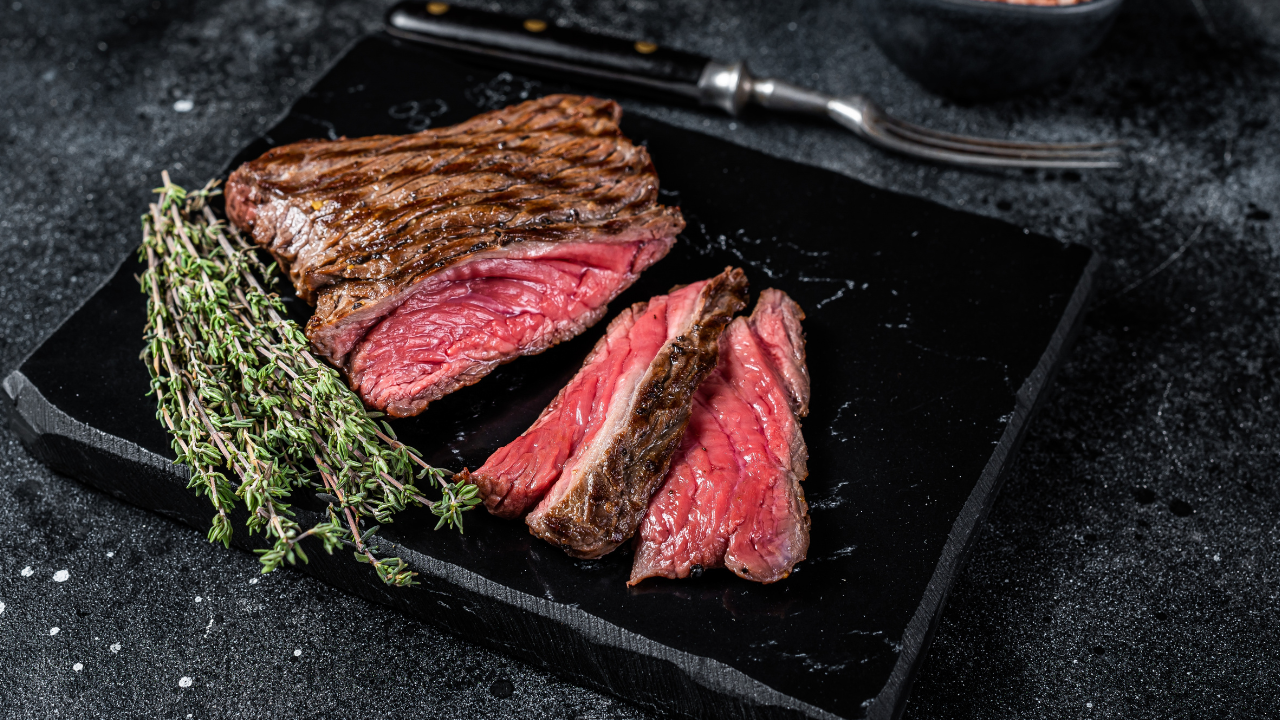
9. Venison is one of the leanest red meats
© shutterstock / Mironov Vladimir
Venison is considered one of the leanest red meats available while still providing high levels of protein. It is especially rich in iron and B vitamins that help support oxygen transport and energy production. Its naturally lean profile makes it appealing for people looking to reduce excess fat while still eating red meat.
Venison has a deeper and slightly earthier flavor than beef, though proper preparation helps keep it tender and flavorful. Roasting, slow cooking, or grilling are common methods that preserve moisture and texture. Its nutritional profile makes it one of the strongest high-protein choices among red meats.
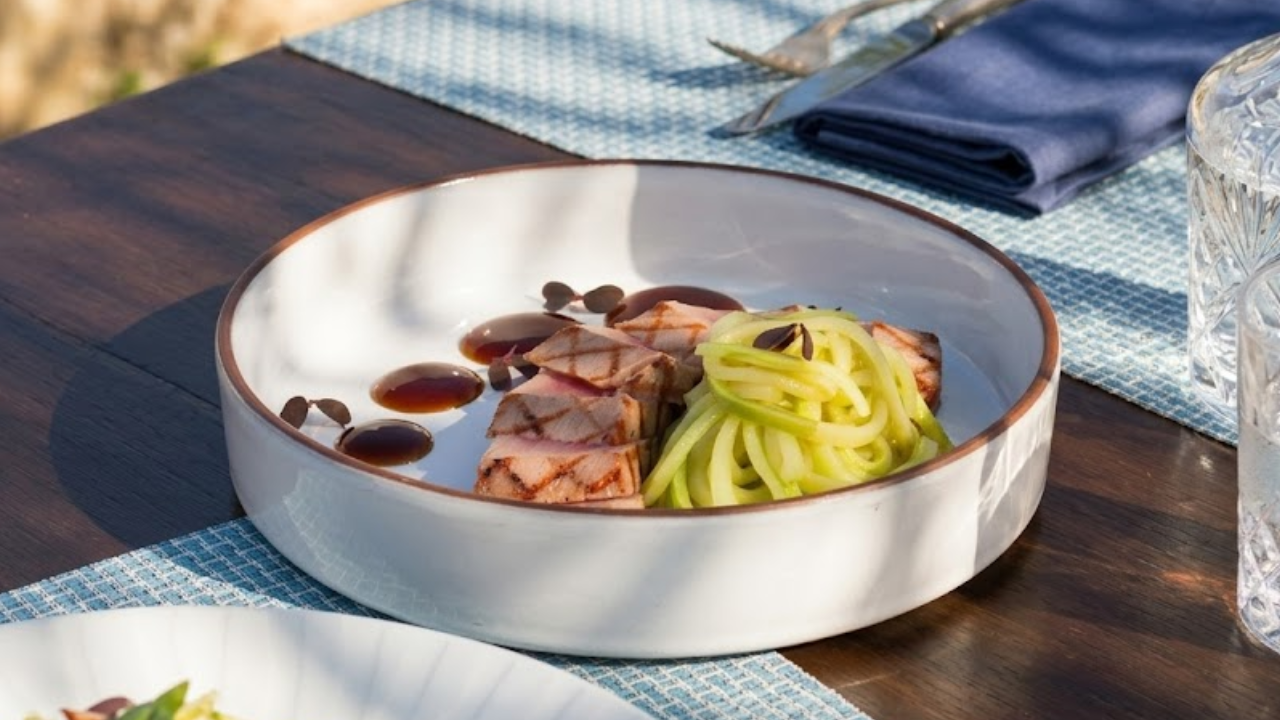
10. Tuna is a high-protein seafood option
© pexels / Nadin Sh
Tuna is widely known for its high protein content and light, versatile texture. A standard serving delivers a large amount of lean protein while remaining relatively low in fat, making it popular for balanced eating plans. Fresh tuna steaks work well grilled or seared, while canned tuna is convenient for salads, sandwiches, wraps, and quick lunches.
In addition to protein, tuna provides nutrients such as selenium, vitamin B12, and omega-3 fatty acids that support overall wellness. Choosing tuna packed in water instead of oil can help reduce unnecessary calories. Its mild flavor and flexibility make it one of the easiest seafood proteins to include in everyday meals.

Comments (0)
No comments yet. Be the first to share your thoughts!