Current Date: 10 June, 2026

10 street foods from around the world with unique ingredients

Street food promises adventure, local flavor, and culinary surprises—but sometimes the experience hits the nose before the taste buds. Open-air grills, bubbling pots, and unidentifiable shapes stacked on sticks invite curiosity, only to inspire a slow, careful step backward. Some smells linger like a prank you didn’t ask for, while textures leave teeth hesitating. Across the globe, edible experiments parade like carnival sideshows, daring anyone with a stomach to join. Here are 12 street foods that many travelers approach with caution, admiration, and sometimes, a polite decline.

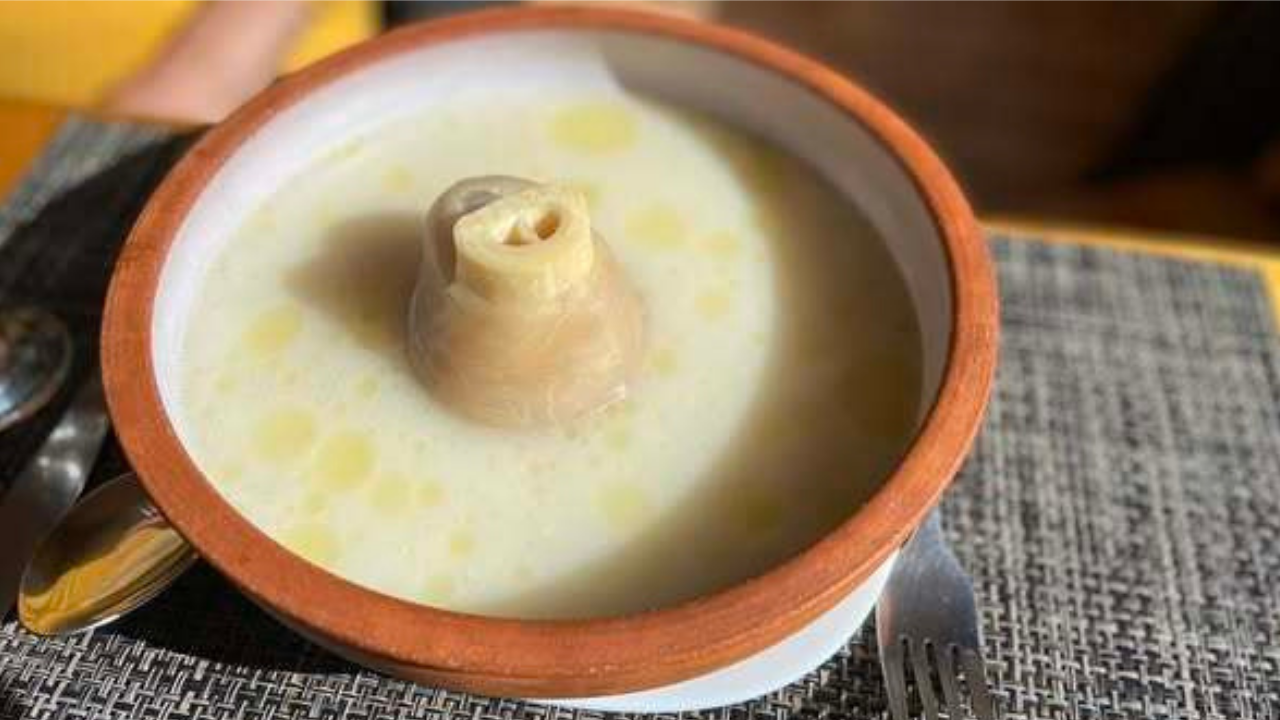
1. Khash — Caucasus/Iran
1. Khash — Caucasus/Iran
© Facebook / Absolute Armenia

Khash is an ancient, hearty soup made by boiling cow or sheep feet and often parts of the head until the broth becomes thick, gelatinous, and rich with collagen. This dish is deeply rooted in Caucasus and Iranian culinary tradition, served especially during cold months or early mornings as a restorative, communal meal. Its aroma is bold and barnyard‑forward, a sensory experience that can shock first‑timers yet comfort those familiar with it. Traditionally eaten with garlic, lemon, bread, and sometimes vodka, khash is more about ritual and warmth than refined flavor. Locals view it as a winter staple and hangover cure, but for many travelers it remains an acquired taste

2. Balut — Philippines

2. Balut — Philippines
© Martha Stewart

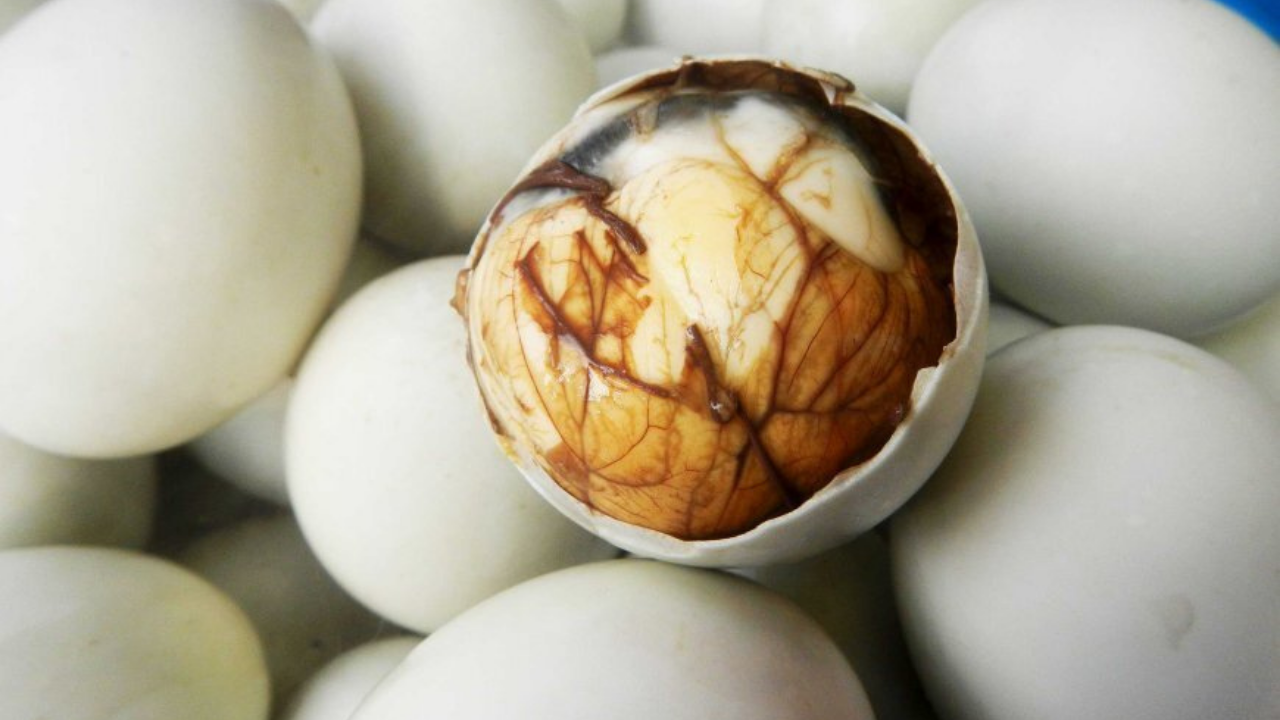
Balut is a fertilized duck egg containing a nearly formed embryo, complete with soft bones and tiny feathers. The flavor itself is rich and savory, but the visual is enough to make most travelers hesitate. Considered a delicacy by locals, it’s often approached with wide-eyed curiosity and cautious anticipation. Many first-timers opt for a tentative bite, savoring it more as a cultural experience than a culinary pleasure.

3. Stinky Tofu — Taiwan

3. Stinky Tofu — Taiwan
© Reddit / Jackthefungi

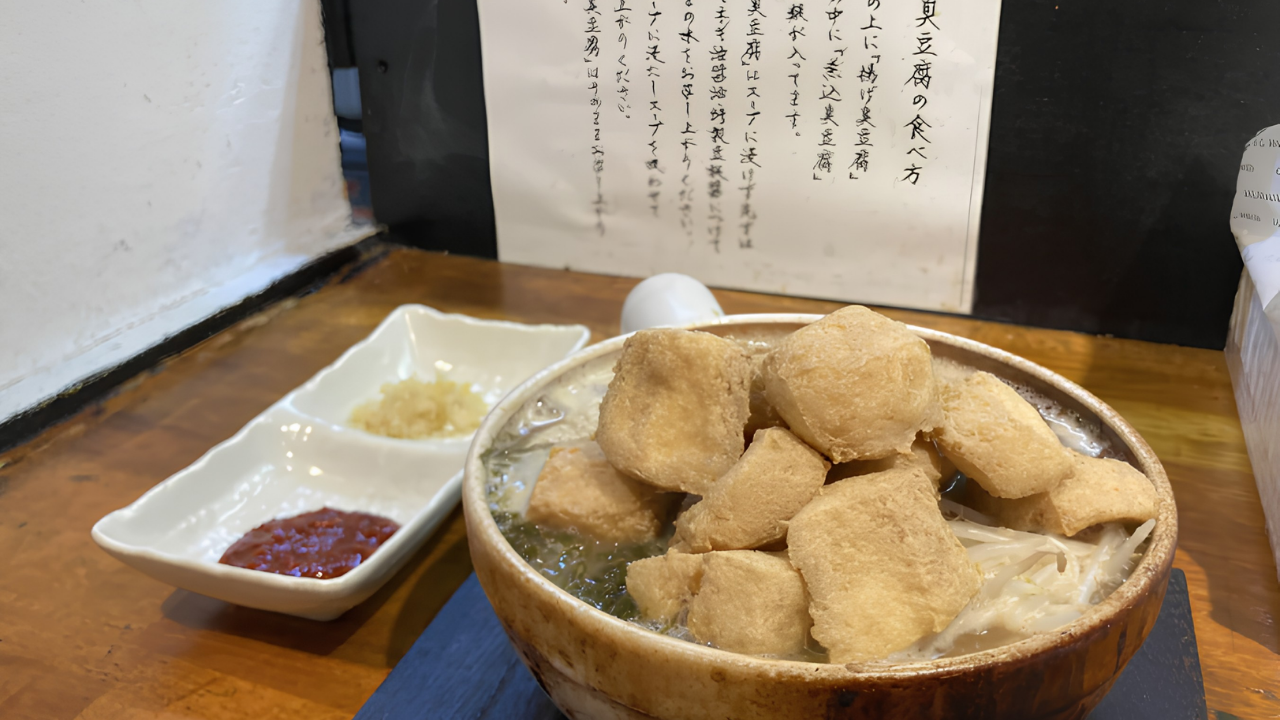
Tofu fermented in milk and rotting vegetables produces a powerful aroma that can be detected from several blocks away. Deep-fried until crispy on the outside, it’s beloved by locals for its bold, pungent flavor. First-time visitors, however, often struggle to take more than a bite without hesitation. The combination of smell, texture, and taste creates a memorable street food experience that is definitely not for the faint of heart.

4. Sannakji — South Korea

4. Sannakji — South Korea
© Martha Stewart

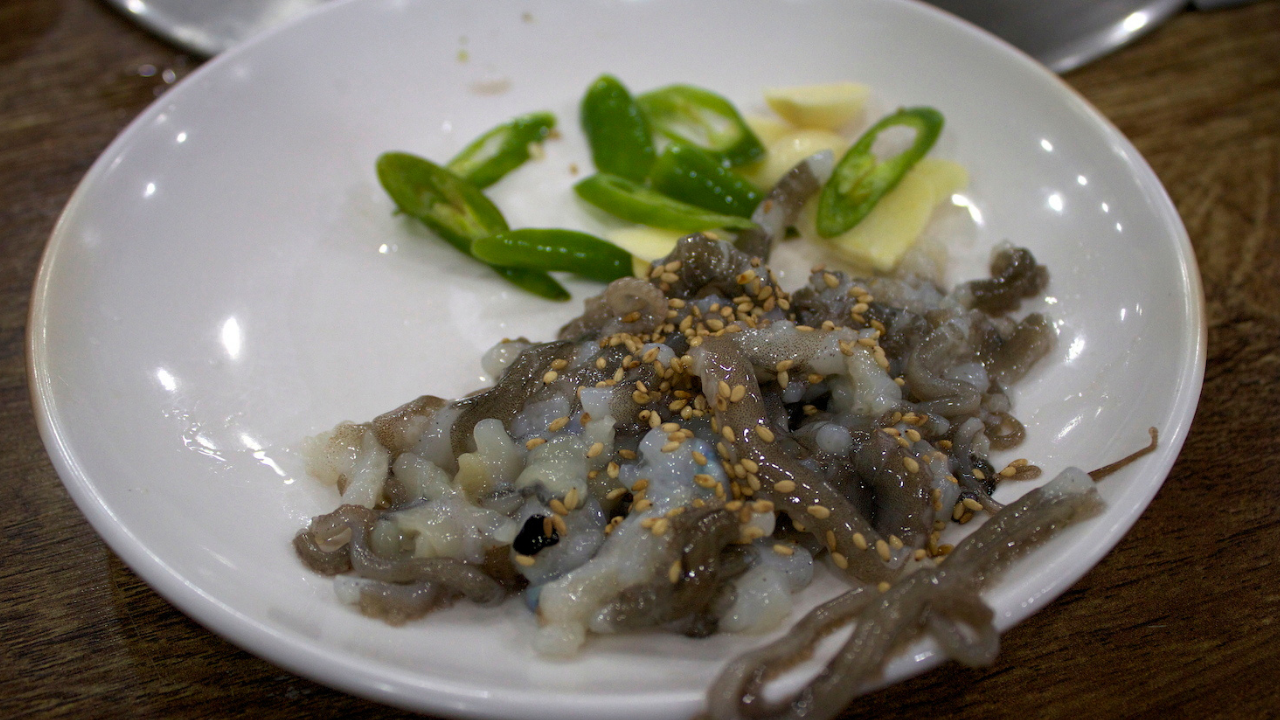
Live octopus tentacles squirm on the plate, clinging to chopsticks and occasionally to the diner’s mouth with their suction cups. The texture is slippery and springy, making careful chewing a necessity. Adventurous eaters may enjoy the freshness and novelty, but for many travelers, it’s intimidating. This dish tests both nerves and coordination while offering a truly unforgettable street food challenge.

5. Hákarl — Iceland

5. Hákarl — Iceland
© Martha Stewart

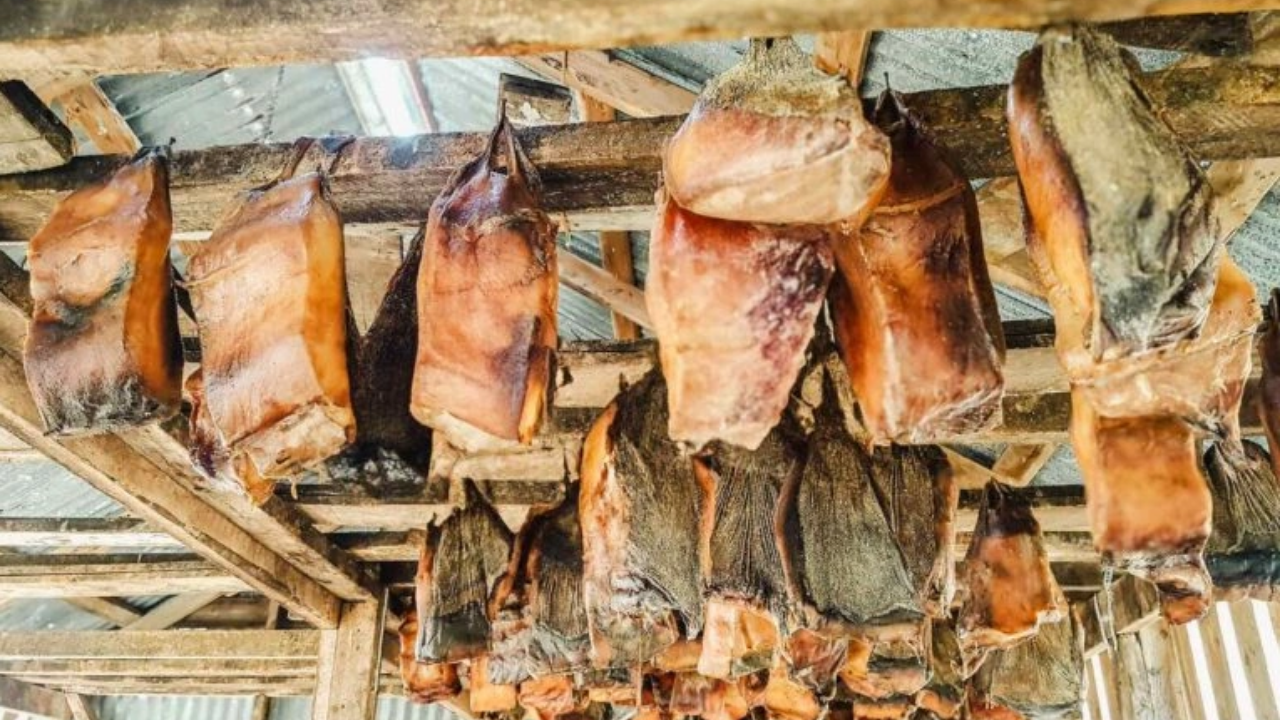
Fermented shark aged in wooden sheds for months produces a pungent, ammonia-like odor that hits before the taste even arrives. Hákarl is known as one of the world’s most challenging foods, prized by locals for its cultural significance. Travelers are often hesitant to try it due to the intense smell and acquired flavor. Even those who attempt it usually start with tiny bites, approaching it more as a daring tradition than a delicacy.

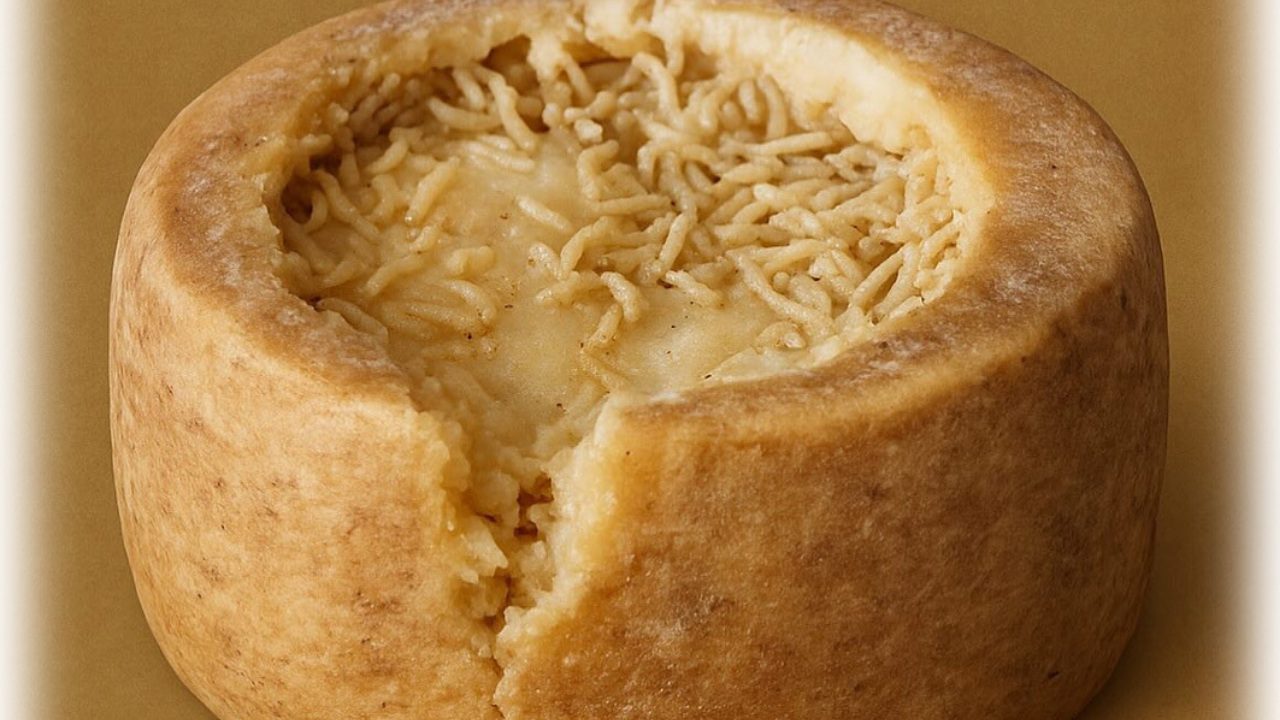
6. Casu Marzu — Italy

6. Casu Marzu — Italy
© Martha Stewart

Casu Marzu is a Sardinian sheep milk cheese deliberately infested with live larvae that wriggle when disturbed. Its intense appearance and strong flavor make it both a cultural curiosity and a challenge for timid travelers. Locals celebrate it as a traditional delicacy, but outsiders often find the dish unsettling. Many approach it carefully, eyes wide, aware that the experience is as much about spectacle as taste.

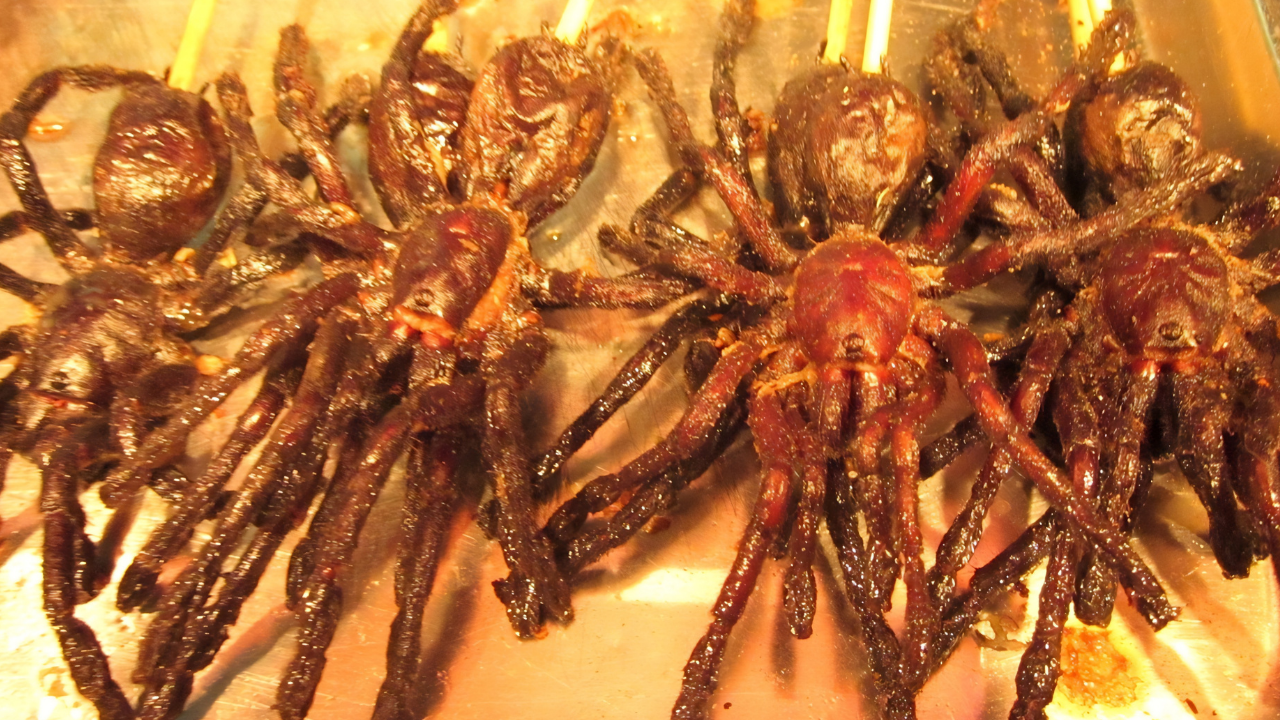
7. Fried Tarantula — Cambodia

7. Fried Tarantula — Cambodia
© Pinterest / Teresa Yung

Hand-sized spiders fried until crispy, with pasty abdomens and crunchy legs, are considered a delicacy by locals. The idea of consuming a whole spider is intimidating for most visitors, even if the taste is surprisingly nutty and crunchy. Travelers often take tentative bites, marveling at the texture and daring presentation. It’s a street snack that combines fear, fascination, and cultural curiosity in one bold package.

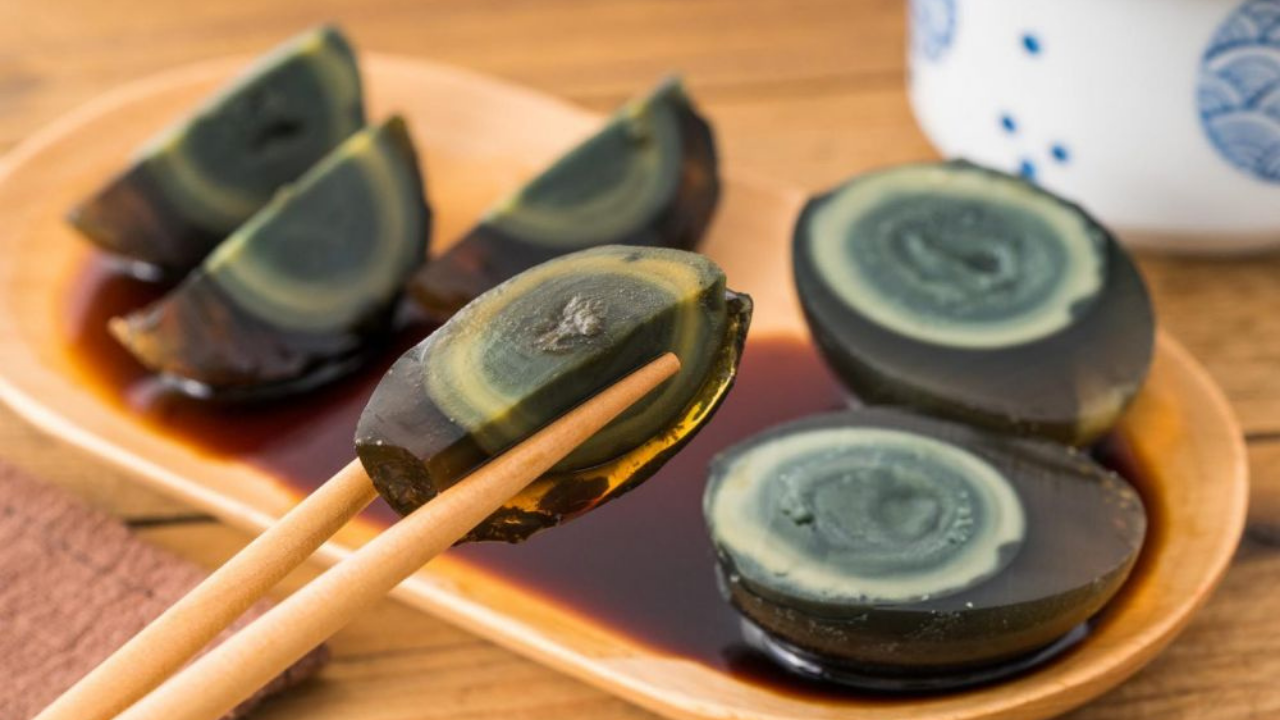
8. Century Egg — China

8. Century Egg — China
© Pinterest / roughguides.com

Eggs preserved in clay and ash transform the whites into black gelatin and the yolks into a dark green. Sulfurous aromas greet first-time tasters, while the unusual texture challenges conventional expectations. Despite being mild in flavor, the dish divides opinions sharply. Visitors often approach it cautiously, curious about its heritage but wary of the intense sensory experience.

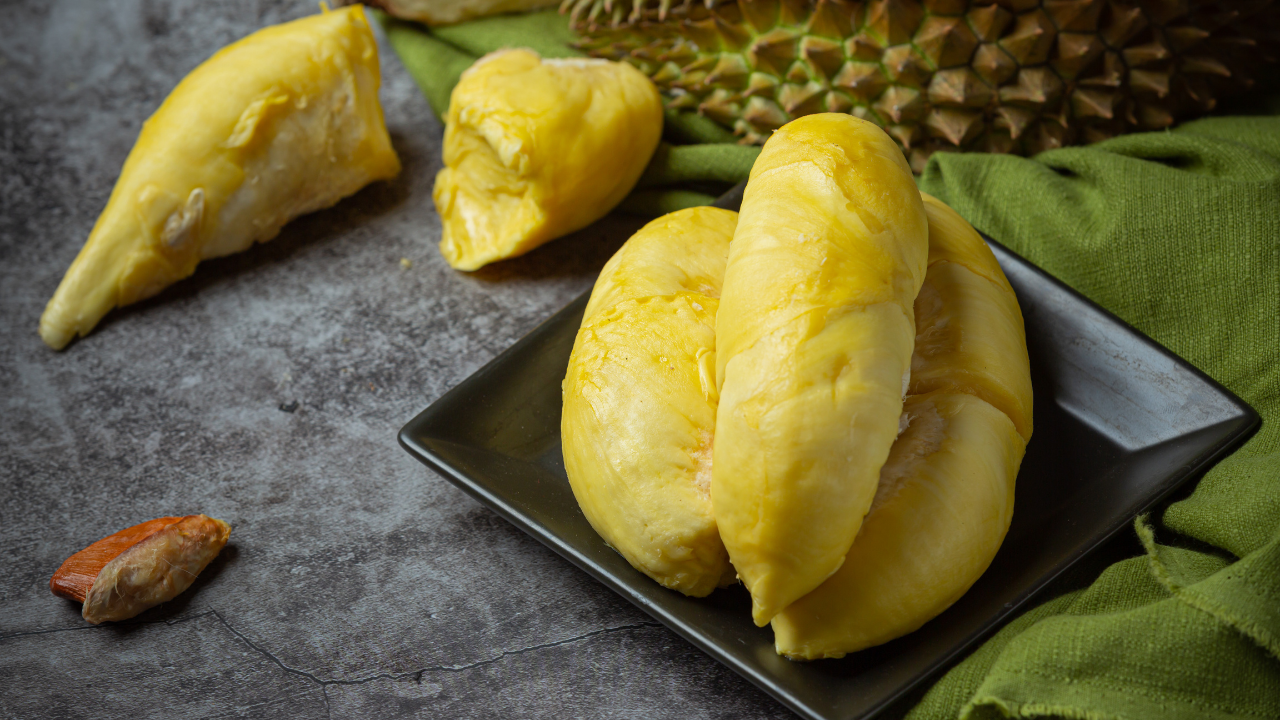
9. Durian — Southeast Asia

9. Durian — Southeast Asia
© Magnific / jcomp

Durian, known as the “king of fruits,” is creamy and sweet but emits a notoriously pungent odor reminiscent of rotting onions and sweaty socks. Many hotels ban it indoors due to the intensity of the smell. While locals adore the taste, first-time visitors are often deterred by the aroma alone. It’s a fruit that requires courage and curiosity to appreciate fully.

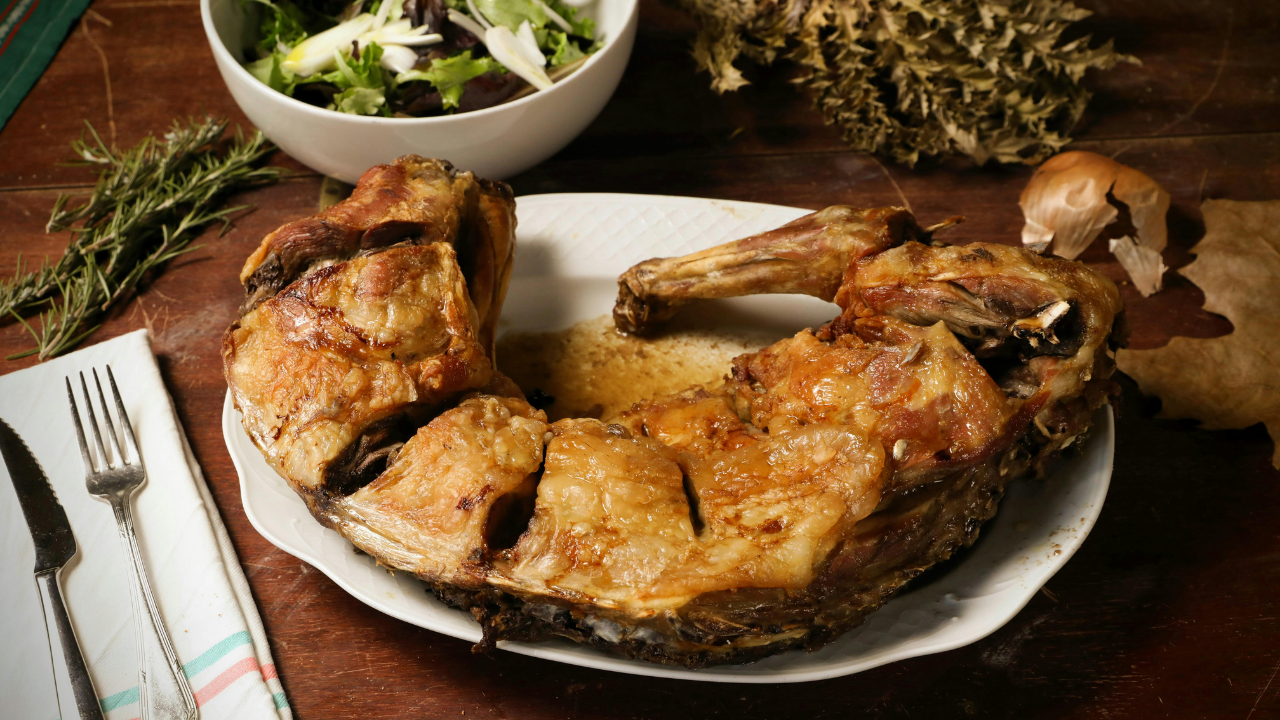
10. Roasted Guinea Pig — Ecuador / Peru
10. Roasted Guinea Pig — Ecuador / Peru
© Pexels / José Antonio Otegui Auzmendi

A whole guinea pig served with head, claws, and teeth intact stares back at the diner, creating an intimidating presentation. Considered a delicacy in the Andes, it requires bravery from first-time visitors. The flavor is rich and satisfying, but most tourists find the visual challenge enough to pause. It’s a dish that offers both a cultural and daring culinary experience.

Comments (0)

No comments yet. Be the first to share your thoughts!

Leave a Reply