
Your kitchen offers many ways to improve everyday meals with small, practical changes. Simple ingredient swaps and cooking choices can help make dishes more balanced, flavorful, and satisfying without adding unnecessary fats, sugar, or processed ingredients. These changes are not about restriction but about improving taste, texture, and variety in a natural way. From using herbs and spices to choosing alternative ingredients, each adjustment can make meals feel more enjoyable while still keeping them simple to prepare. Over time, these small habits can make a noticeable difference in both flavor and overall cooking experience.
1. Use nuts instead of croutons
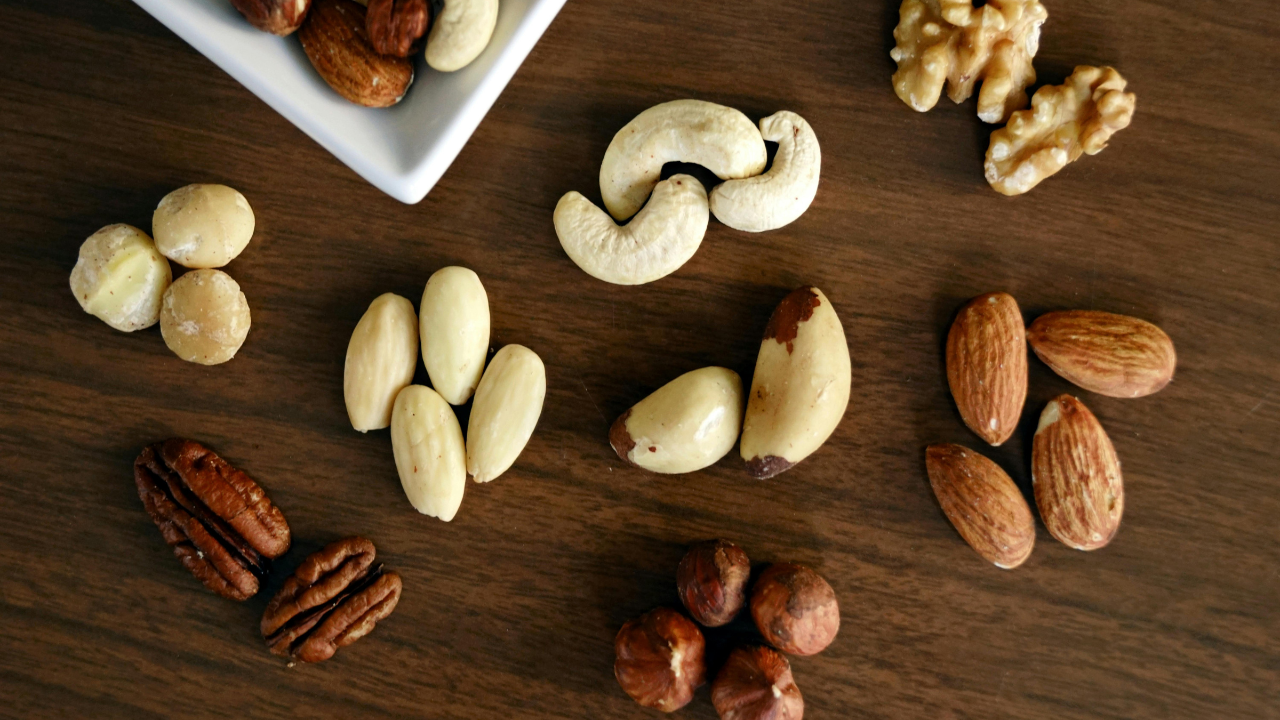
Nuts can add a satisfying crunch while also providing more flavor and nutrients than traditional croutons. Options like almonds, walnuts, and pecans pair well with many types of salads. Lightly toasting them helps bring out their natural flavor. They also add healthy fats and protein, which can make lighter meals more filling. This simple swap improves both texture and overall balance without relying on processed ingredients.
2. Use fresh herbs instead of extra salt
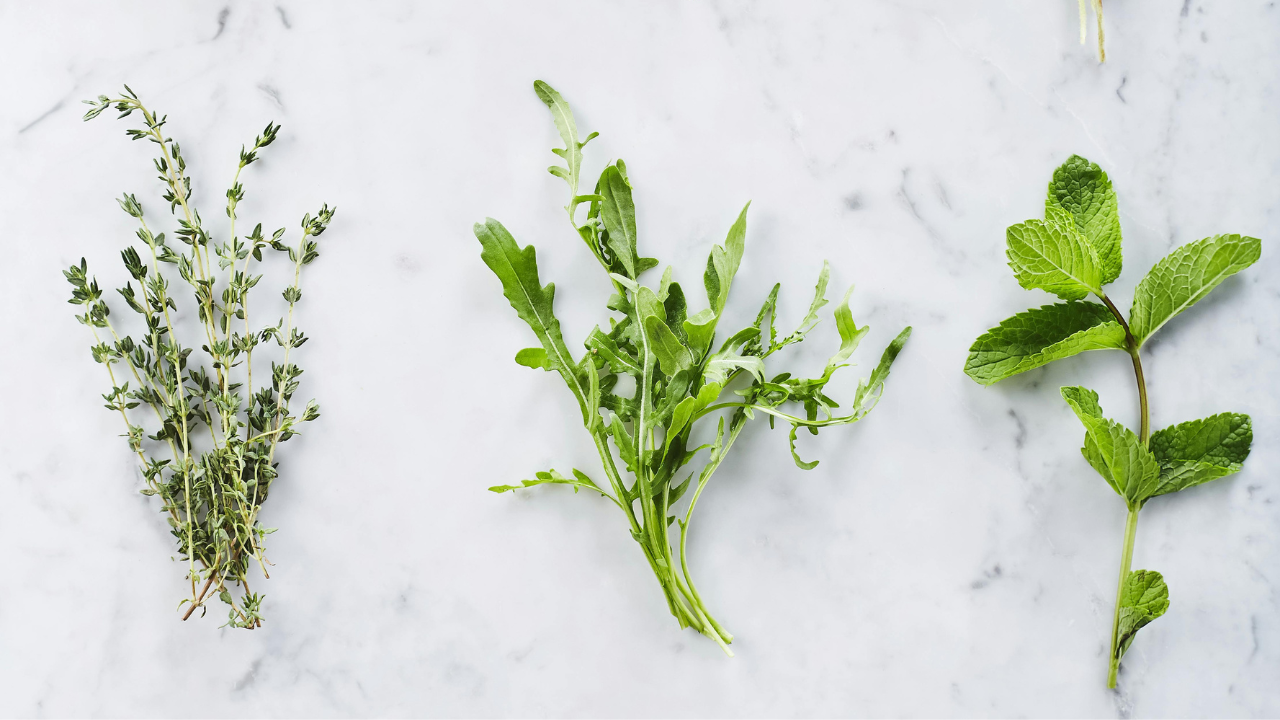
Fresh herbs can enhance flavor without increasing sodium. Ingredients like basil, parsley, cilantro, mint, and dill add brightness and freshness to a variety of dishes. Adding herbs at different stages of cooking can create depth, while finishing a dish with fresh herbs helps preserve their natural flavor. This approach makes meals more vibrant without depending heavily on salt.
3. Use cinnamon instead of added sugar
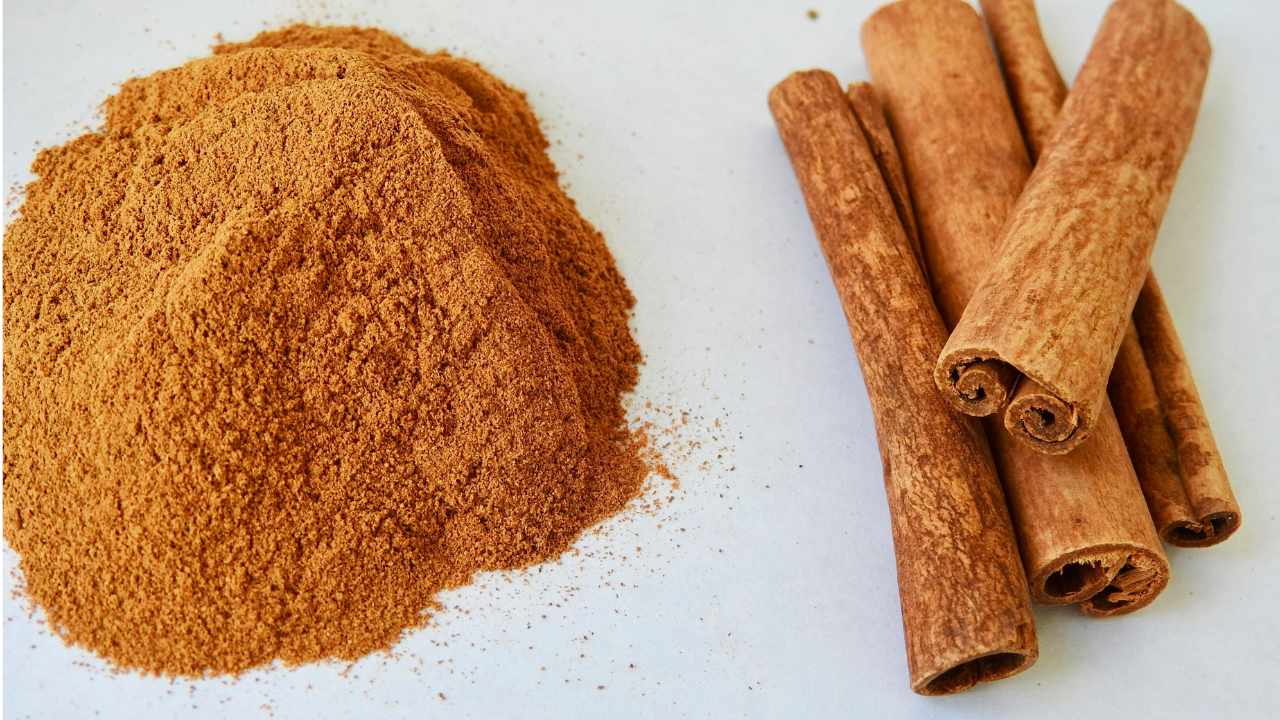
Cinnamon can provide a sense of natural sweetness while adding warmth and depth to dishes. It works well in foods like oatmeal, yogurt, baked goods, and even some savory recipes. Using small amounts can help reduce the need for refined sugar while still keeping flavors balanced. It also pairs well with fruits and roasted vegetables.
4. Choose sparkling water instead of soda

Sparkling water offers a refreshing alternative to sugary drinks. It provides the same light fizz without added sugars or artificial ingredients. Adding fresh fruit, citrus slices, or herbs like mint can enhance the flavor. Over time, this swap can help you appreciate the natural taste of foods without relying on overly sweet beverages.
5. Bake chips instead of frying them
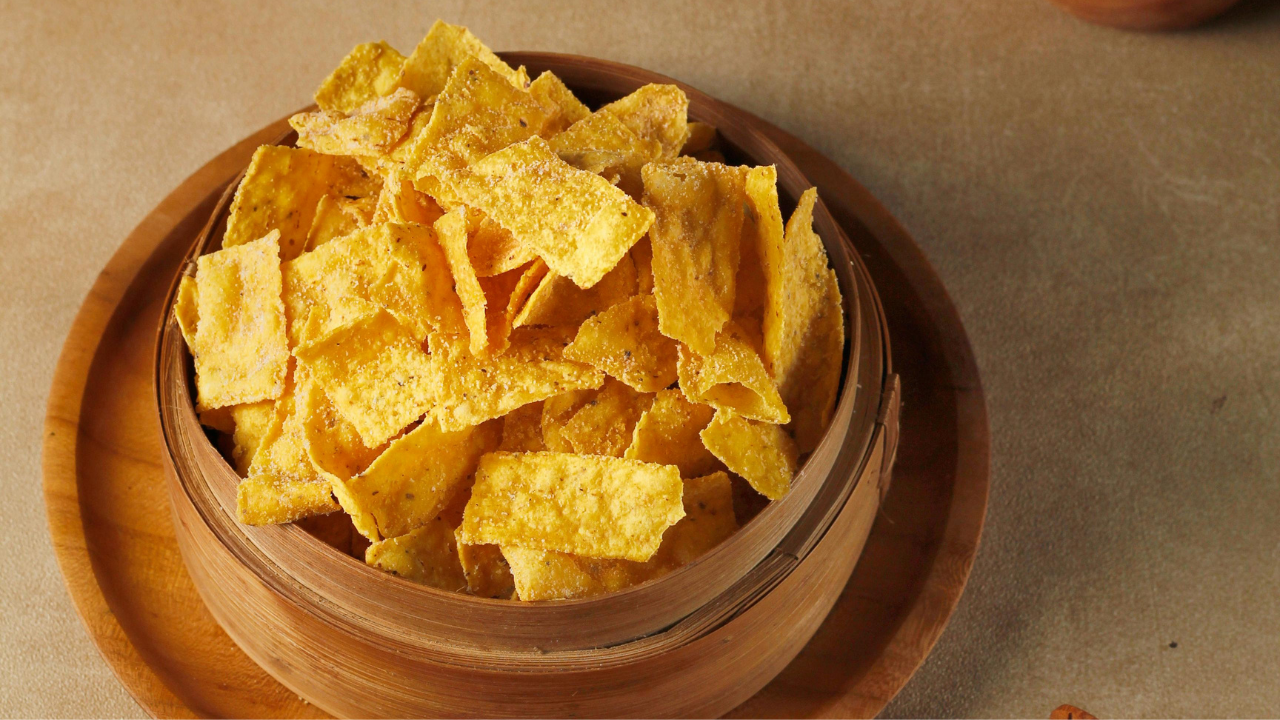
Baking thin slices of potatoes or vegetables can create a crisp texture without the need for deep frying. Using a small amount of oil and spreading slices evenly helps them cook more evenly. This method also allows for more control over ingredients and seasoning. Vegetables like sweet potatoes, beets, and kale work especially well.
6. Use lettuce wraps instead of bread
Lettuce leaves can replace bread in wraps and sandwiches for a lighter option. Varieties like romaine or butter lettuce hold fillings well and add a fresh crunch. This swap works with many fillings, including proteins, vegetables, and spreads. It also adds hydration and keeps meals feeling less heavy.
7. Use avocado instead of mayonnaise
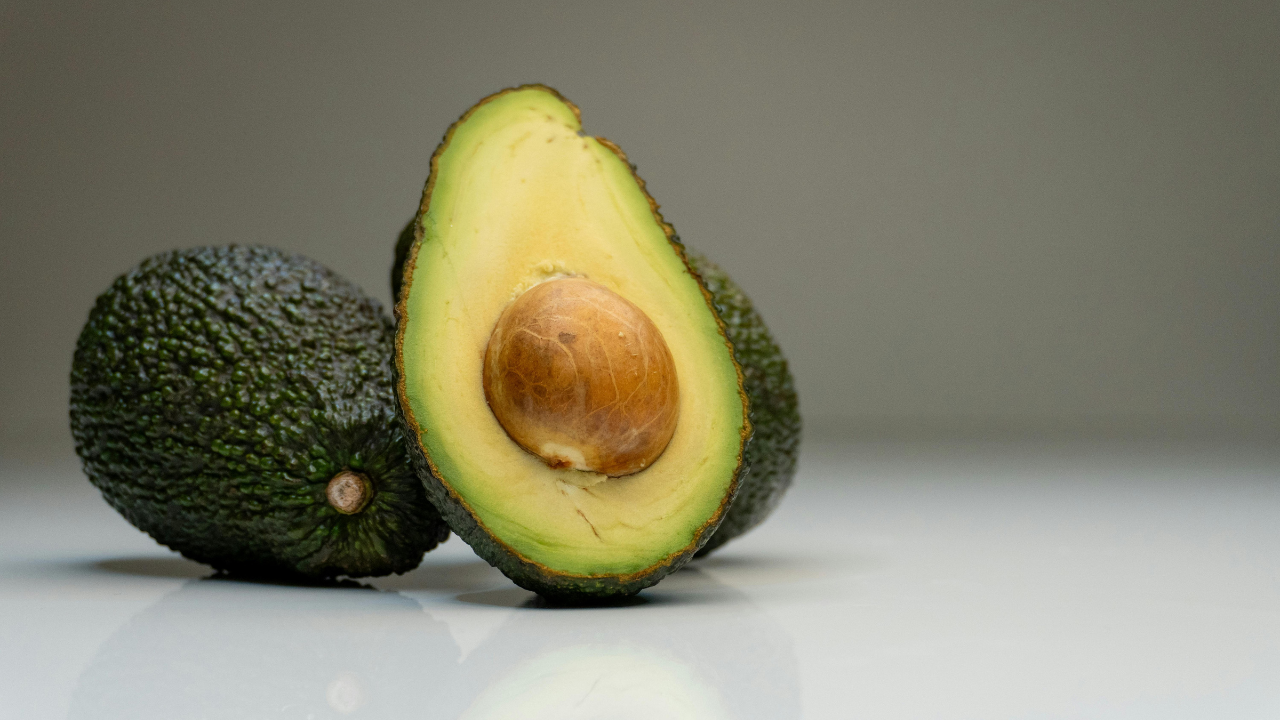
Mashed avocado can provide a creamy texture similar to mayonnaise while offering a different nutritional profile. It works well in sandwiches, wraps, and salads. Adding a small amount of lemon or lime juice helps maintain freshness and balance the flavor. This option also pairs well with a variety of seasonings.
8. Use almond flour instead of white flour
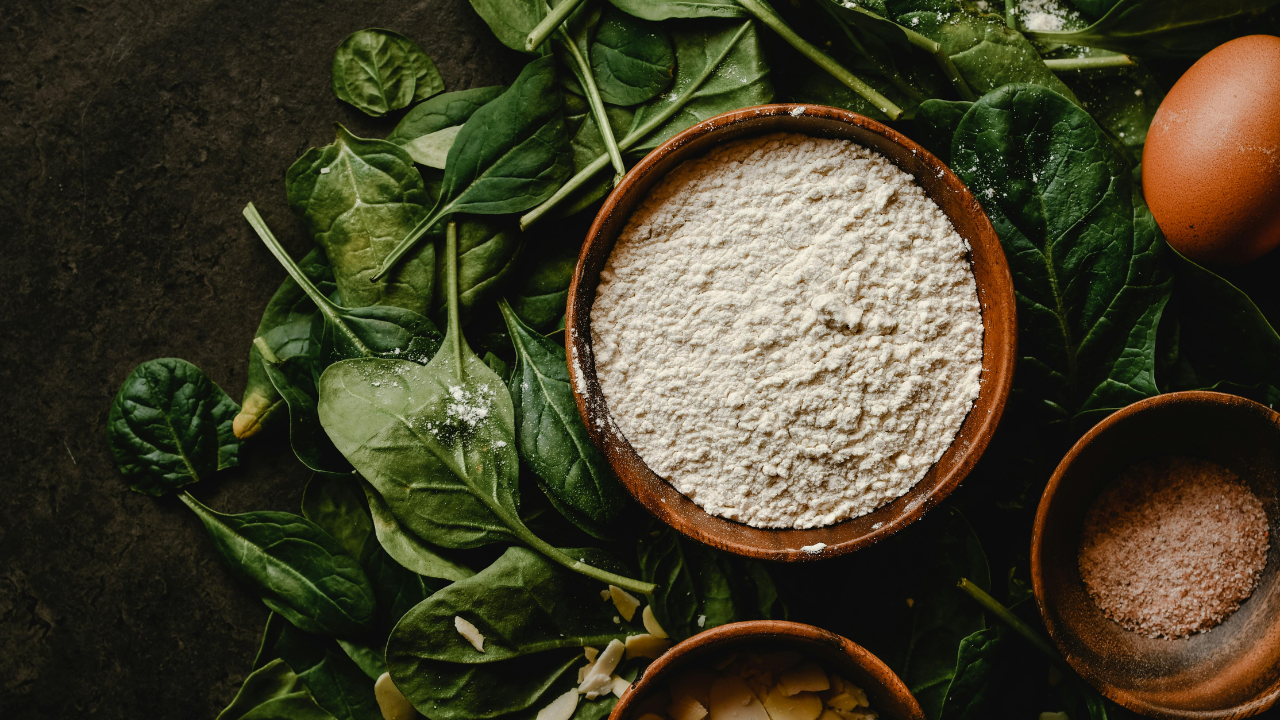
Almond flour can be used in baking and cooking as an alternative to refined flour. It has a slightly nutty flavor and works well in recipes like pancakes, muffins, and coatings for proteins. It may require slight adjustments in quantity, but it can add variety and texture to familiar recipes.
9. Choose lean proteins such as ground turkey

Ground turkey can be used in place of higher-fat options like ground beef in many recipes. It works well in dishes such as tacos, pasta sauces, and meatballs. With proper seasoning and cooking, it can absorb flavors easily and create a lighter result without reducing taste.
10. Use honey instead of refined sugar

Honey can add sweetness along with a more complex flavor compared to white sugar. It works well in baked goods, dressings, and marinades. Because it is naturally sweeter, smaller amounts are often enough. Adjusting liquid ingredients slightly can help maintain the right texture in recipes.
11. Use applesauce instead of oil in baking
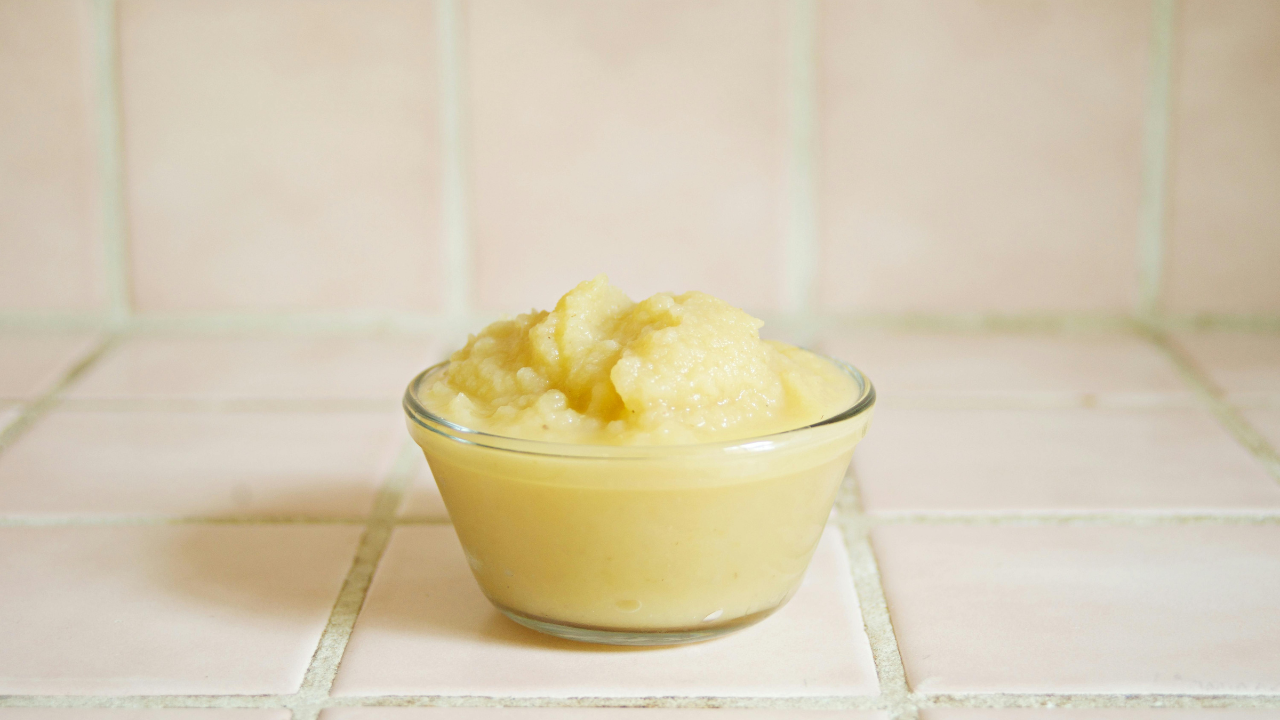
Unsweetened applesauce can replace some or all of the oil in baked goods like muffins and cakes. It helps maintain moisture while reducing the need for added fats. This substitution works best in recipes where a soft texture is preferred. It can also add a mild natural sweetness.
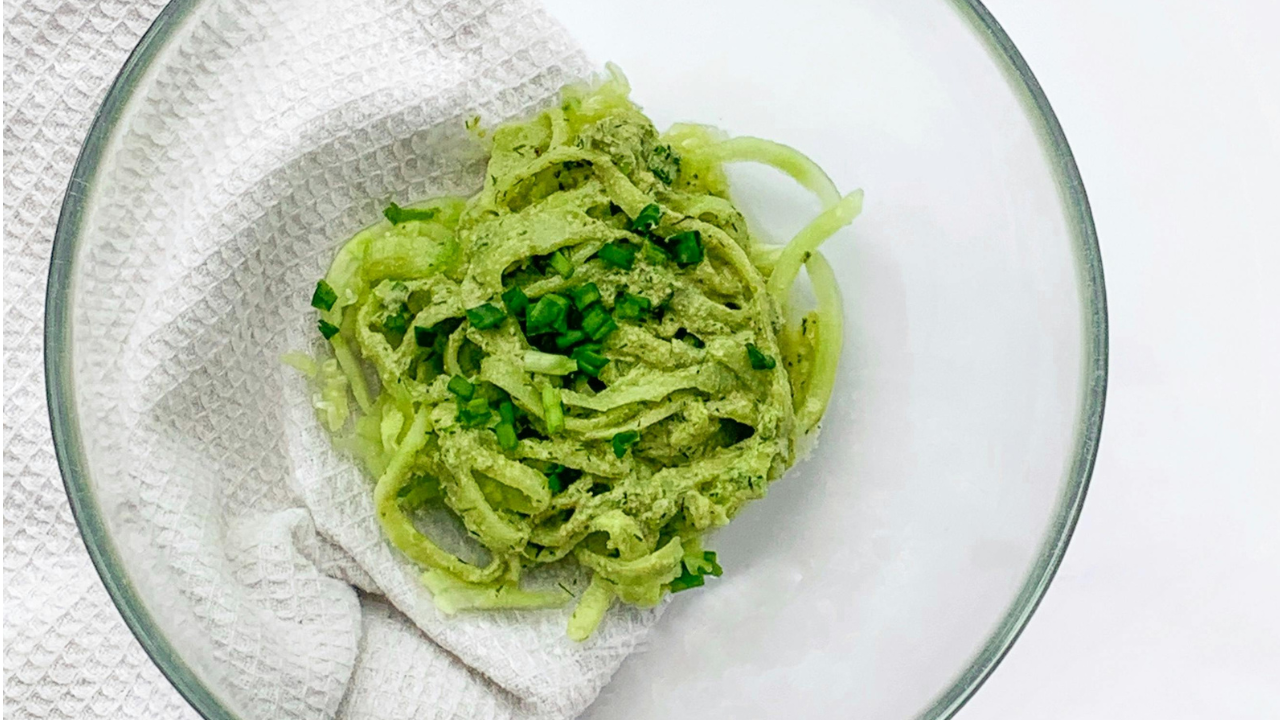
12. Use zucchini noodles instead of pasta

Zucchini can be spiralized or sliced into thin strips to create a lighter alternative to pasta. It cooks quickly and pairs well with a variety of sauces. Avoid overcooking to maintain texture. This option can help add more vegetables to meals without changing the overall style of the dish.
13. Use cauliflower rice instead of white rice
Cauliflower can be finely chopped or processed into small pieces that resemble rice. It cooks quickly and absorbs flavors well. This option works in stir-fries, bowls, and side dishes. It also adds variety and can complement many types of cuisine.
14. Use Greek yogurt instead of sour cream

Greek yogurt can replace sour cream while offering a similar tangy flavor and creamy texture. It works well as a topping for baked potatoes, tacos, and soups. It can also be mixed into sauces, marinades, and dressings. Its thickness makes it a versatile ingredient for both savory dishes and baking.
Comments (0)
No comments yet. Be the first to share your thoughts!