Traveling for food can be thrilling, but some iconic dishes don’t always live up to the hype. From fermented seafood to bold cheeses and unusual eggs, these foods are beloved locally yet leave many visitors hesitant. If you’re planning a foodie adventure, here are 17 famous dishes that might surprise your palate.
1. Haggis — Scotland
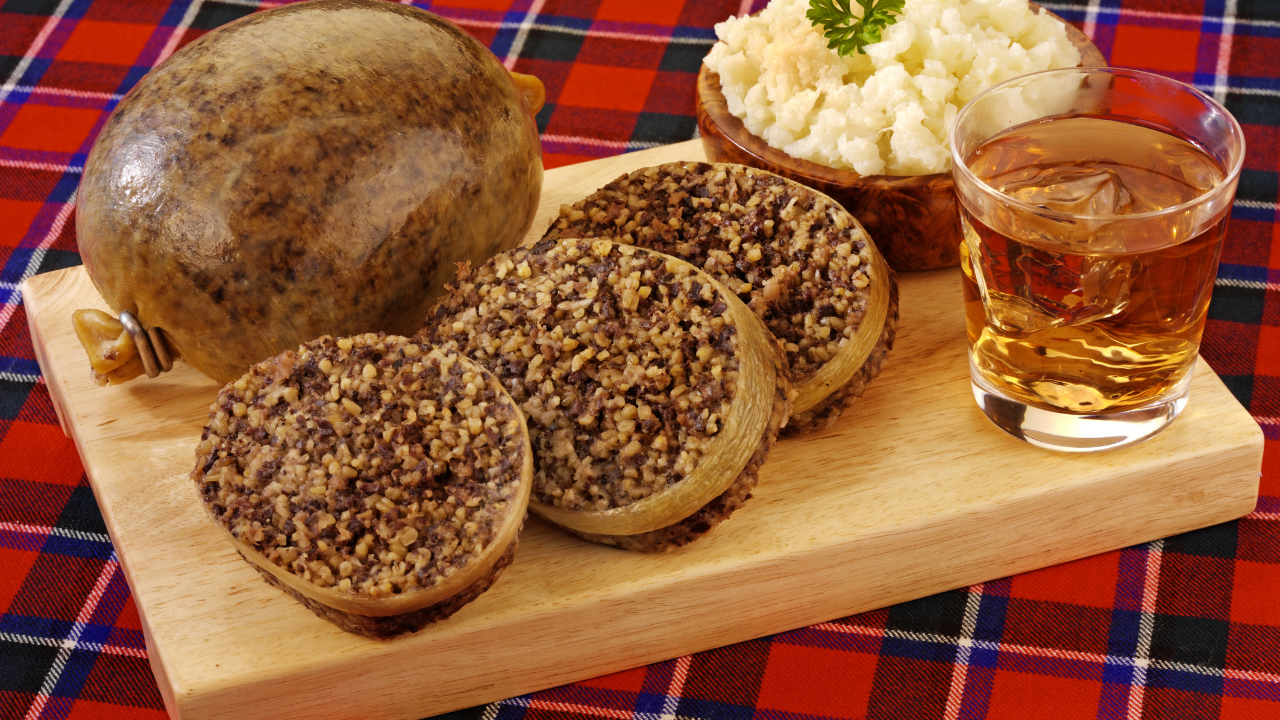
A traditional Scottish dish made with sheep heart, liver, and lungs mixed with oats and spices. The flavor is rich and savory, but the unusual ingredients often intimidate first-time tasters. It’s a bold choice that challenges even adventurous eaters. Many tourists hesitate before taking their first bite.
Degree of Difficulty: Medium
Core Techniques: Boiling, stuffing, seasoning
Key Equipment: Pot, mixing bowl, stomach casing
Beginner-Friendly Variations to Try: Use lamb offal only, serve with mashed potatoes
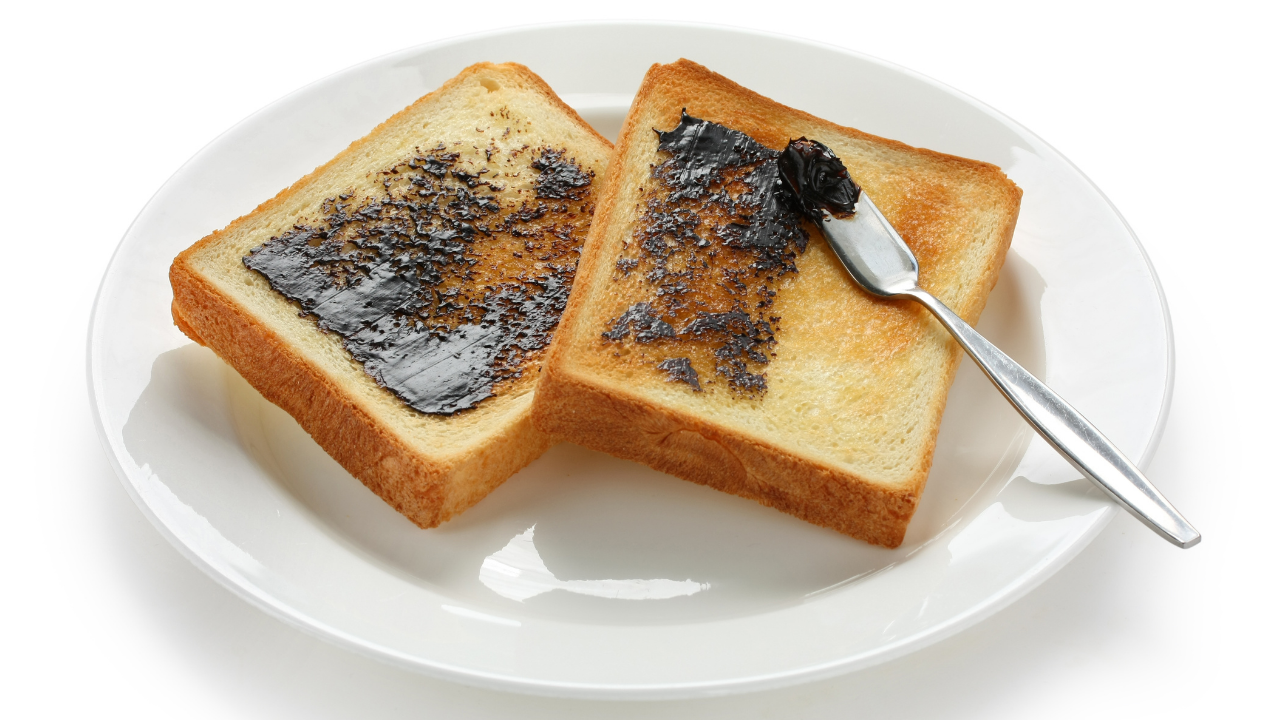
2. Vegemite — Australia
A dark, salty spread adored in Australia, Vegemite can shock newcomers with its strong, bitter taste. A thin layer on buttered toast balances the flavor, but most travelers discover too much is overwhelming. It’s a dish that tests the palate quickly. First-time tasters are often surprised.
Degree of Difficulty: Easy
Core Techniques: Spreading, layering
Key Equipment: Knife, plate
Beginner-Friendly Variations to Try: Mix with butter or avocado for milder taste
3. Lutefisk — Norway
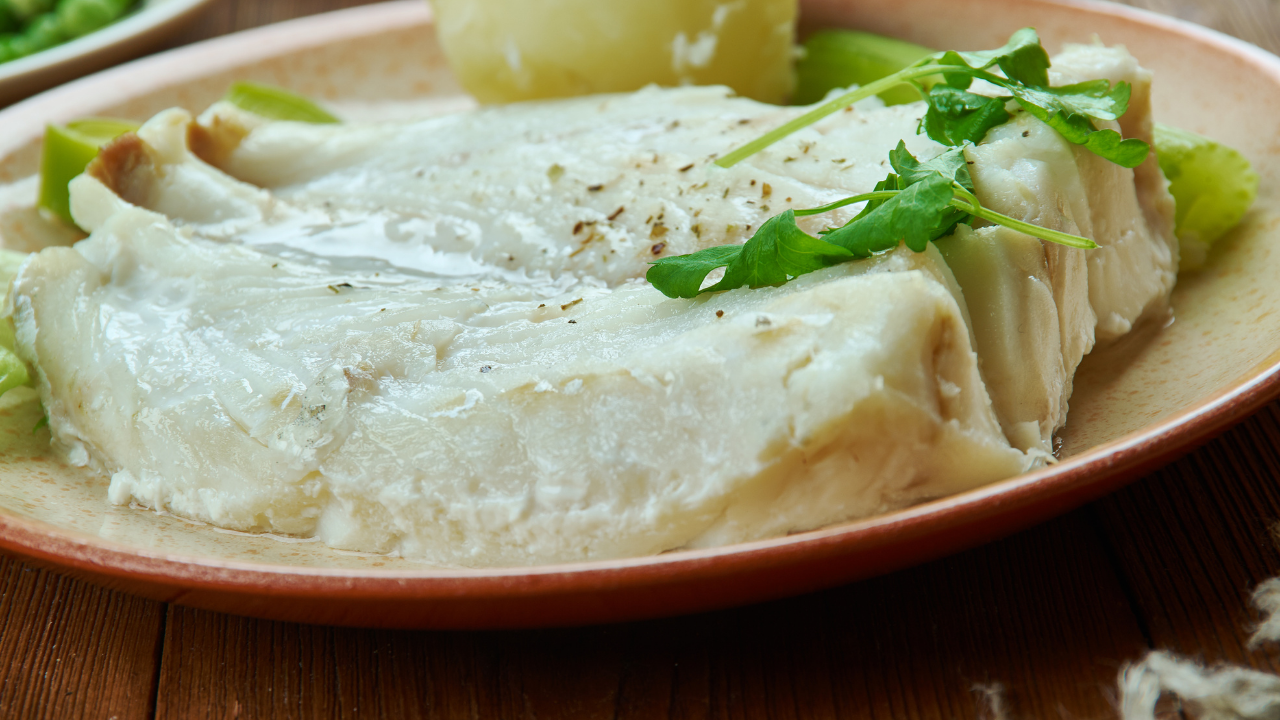
Dried whitefish soaked in lye until jelly-like, Lutefisk is more about tradition than taste. Even some Norwegians admit the texture is unusual. Many visitors struggle to appreciate it on first attempt. The dish is a challenge for the uninitiated.
Degree of Difficulty: Hard
Core Techniques: Soaking, boiling, seasoning
Key Equipment: Bowl, pot, spatula
Beginner-Friendly Variations to Try: Pair with butter or creamy sauce
4. Century Egg — China
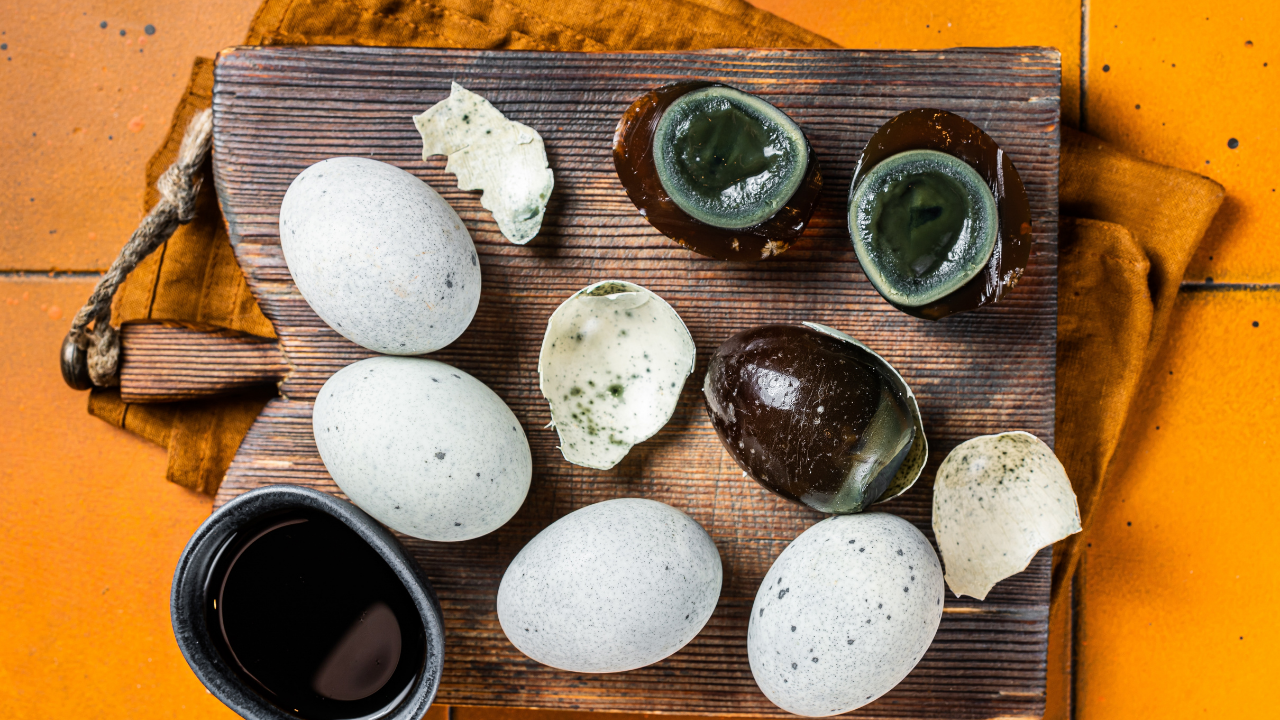
Duck eggs preserved in clay and ash turn the yolk dark green and the whites translucent. The ammonia-like aroma is strong, and the gelatinous texture surprises most first-time tasters. The dish is more about tradition than casual enjoyment. Many travelers approach cautiously.
Degree of Difficulty: Medium
Core Techniques: Preserving, peeling
Key Equipment: Clay or ash containers, knife
Beginner-Friendly Variations to Try: Serve with rice congee or pickled vegetables
5. Hákarl — Iceland
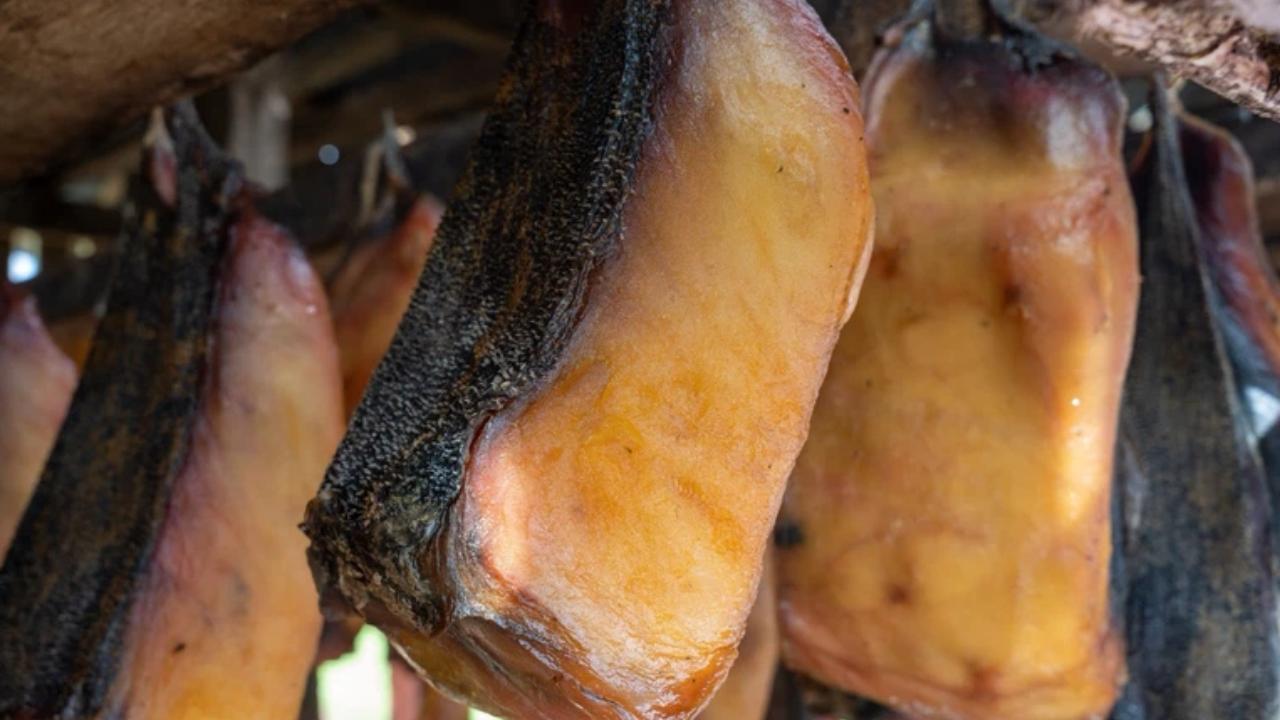
Fermented shark aged for weeks produces a pungent ammonia-like scent. While culturally significant, the taste challenges even adventurous eaters. Visitors often take tiny bites first. Small portions are recommended for newcomers.
Degree of Difficulty: Hard
Core Techniques: Fermentation, curing, slicing
Key Equipment: Fermentation box, knife
Beginner-Friendly Variations to Try: Sample tiny portions, pair with local spirits
6. Surströmming — Sweden
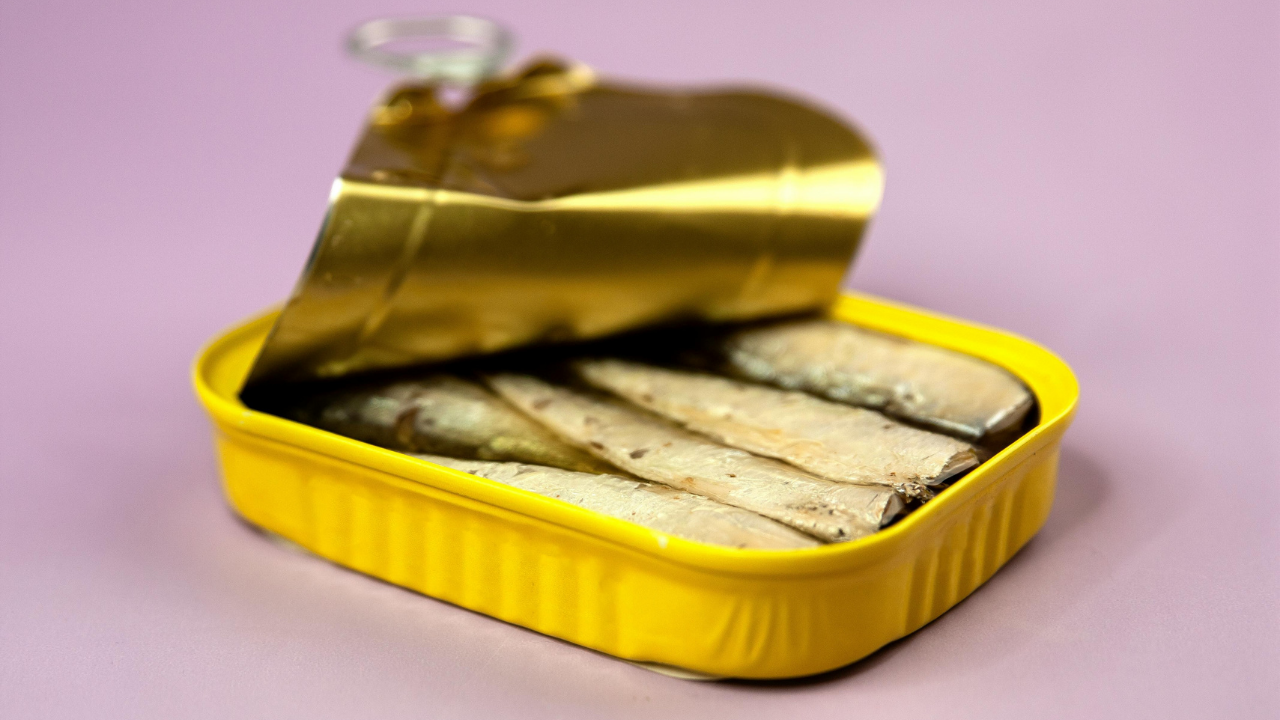
Baltic herring fermented and canned emits a powerful odor banned in many hotels. Its strong aroma alone can make travelers pause. Locals still embrace this deeply traditional dish. The flavor is an acquired taste for outsiders.
Degree of Difficulty: Hard
Core Techniques: Fermenting, canning
Key Equipment: Can opener, fork, plate
Beginner-Friendly Variations to Try: Open outdoors, serve with flatbread
7. Casu Marzu — Sardinia
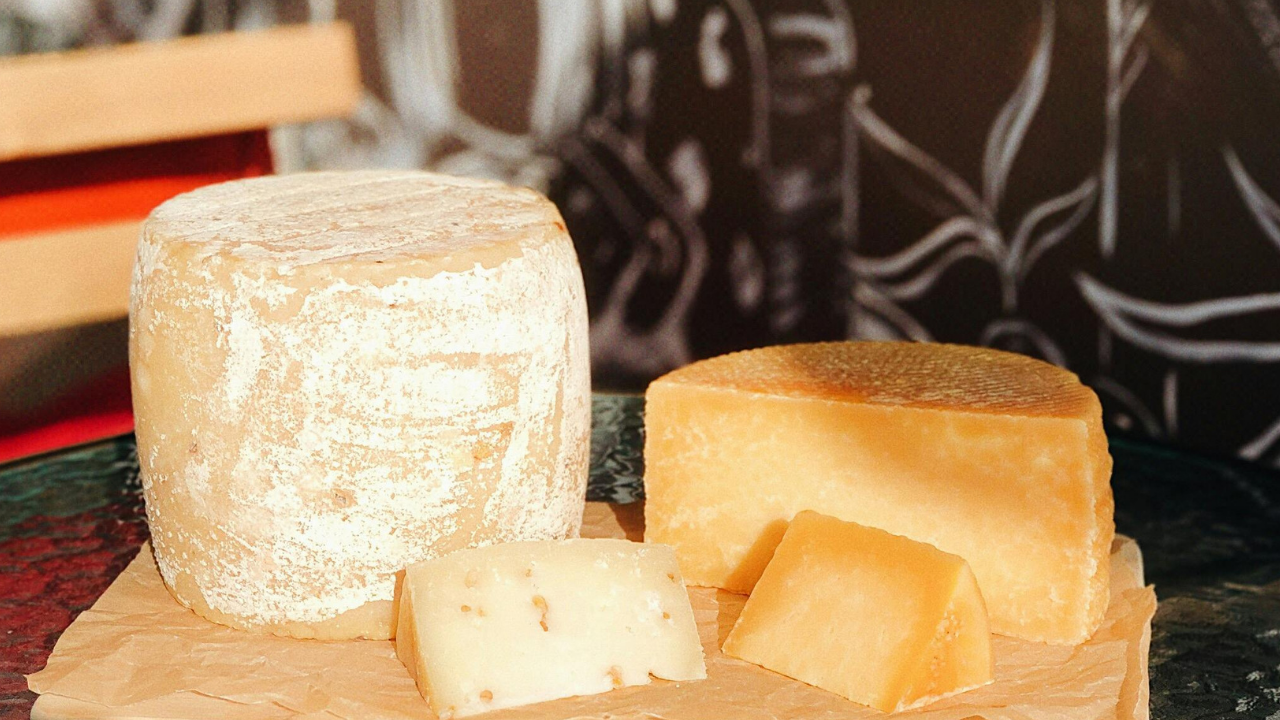
Sheep milk cheese infested with live larvae moves when disturbed. This daring dish is technically illegal to sell in many areas. Tourists rarely attempt it. The strong flavor and visual presentation challenge the faint-hearted.
Degree of Difficulty: Hard
Core Techniques: Cheese aging, larvae management
Key Equipment: Cheesecloth, knife
Beginner-Friendly Variations to Try: Sample pasteurized version without larvae
8. Balut — Philippines
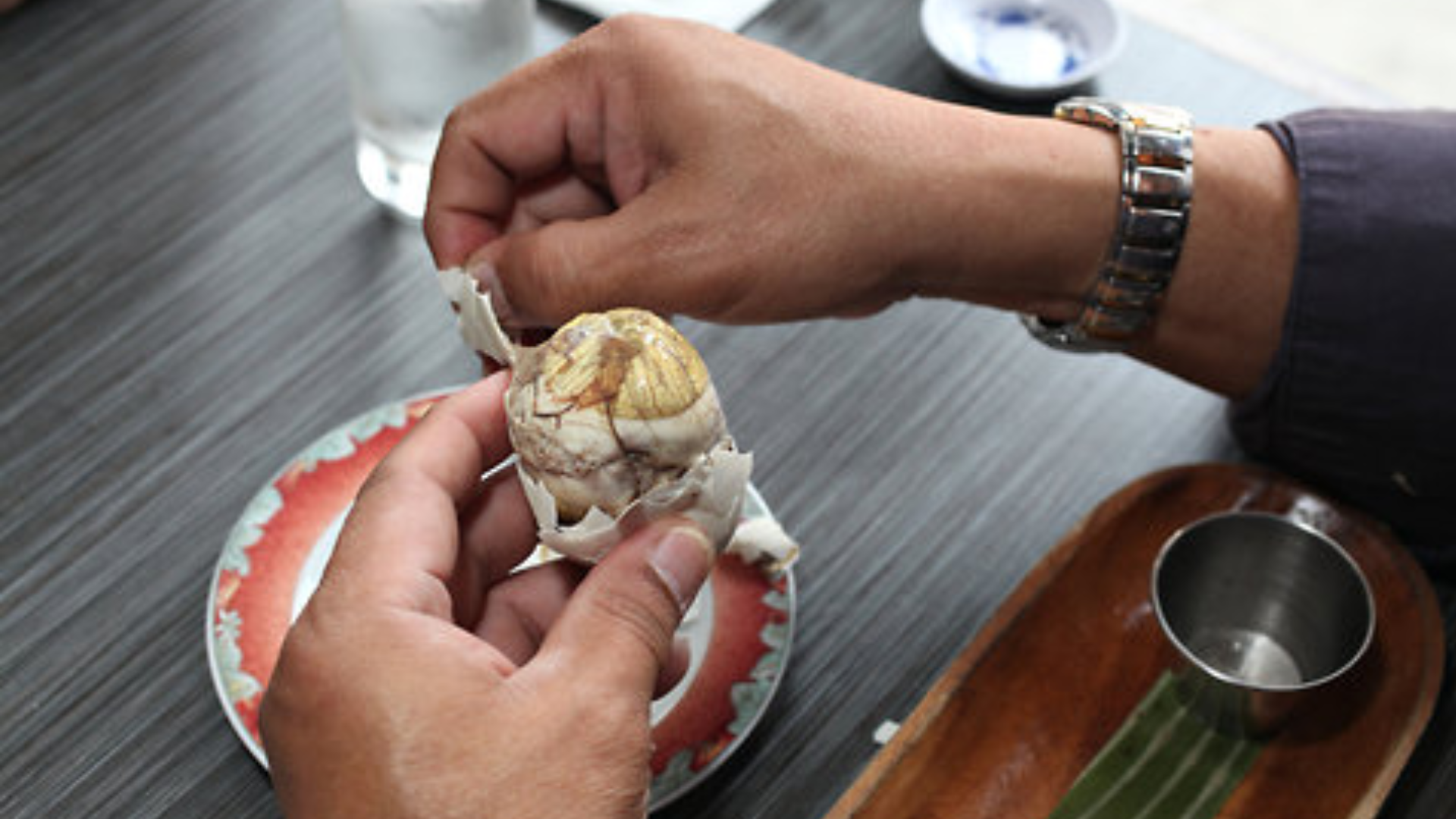
A fertilized duck egg with a partially developed embryo offers rich flavor but a visual challenge. The combination often causes hesitation for travelers. It is one of Southeast Asia’s most infamous culinary experiences. First-time tasters proceed carefully.
Degree of Difficulty: Medium
Core Techniques: Boiling, peeling
Key Equipment: Pot, tongs, bowl
Beginner-Friendly Variations to Try: Try younger eggs, add vinegar or seasoning
9. Stinky Tofu — Taiwan
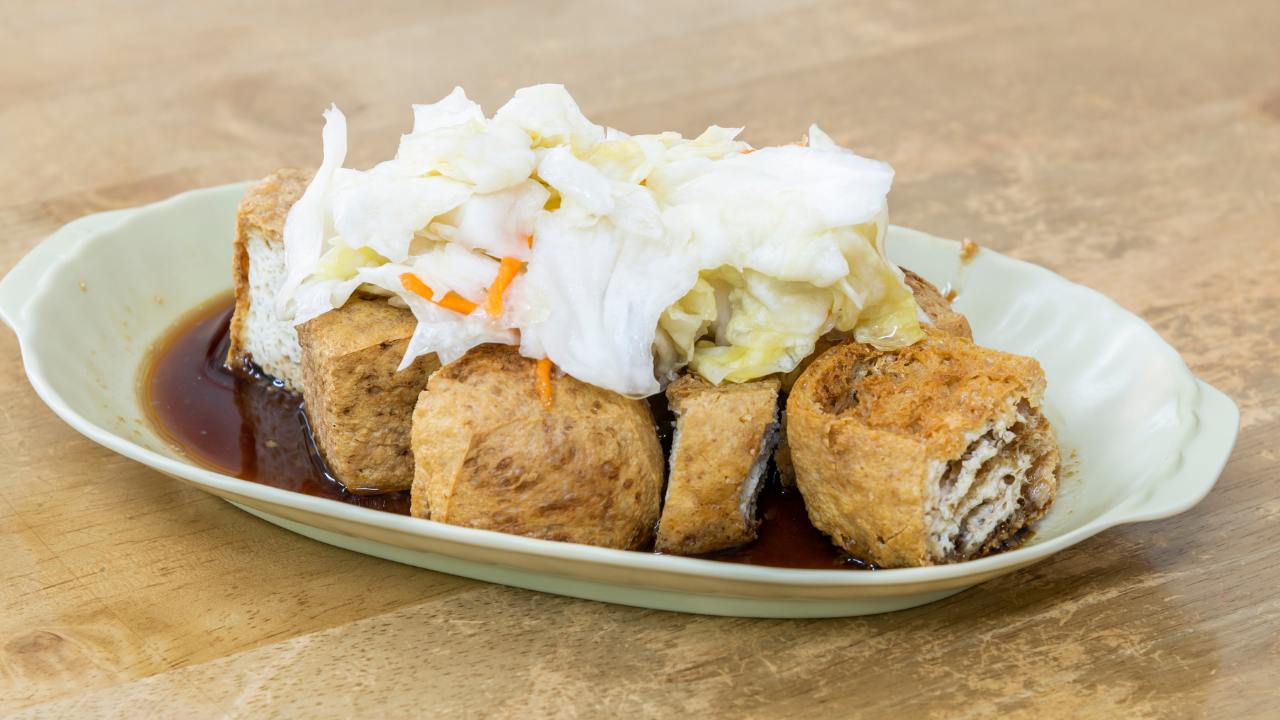
Fermented tofu deep-fried until crisp has a pungent aroma. Locals love it, but newcomers often find the smell overwhelming. The bold flavor is definitely an acquired taste. Eating it is a challenge for first-timers.
Degree of Difficulty: Medium
Core Techniques: Fermentation, deep-frying
Key Equipment: Fryer or pot, tongs
Beginner-Friendly Variations to Try: Fry lightly, serve with sweet or spicy sauce
10. Durian — Southeast Asia
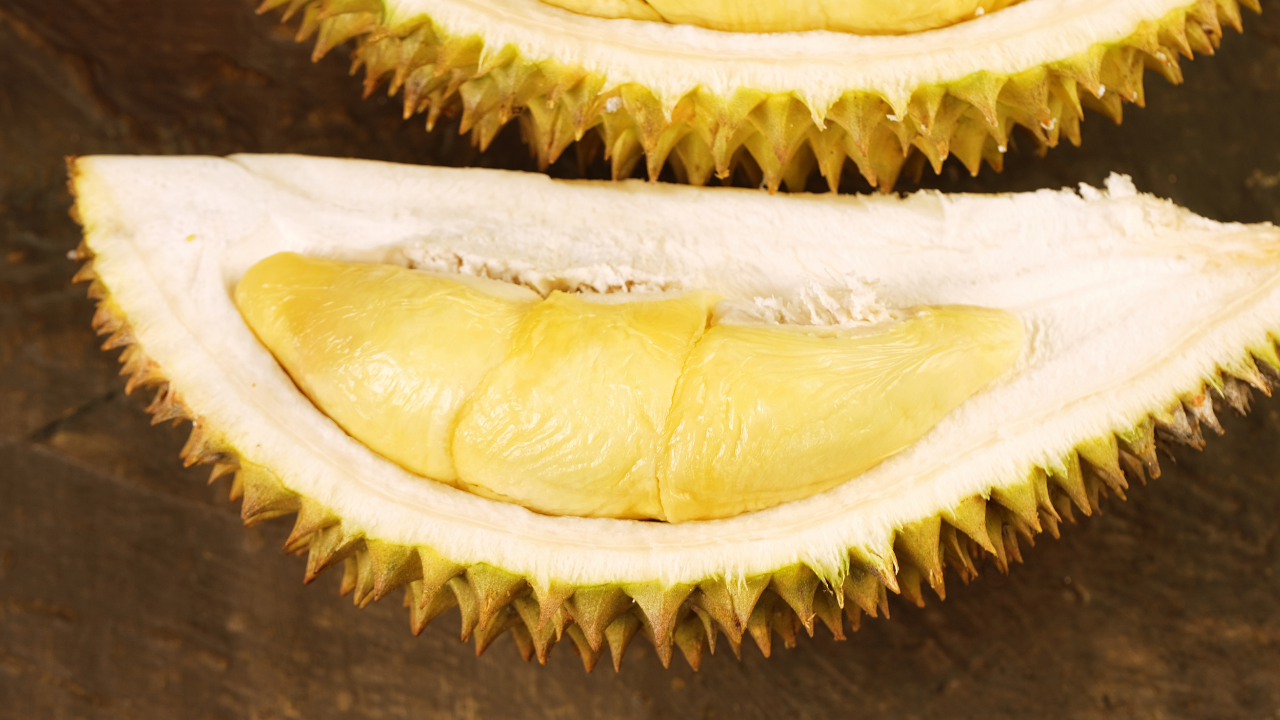
Known as the “king of fruits,” Durian is creamy and sweet but has a famously strong odor. Hotels often ban it indoors. The aroma can be more memorable than the flavor. Many travelers approach with caution.
Degree of Difficulty: Easy
Core Techniques: Peeling, slicing
Key Equipment: Knife, cutting board
Beginner-Friendly Variations to Try: Try frozen or blended to soften aroma
11. Marmite — United Kingdom
This yeast extract spread is intensely savory and polarizing. Fans adore it, but newcomers often grimace at the first taste. A small amount goes a long way. Many travelers need several tries to acquire a liking.
Degree of Difficulty: Easy
Core Techniques: Spreading, layering
Key Equipment: Knife, plate
Beginner-Friendly Variations to Try: Mix with butter or cream cheese
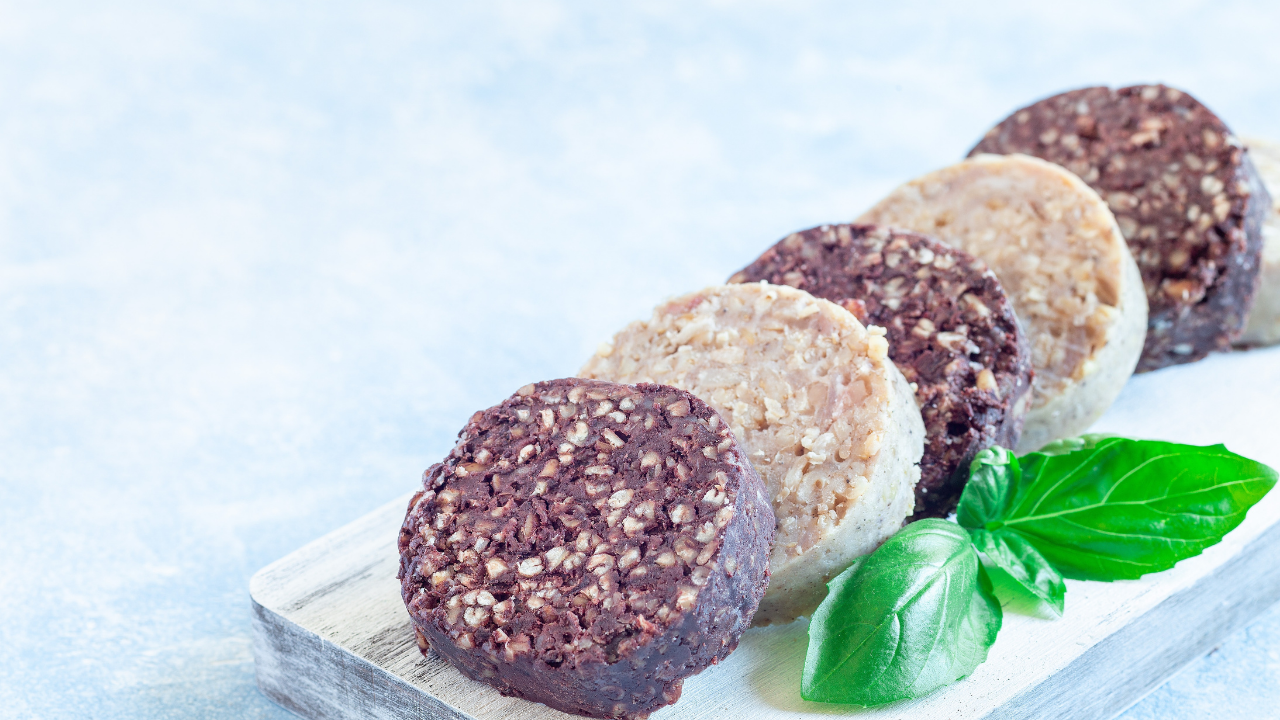
12. Black Pudding — UK & Ireland
A breakfast sausage made from pork blood, fat, and oats. Its flavor is mild, but the ingredients can shock first-time tasters. It’s a challenging addition to a full English breakfast. Small portions are advised.
Degree of Difficulty: Medium
Core Techniques: Cooking, slicing
Key Equipment: Pan, spatula
Beginner-Friendly Variations to Try: Serve with eggs or toast
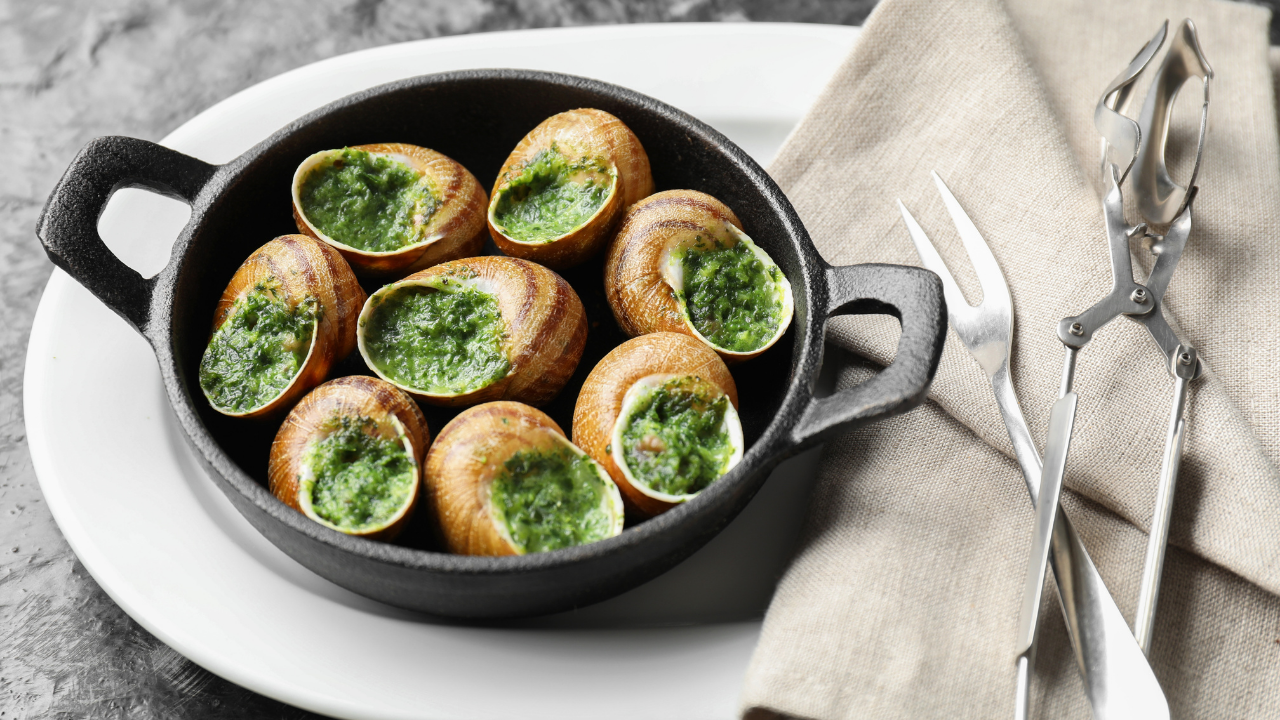
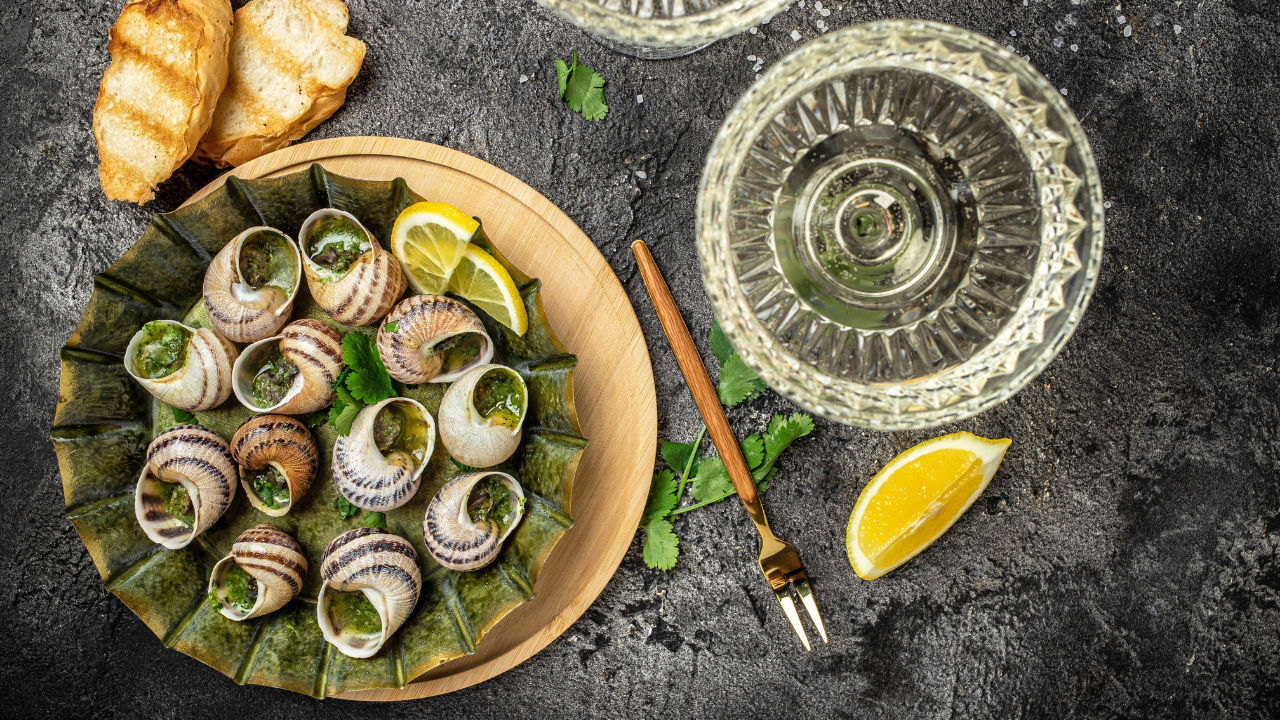
13. Escargot — France
Snails cooked in garlic butter are a classic French bistro dish. The texture can be rubbery and underwhelming. Many travelers find it less exciting than expected. It’s a dish to try for tradition and novelty.
Degree of Difficulty: Medium
Core Techniques: Boiling, sautéing, baking
Key Equipment: Oven, escargot dish, tongs
Beginner-Friendly Variations to Try: Try canned snails first, pair with sauces
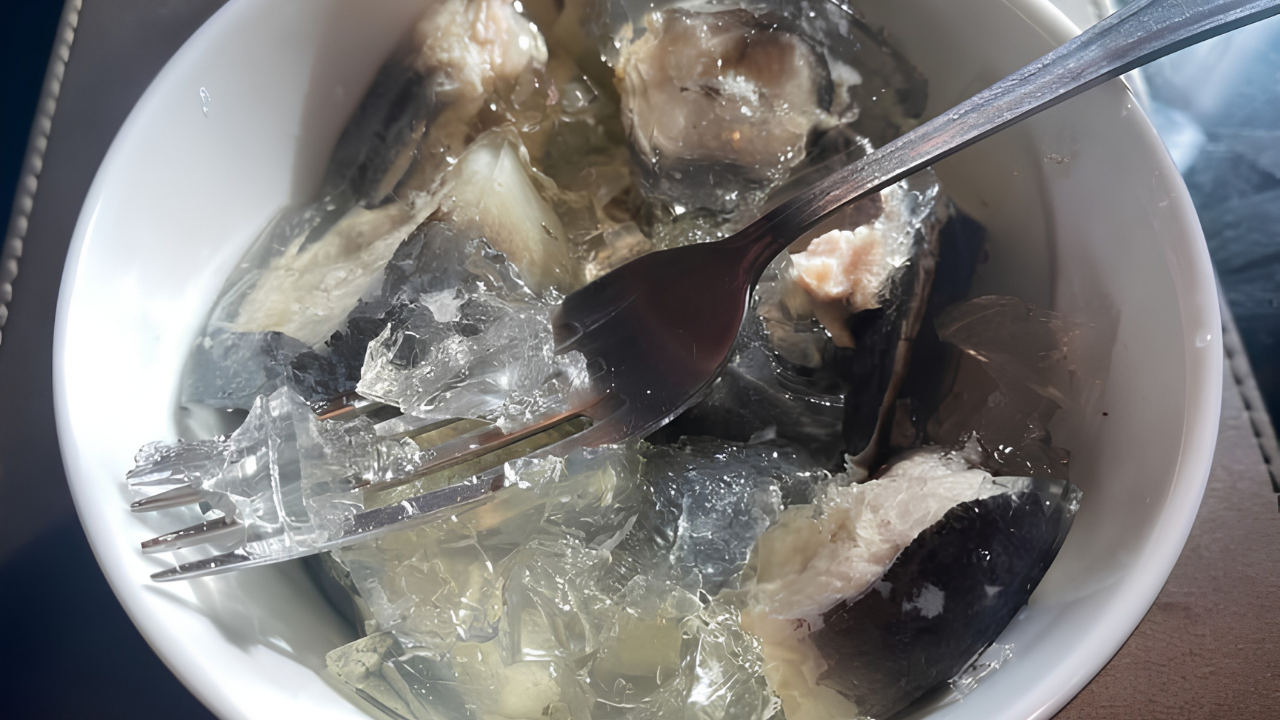
14. Jellied Eels — London
Chopped eels boiled and set in savory jelly create a wobbly texture. It’s a historic dish that surprises many visitors. The unusual presentation and texture divide opinions. Portion control is key.
Degree of Difficulty: Medium
Core Techniques: Boiling, setting in jelly
Key Equipment: Pot, mold, plate
Beginner-Friendly Variations to Try: Serve chilled with vinegar, small portions
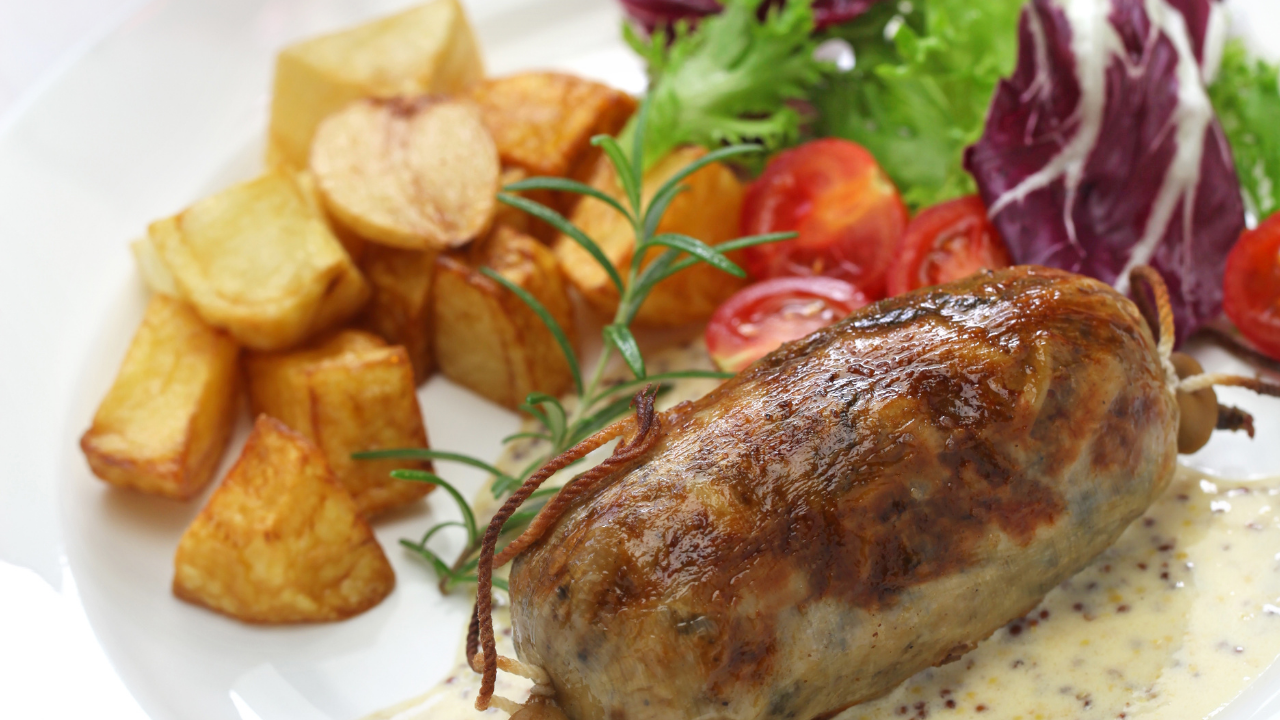
15. Andouillette — France
A sausage made from pig intestines carries a strong barnyard aroma. Even some locals find it intense. Travelers often struggle with the first bite. Sampling in small portions is recommended.
Degree of Difficulty: Hard
Core Techniques: Sausage making, grilling
Key Equipment: Pan or grill, knife
Beginner-Friendly Variations to Try: Try small portions, pair with mustard or bread
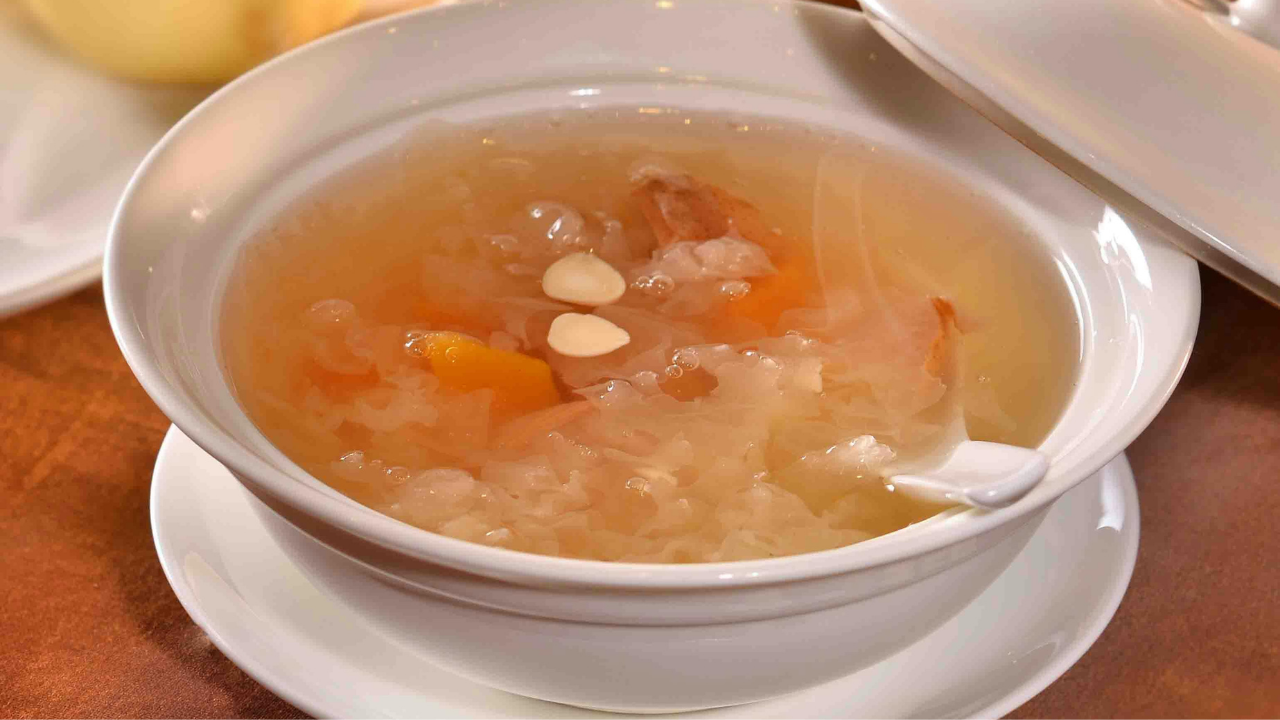
16. Bird’s Nest Soup — Hong Kong
Luxury soup made from hardened swiftlet saliva nests. Mild in flavor, it’s expensive and delicate. Many travelers question if the cost matches the culinary payoff. Small tastings are advised.
Degree of Difficulty: Hard
Core Techniques: Soaking, simmering
Key Equipment: Bowl, pot, strainer
Beginner-Friendly Variations to Try: Sample small servings or use imitation nests
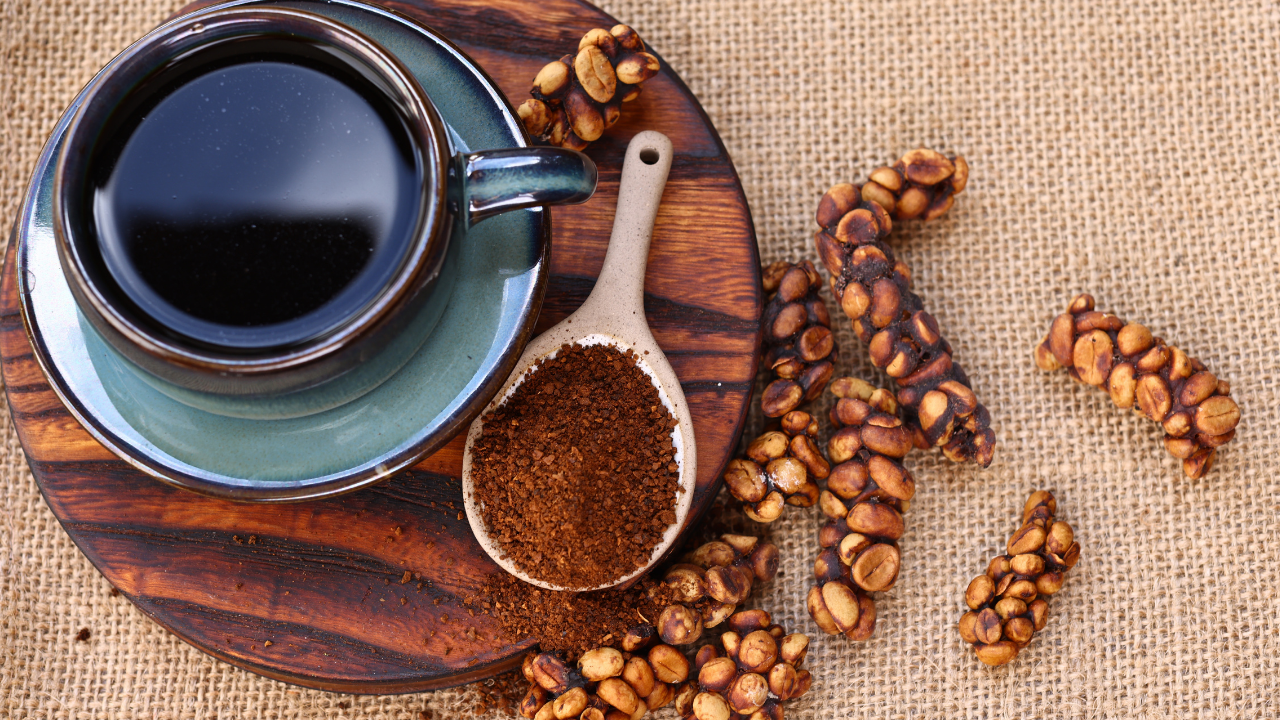
17. Kopi Luwak Coffee — Indonesia
Coffee beans digested by civet cats are roasted into this rare beverage. Smooth yet overshadowed by novelty, ethical concerns also make travelers reconsider. The taste is secondary to the experience. Small cups are recommended.
Degree of Difficulty: Medium
Core Techniques: Roasting, brewing
Key Equipment: Grinder, coffee maker
Beginner-Friendly Variations to Try: Try small cup or ethically sourced alternatives
Comments (0)
No comments yet. Be the first to share your thoughts!