Iceland’s food culture reflects its environment, history, and resourcefulness. Many dishes are shaped by the country’s climate and traditional preservation methods, which can make them quite different from what travelers are used to. While not every item will suit every palate, trying local foods can offer a better understanding of Icelandic culture. This list highlights a mix of everyday favorites and more unusual options that are worth experiencing at least once.
1. Icelandic hot dog

Icelandic hot dogs are a common and widely available street food. They are typically made with lamb, sometimes blended with beef and pork, giving them a lighter but still rich flavor. They are often served with a combination of ketchup, mustard, fried onions, and raw onions. The balance of textures and flavors makes them a simple but satisfying option. These hot dogs are easy to find at stands and transit spots, making them a convenient introduction to local food.
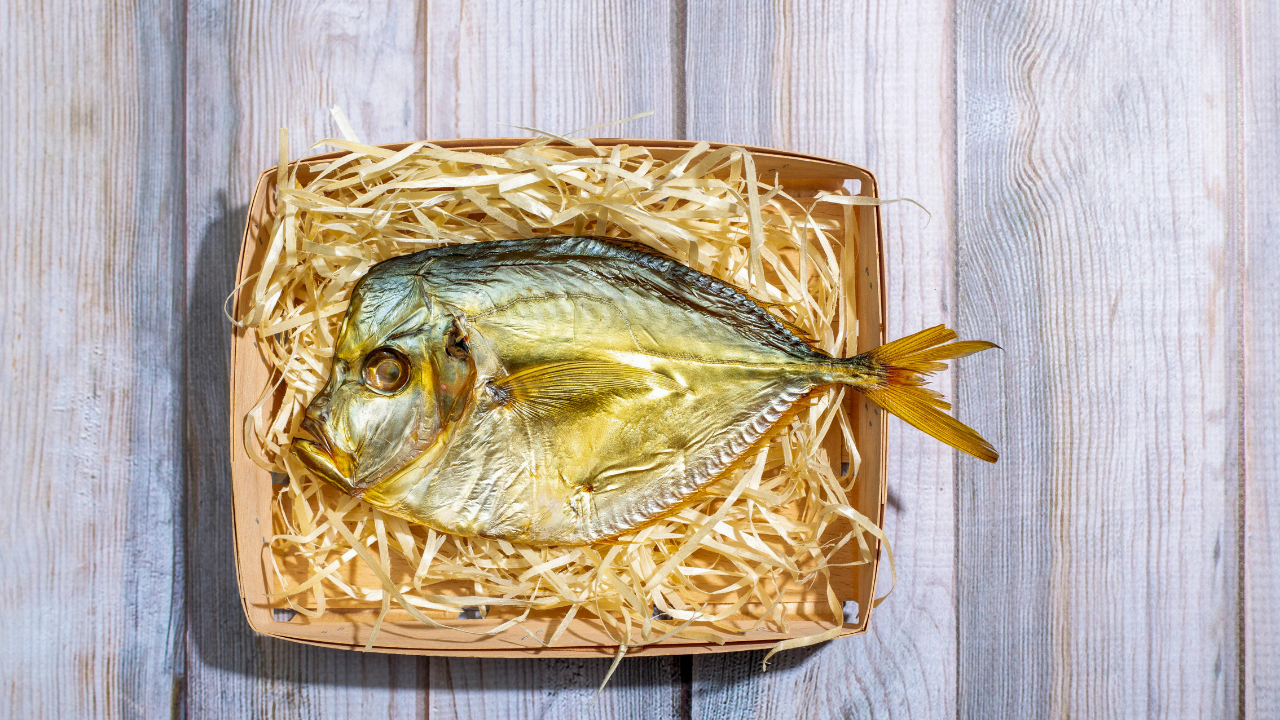
2. Harðfiskur (dried fish)
Harðfiskur is a traditional dried fish snack, often compared to jerky. It is made by air-drying fish such as cod or haddock, which gives it a firm texture and strong aroma. It has historically been an important food source due to its long shelf life. Today, it is usually eaten with butter to soften the flavor and texture. While it may not appeal to everyone, it remains a staple that reflects Iceland’s preservation traditions.
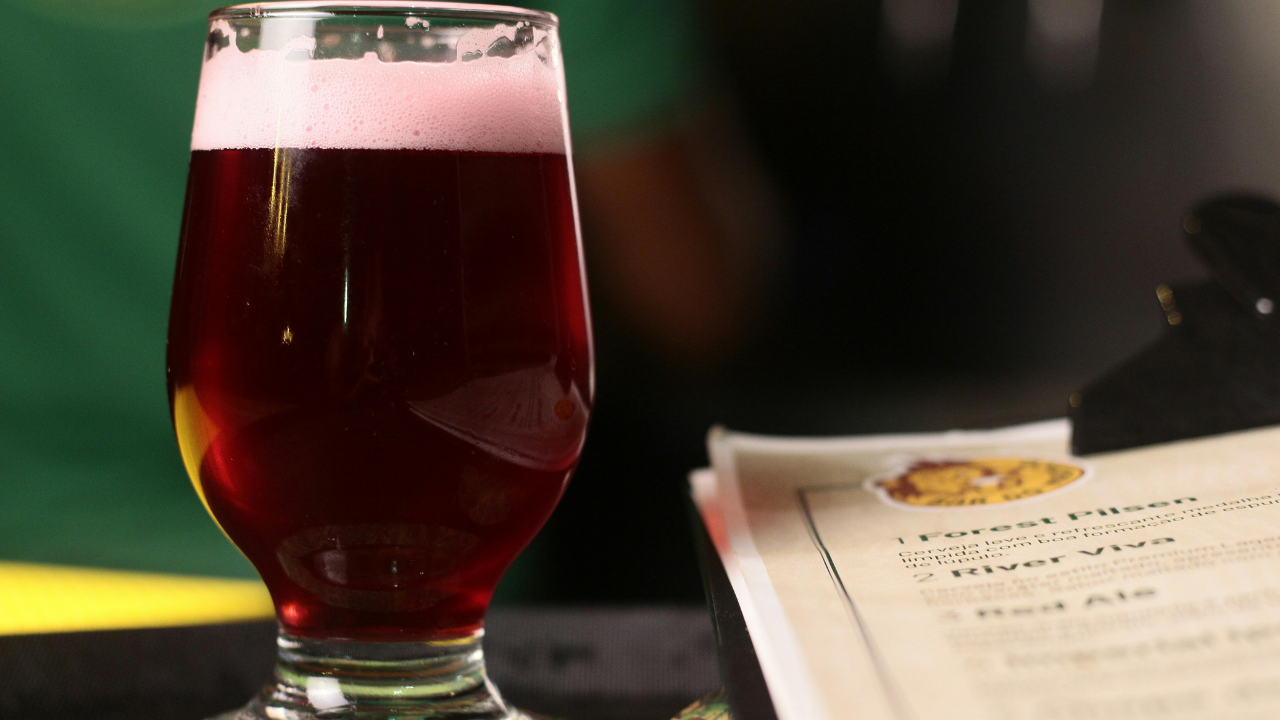
3. Julebryg (Christmas beer)
Julebryg is a seasonal beer that appears during the winter months. It is part of Iceland’s holiday traditions and is widely available during Christmas. The flavor profile tends to be mild with slight caramel notes, depending on the brand. It is often enjoyed casually rather than as a specialty craft drink. For visitors during the holiday season, it offers a simple way to experience local customs.
4. Icelandic licorice
Licorice is extremely popular in Iceland and comes in many forms. It is often stronger and less sweet than versions found elsewhere. The flavor leans heavily toward anise, with a firm texture and lasting aftertaste. It is frequently combined with chocolate in various snacks. This is a good option for those who already enjoy bold, bitter flavors.
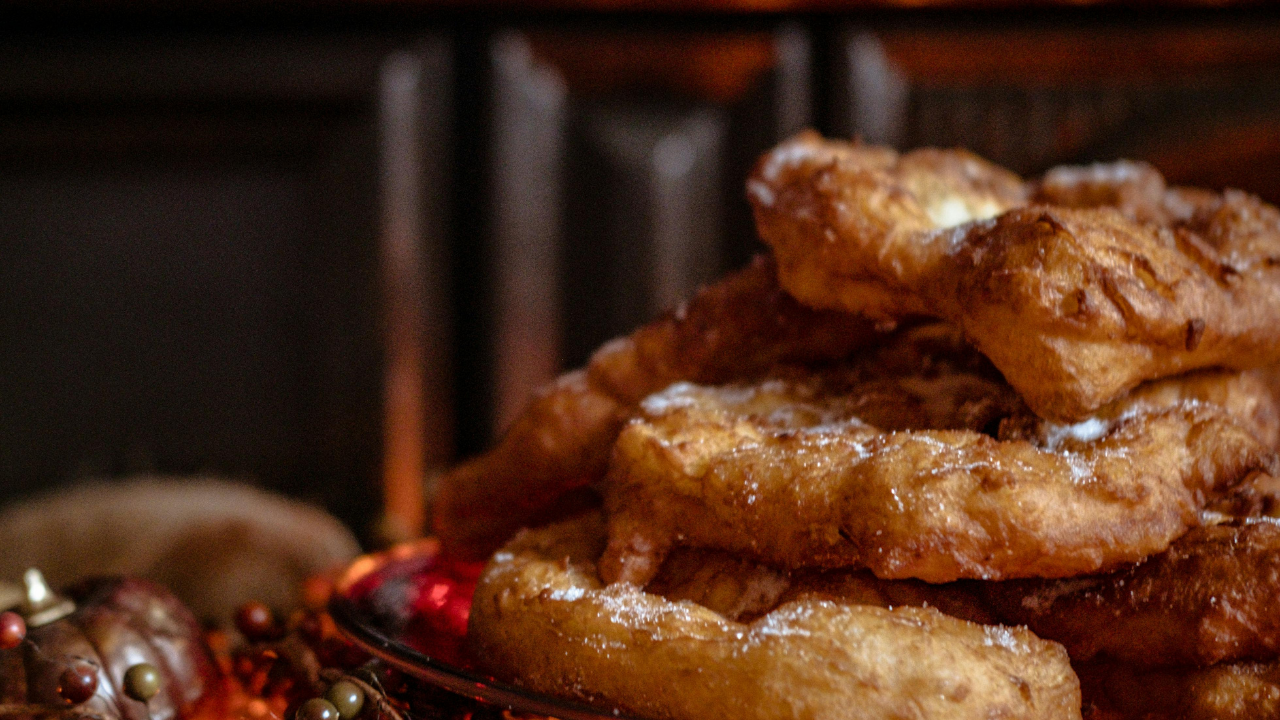
5. Kleinur
Kleinur are traditional fried pastries often compared to twisted doughnuts. They are denser than standard doughnuts and have a slightly crisp exterior. They are typically lightly sweetened, though some versions include icing or sugar coatings. Sizes and styles can vary between bakeries. They are commonly served with coffee, making them an easy and familiar option to try.
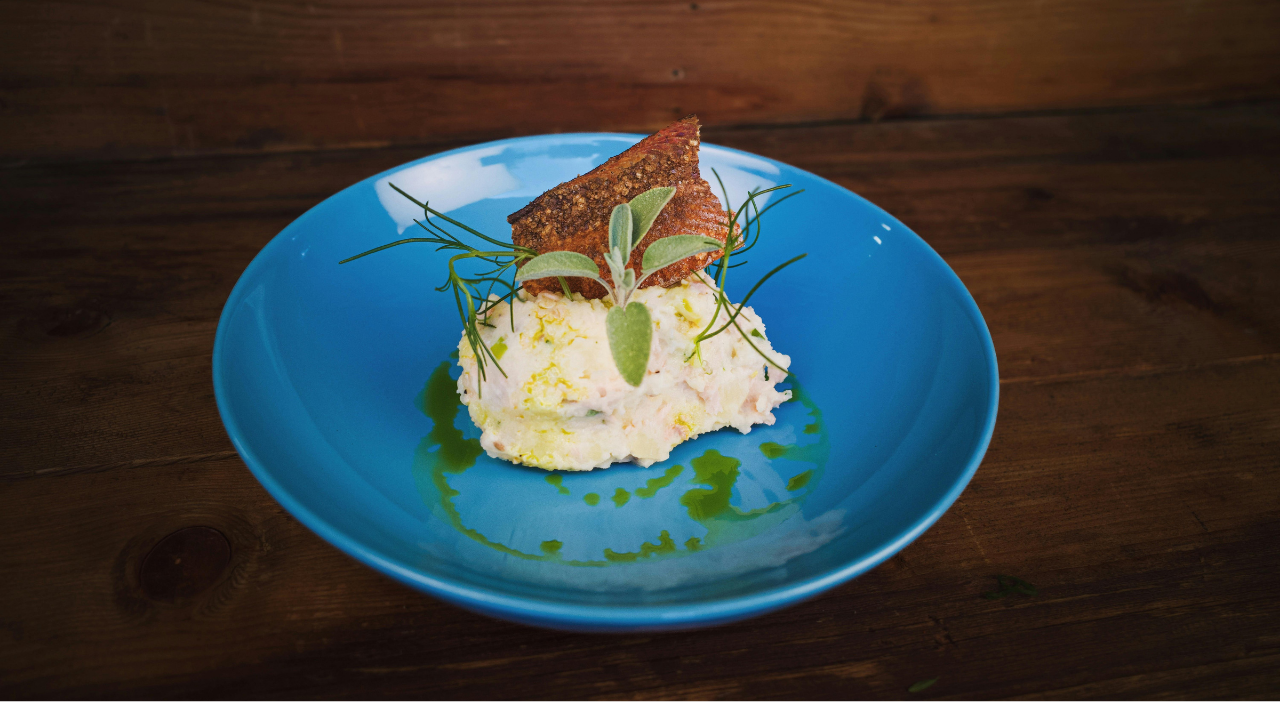
6. Plokkfiskur
Plokkfiskur is a traditional fish dish made with cod, potatoes, and a creamy base. It is more solid than a stew, with a texture closer to a mash. The dish developed as a way to use leftover fish and remains a common comfort food. Some versions include cheese for added richness. It reflects Iceland’s reliance on cod and practical cooking methods.
7. Chocolate and hazelnut spreads
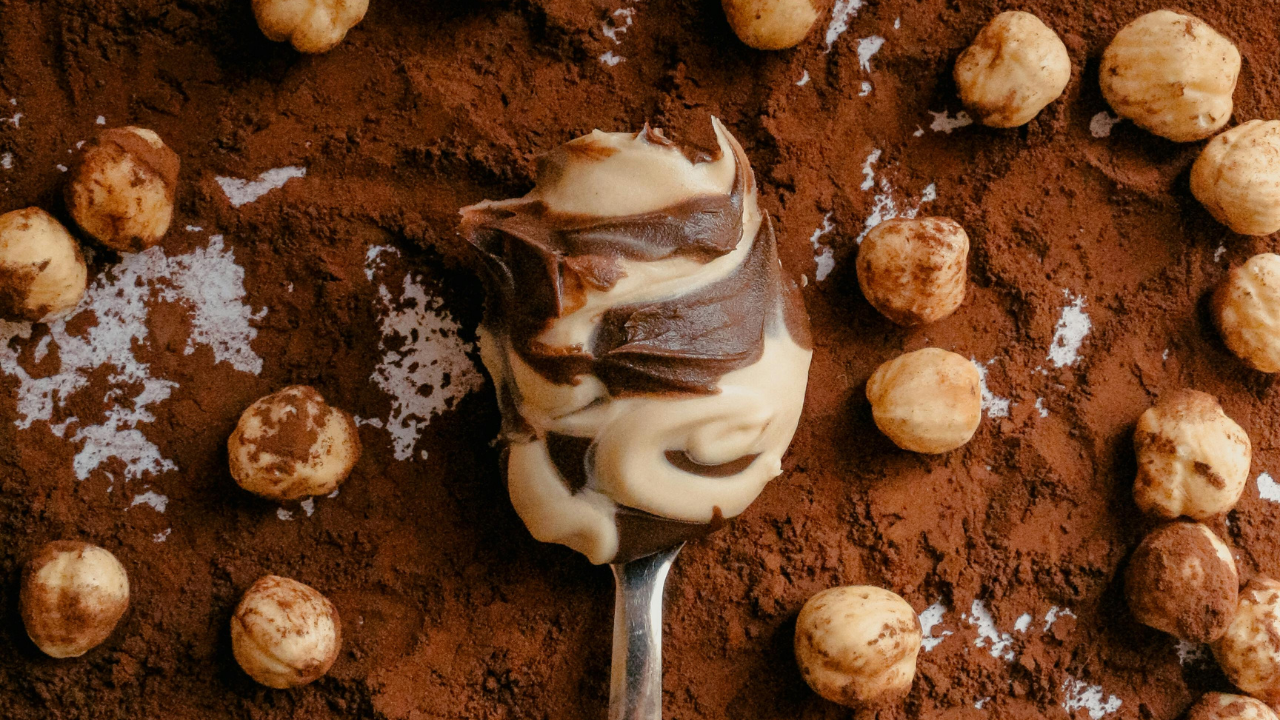
Iceland offers a wide range of chocolate and hazelnut spreads similar to Nutella. Some include added cream or flavor variations. These spreads are commonly found in grocery stores and are used for breakfast or snacks. The variety reflects a strong preference for sweet spreads. They are easy to try and familiar in concept, though slightly different in taste.
8. Síld (pickled herring)
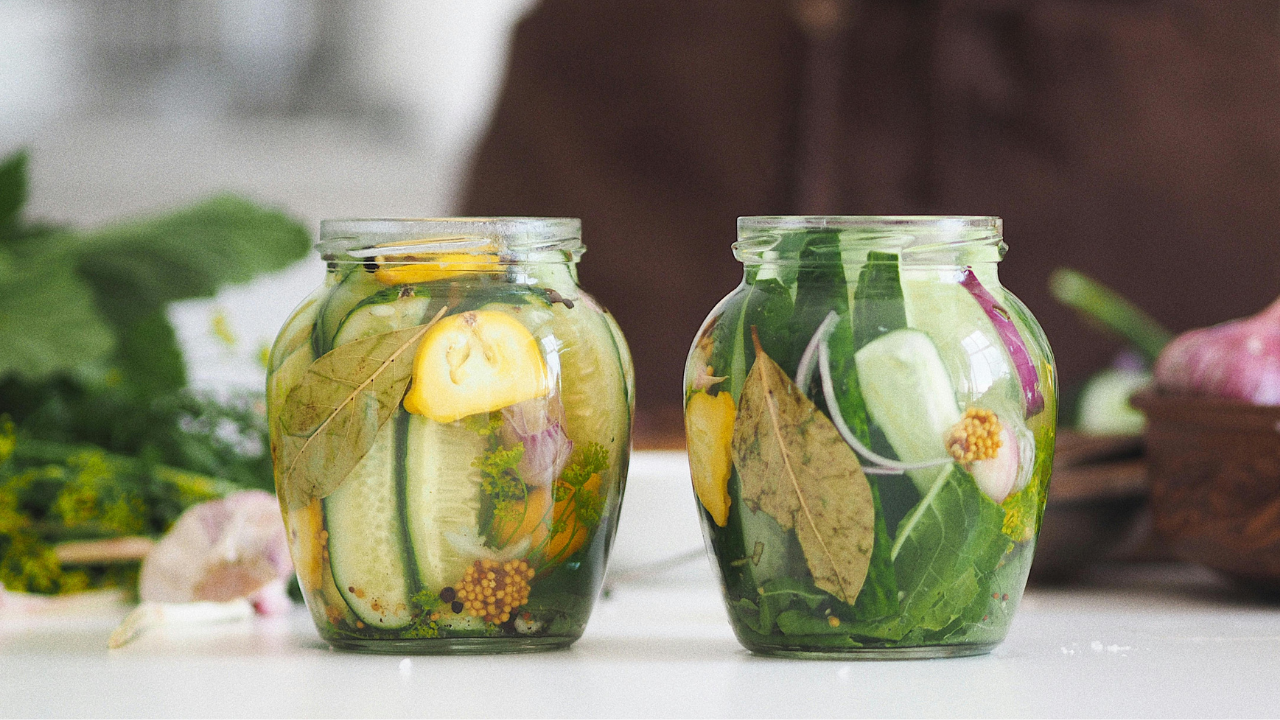
Síld refers to herring, often served pickled in various sauces. It is a traditional dish shared across Nordic countries. It is commonly eaten with bread and soft cheese, creating a balanced combination of flavors. The taste is tangy and slightly salty. For many visitors, it offers a more approachable introduction to preserved fish.
9. Skyr
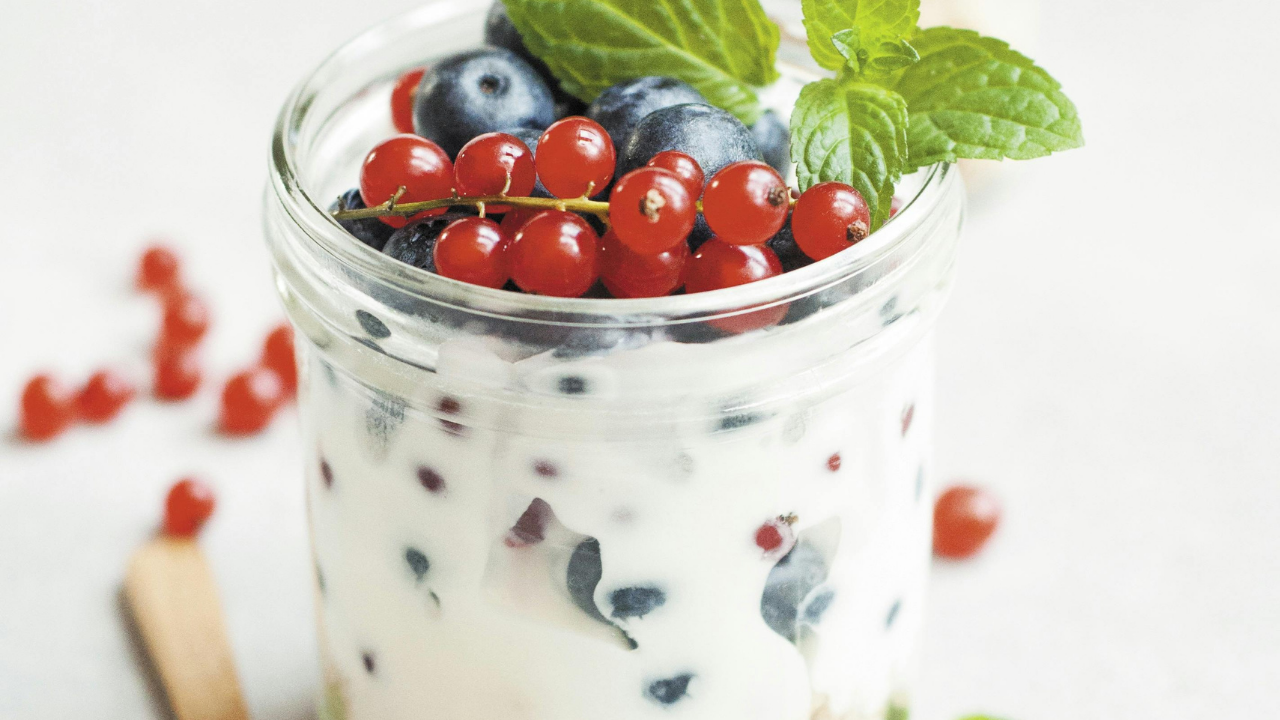
Skyr is a thick dairy product often compared to yogurt, though it is technically closer to cheese. It is made using cultures and rennet, then strained. The result is a dense, high-protein product with a mild tangy flavor. It is available in plain and flavored varieties. It is widely consumed and easy to find, making it one of the most accessible Icelandic foods.
10. Nordic open-faced sandwich
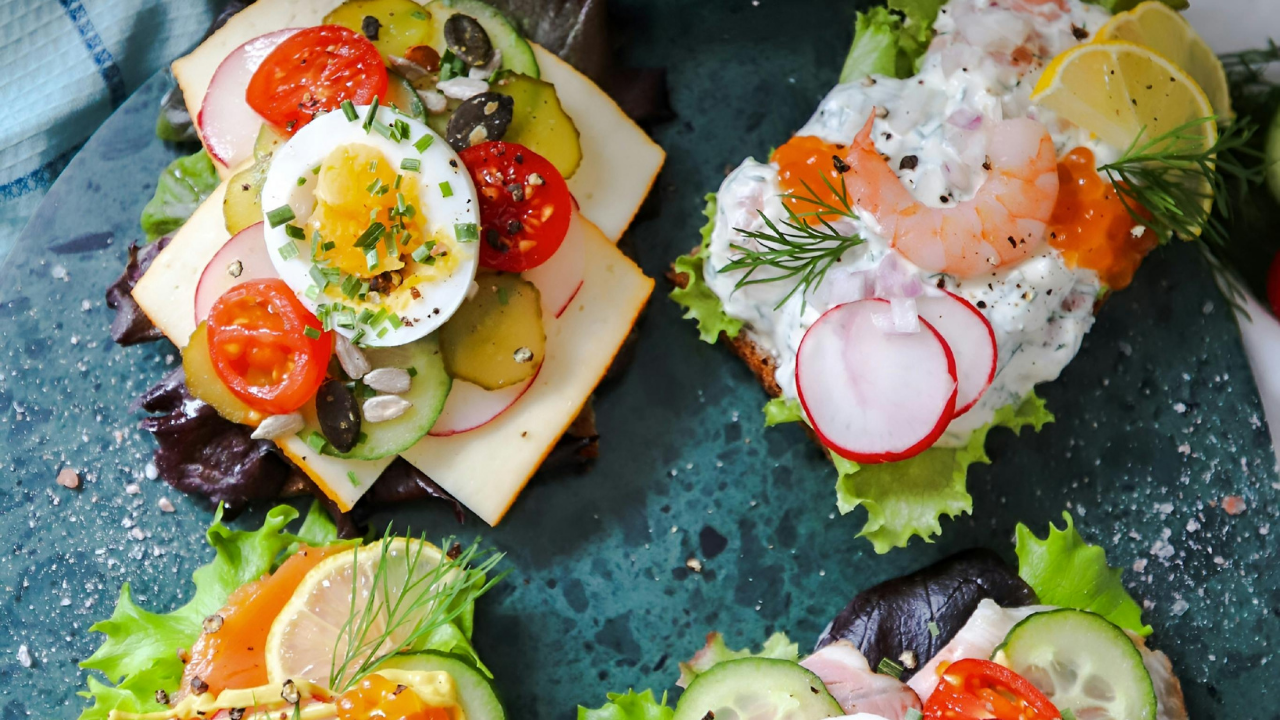
Open-faced sandwiches are a common Nordic dish, often served with a variety of toppings. These can include meats, fish, sauces, and vegetables. They are typically served on dense bread and arranged for both taste and presentation. Each version offers a different combination of flavors. They are simple, balanced, and widely available in cafes and casual dining spots.
11. Rúgbrauð
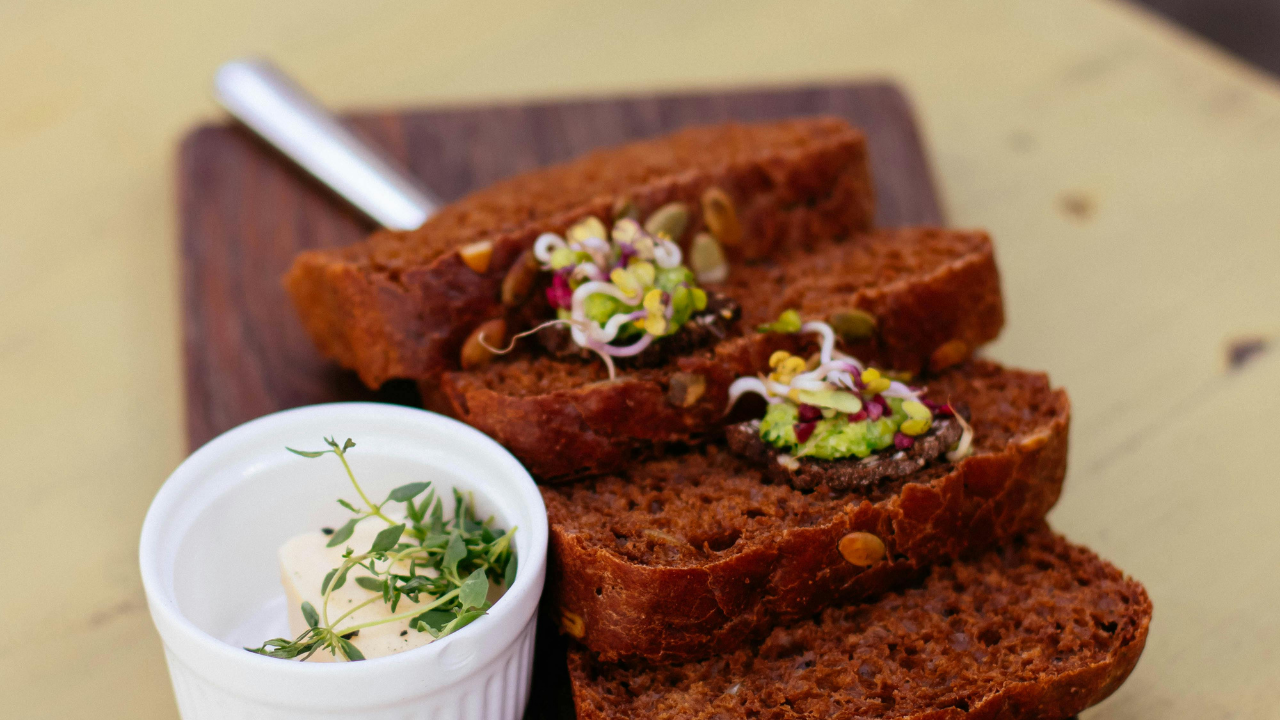
Rúgbrauð is a traditional rye bread known for its dense texture and slightly sweet flavor. It is baked slowly, sometimes using geothermal heat. The bread is moist and often served with butter, fish, or smoked meats. Its sweetness comes naturally from the cooking process. It is a key part of many Icelandic meals and reflects local baking traditions.
12. Lamb dishes
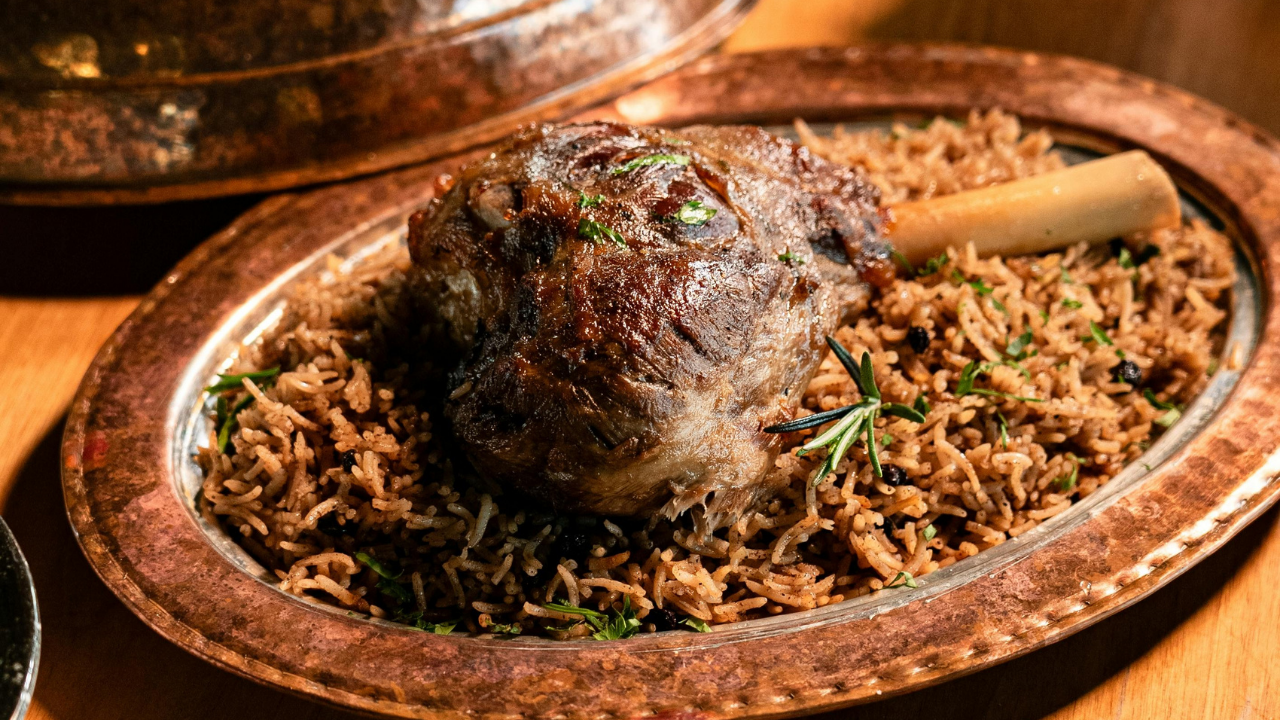
Lamb is one of the most important meats in Iceland due to the country’s long history of sheep farming. The animals are raised in natural conditions, which affects the flavor. It is used in a wide range of dishes, from stews to roasted cuts. The taste is typically mild but rich. For many visitors, lamb is one of the more familiar and enjoyable local options.
13. Jólajógúrt (Christmas yogurt)
Jólajógúrt is a seasonal dairy product flavored with spices like cinnamon and apple. It is typically available during the holiday period. The flavor is mild and slightly sweet, making it easy to enjoy. It reflects seasonal traditions tied to winter celebrations. It is commonly found in grocery stores and eaten as a snack or breakfast.
14. Jólaglögg
Jólaglögg is a mulled wine drink served during winter. It is similar to other European versions but often includes Nordic spices. The drink is typically warm and lightly sweetened. It is associated with holiday gatherings and cold-weather comfort. It is a familiar option for travelers who enjoy seasonal beverages.
15. Icelandic ice cream
Icelandic ice cream is known for its rich and creamy texture. It is often compared to a mix between gelato and frozen custard. A wide range of flavors is available, including both traditional and more unusual options. It is popular year-round despite the cold climate. It is widely available and easy to include in any visit.
16. Hákarl and Brennivín
Hákarl is fermented shark meat, often served with Brennivín, a strong alcoholic drink. This combination is considered a traditional dish. The fermentation process gives the shark a very strong flavor. Brennivín is typically used to balance the taste. This pairing is often approached as a cultural experience rather than an everyday meal.
17. Reindeer pâté
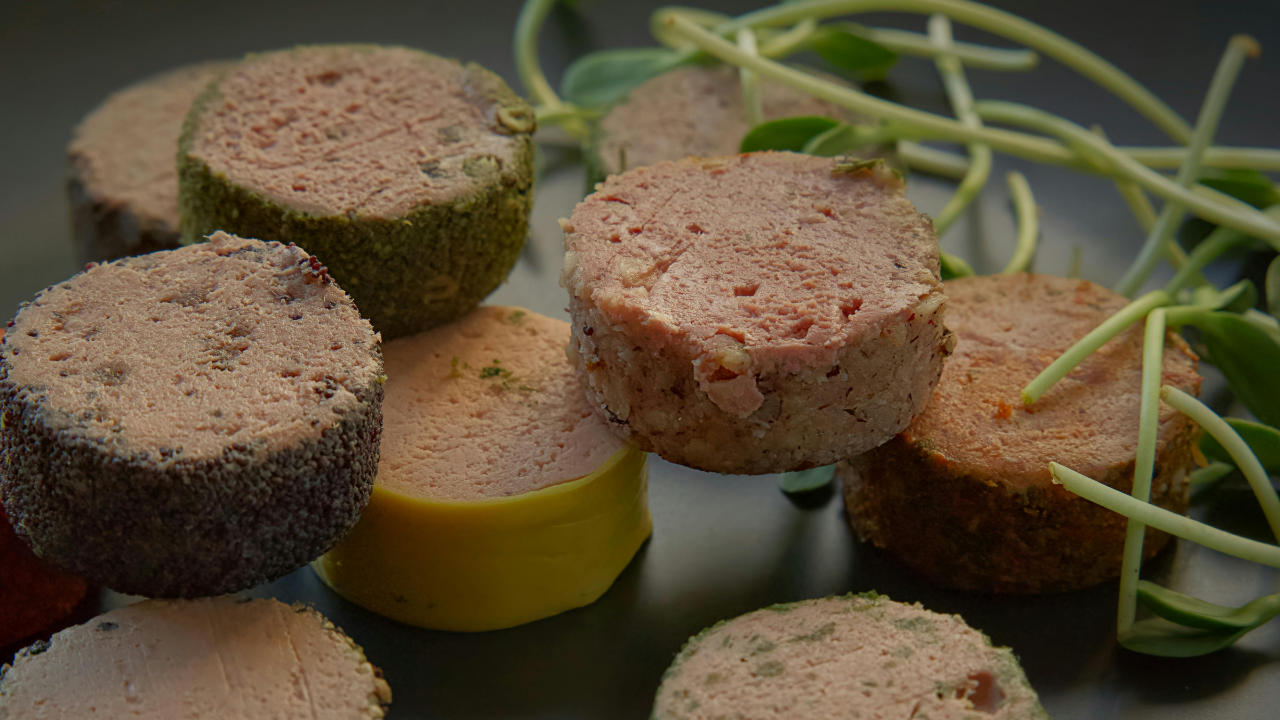
Reindeer pâté is a rich spread made from reindeer meat and other ingredients. It is usually served with bread or crackers. The flavor is mild compared to other game meats, with a smooth but slightly textured consistency. It is often used as a snack or light meal. It is less common but worth trying if available.
18. Vínarbrauð
Vínarbrauð is a layered pastry made with puff pastry, custard, and marzipan. It often includes toppings like sugar or chocolate. The pastry is rich and sweet, with multiple textures in each bite. It is commonly found in bakeries. It is one of the more familiar and widely enjoyed Icelandic treats.
Comments (0)
No comments yet. Be the first to share your thoughts!