Fatty liver disease is a common condition that can affect people of all ages and lifestyles. It develops when fat accumulates in liver cells, impairing normal function. Over time, this buildup can trigger inflammation, lead to fibrosis, progress to cirrhosis, or, in severe cases, compromise liver health. While medical intervention may be necessary in some situations, managing the condition often starts with adjusting diet and lifestyle habits. Avoiding certain foods and habits is key to reducing stress on the liver and supporting recovery. By making mindful choices, individuals can help prevent further liver damage and promote overall wellness. Here are ten foods and lifestyle factors that should be limited or avoided if you are living with fatty liver disease.
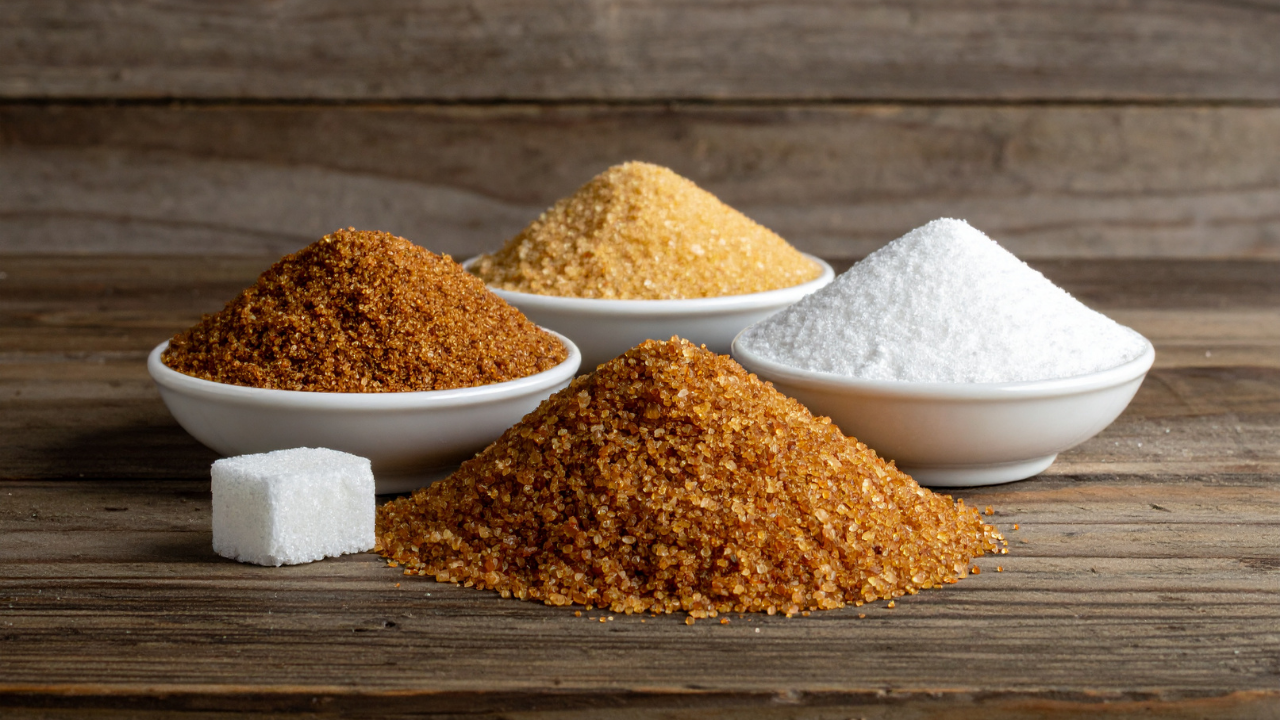
1. Sugar and added sugars
© Pexels / Nicole Michalou
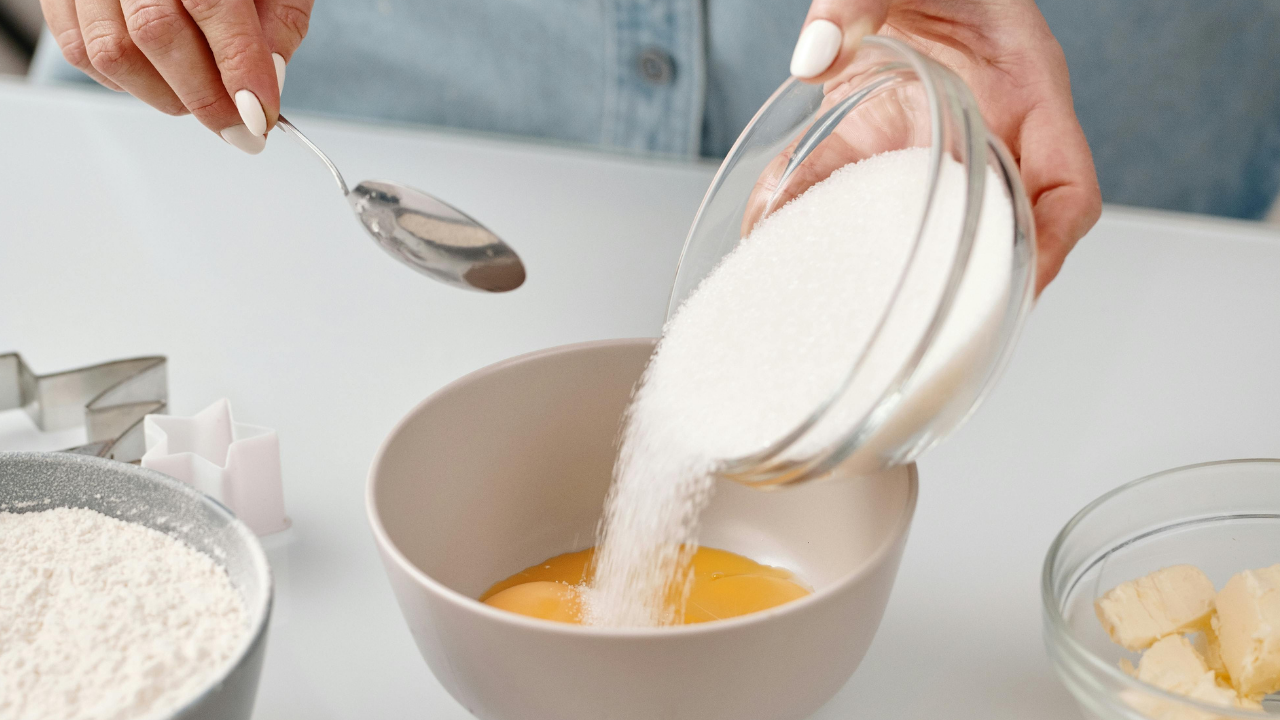
Excess sugar intake contributes to fat buildup in liver cells and can worsen insulin resistance over time. Consuming sweets, desserts, sugary snacks, and sweetened beverages may increase the liver's workload. Even naturally sweetened drinks can add unnecessary sugar. Reducing sugar gradually and monitoring intake can help support liver function and maintain healthier blood sugar levels.
2. Alcohol

© Pexels / Aleksandar Andreev
Alcohol is processed primarily by the liver, and excessive intake can trigger inflammation and fat accumulation. People with fatty liver disease, whether non-alcoholic or alcohol-related, should avoid drinking to prevent further damage. Even moderate amounts can affect liver recovery. Eliminating alcohol allows the liver to regenerate more effectively and supports long-term health.
3. Refined grains
© Shutterstock / Ground Picture
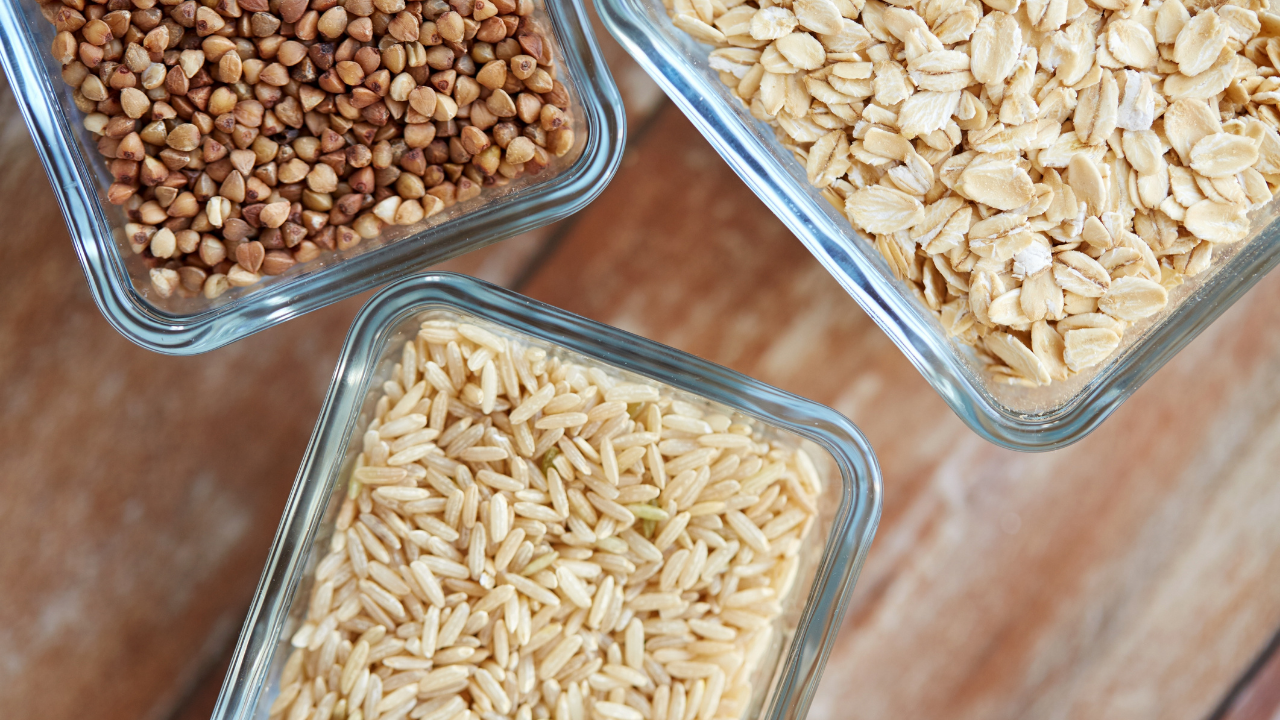
White bread, regular pasta, and white rice are refined grains stripped of fiber and nutrients. These foods can cause rapid spikes in blood sugar, contributing to fat storage in the liver. Choosing whole grains like oats, quinoa, and brown rice provides fiber and nutrients that help maintain stable blood sugar levels. Whole grains support metabolic health while being gentler on the liver.
4. Fatty, fried, or salty foods
© Pexels / Lucas Andrade
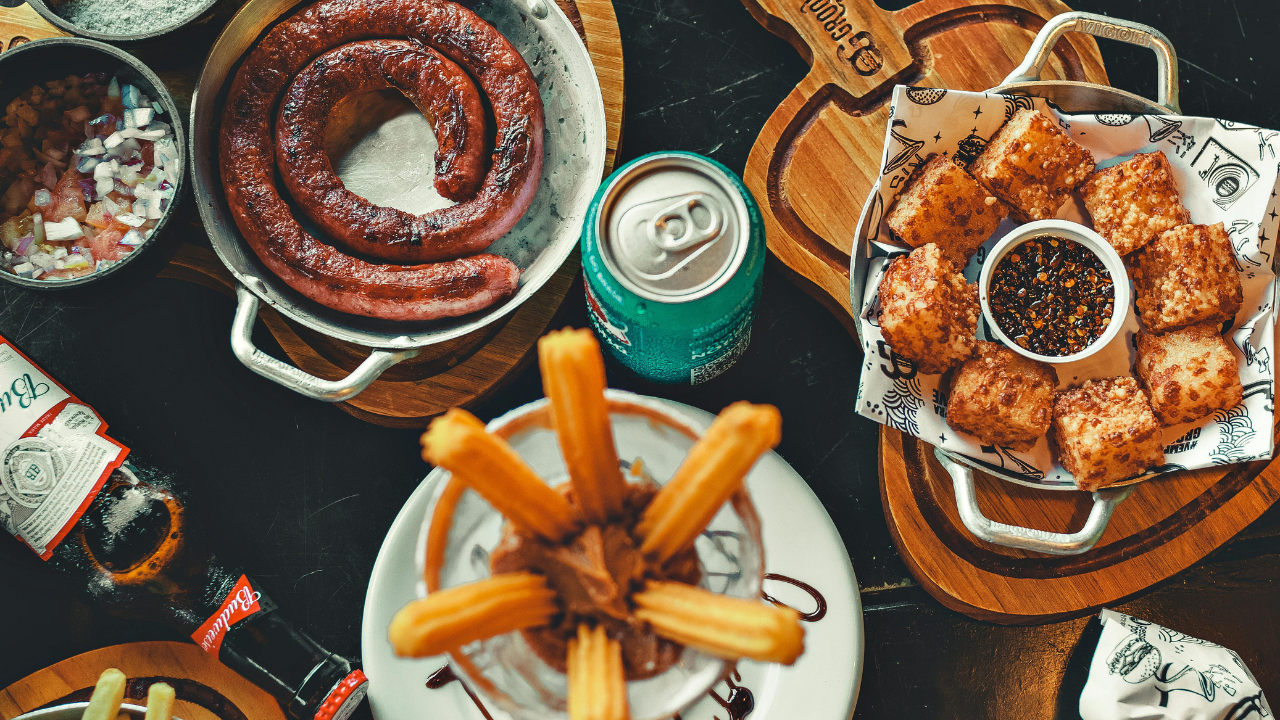
Deep-fried items and foods high in saturated fat—such as fried chicken, chips, and French fries—can strain the liver and increase cholesterol levels. Processed snacks high in sodium may contribute to water retention and swelling. Limiting fried, fatty, and salty foods is a proactive step for anyone managing fatty liver disease and seeking to reduce liver stress.
5. Red meat
© Pexels / Sea Wave
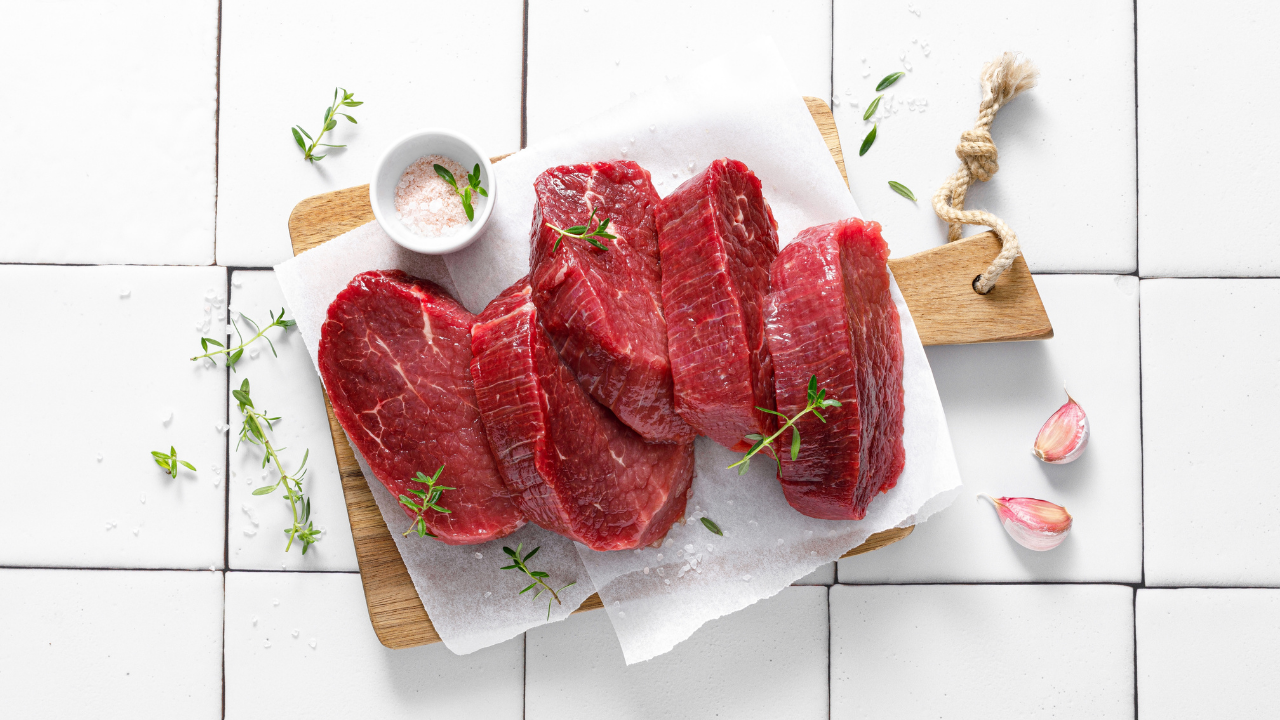
Beef, pork, and lamb are rich in saturated fats, which are harder for the liver to process efficiently. Frequent consumption has been linked to increased liver fat and inflammation. Lean protein options such as skinless poultry, fish, legumes, and tofu are easier on the liver while providing necessary nutrients. These alternatives help maintain a balanced, liver-friendly diet.
6. Smoking

© Shutterstock / sasirin pamai
Tobacco introduces harmful chemicals into the bloodstream, increasing oxidative stress and inflammation in the liver. Smoking can interfere with the liver's ability to repair itself. Quitting smoking not only improves liver health but also benefits overall cardiovascular and respiratory well-being. Reducing exposure to secondhand smoke is equally important.
7. Unhealthy weight
© Shutterstock / New Africa
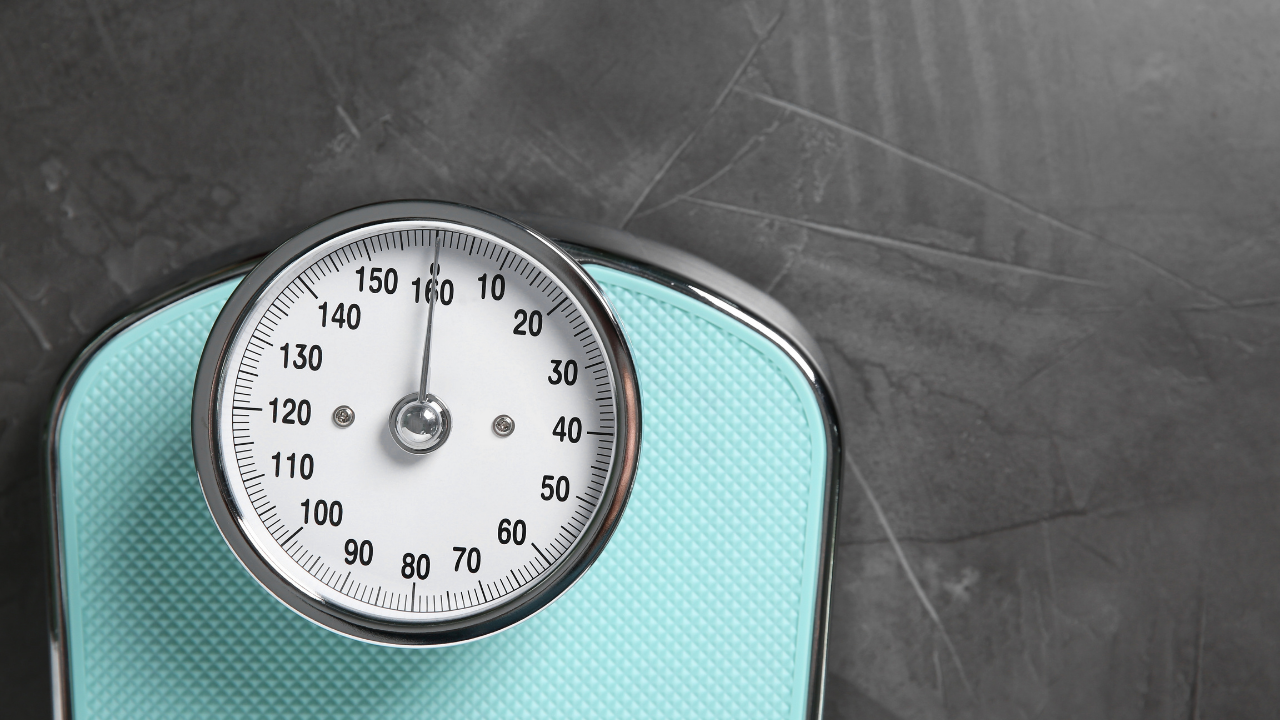
Carrying excess body fat, especially abdominal fat, is strongly linked to fatty liver disease. Overweight individuals have a higher risk of insulin resistance and fat accumulation in liver cells. Gradual weight loss—around 5 to 10 percent of body weight—can significantly improve liver enzyme levels and overall liver function. Combining balanced nutrition with regular activity is effective for management.
8. White flour
© Shutterstock / New Africa
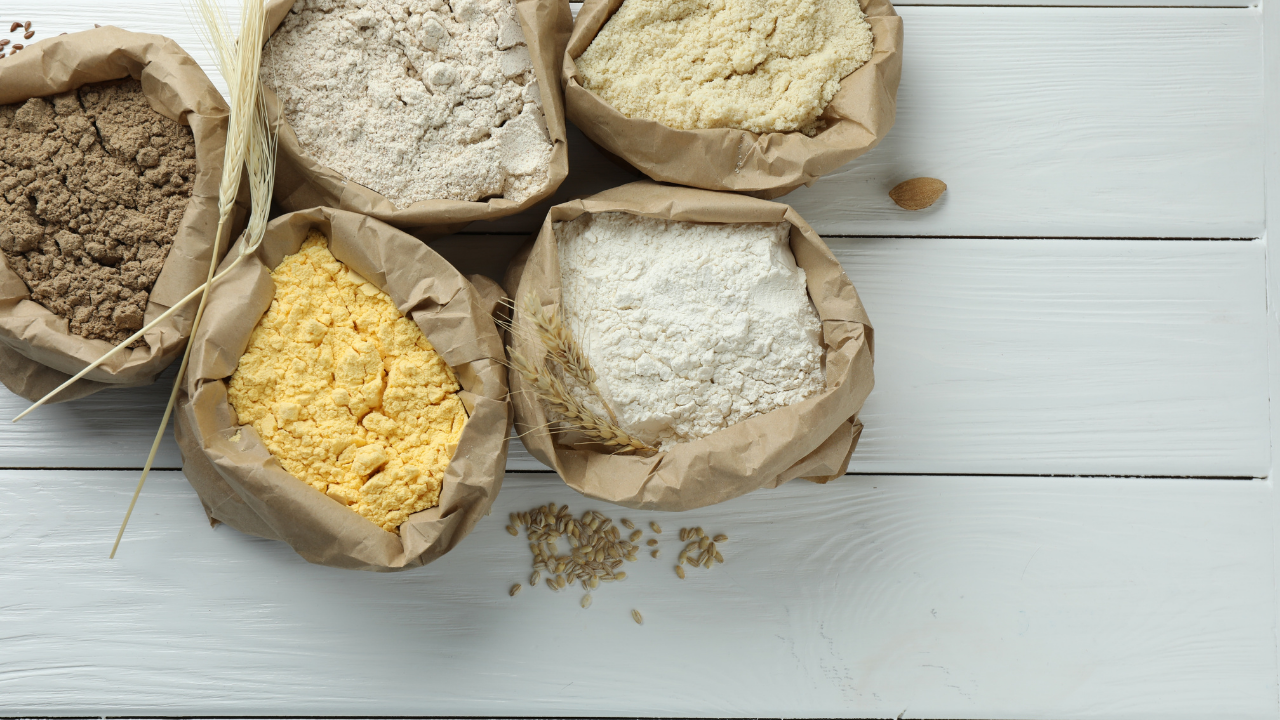
Products made with white flour, including bakery goods and pastries, behave similarly to sugar in the body. They can contribute to insulin spikes and liver fat accumulation. Substituting with whole grain alternatives, such as whole wheat bread or multigrain pastries, supports stable blood sugar and liver health while still allowing for enjoyable meals.
9. Processed foods
© Pexels / Towfiqu barbhuiya
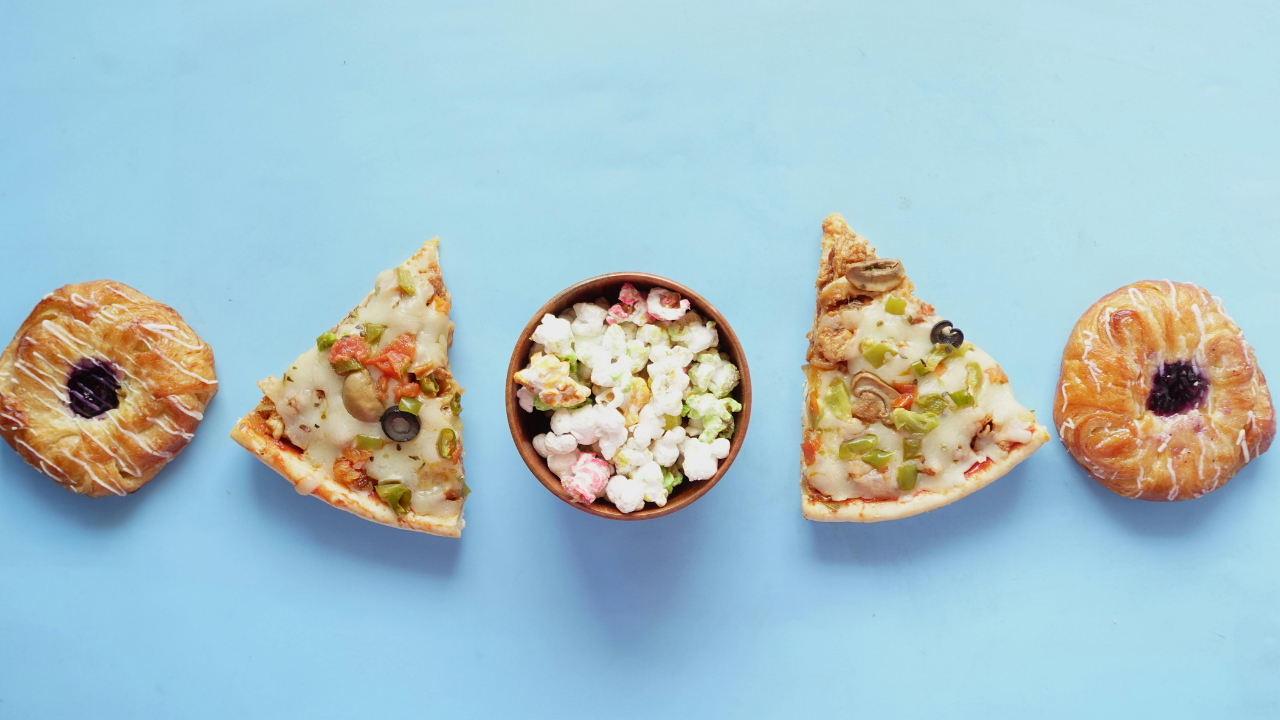
Packaged snacks, instant noodles, frozen meals, and many canned items often contain unhealthy fats, preservatives, and excess salt. These additives increase the liver’s workload as it metabolizes artificial compounds. Minimizing processed food consumption supports liver function, helps maintain healthy metabolism, and encourages the inclusion of fresh, whole foods.
10. Sugary beverages
© Veectezy / Oleh Bilovus
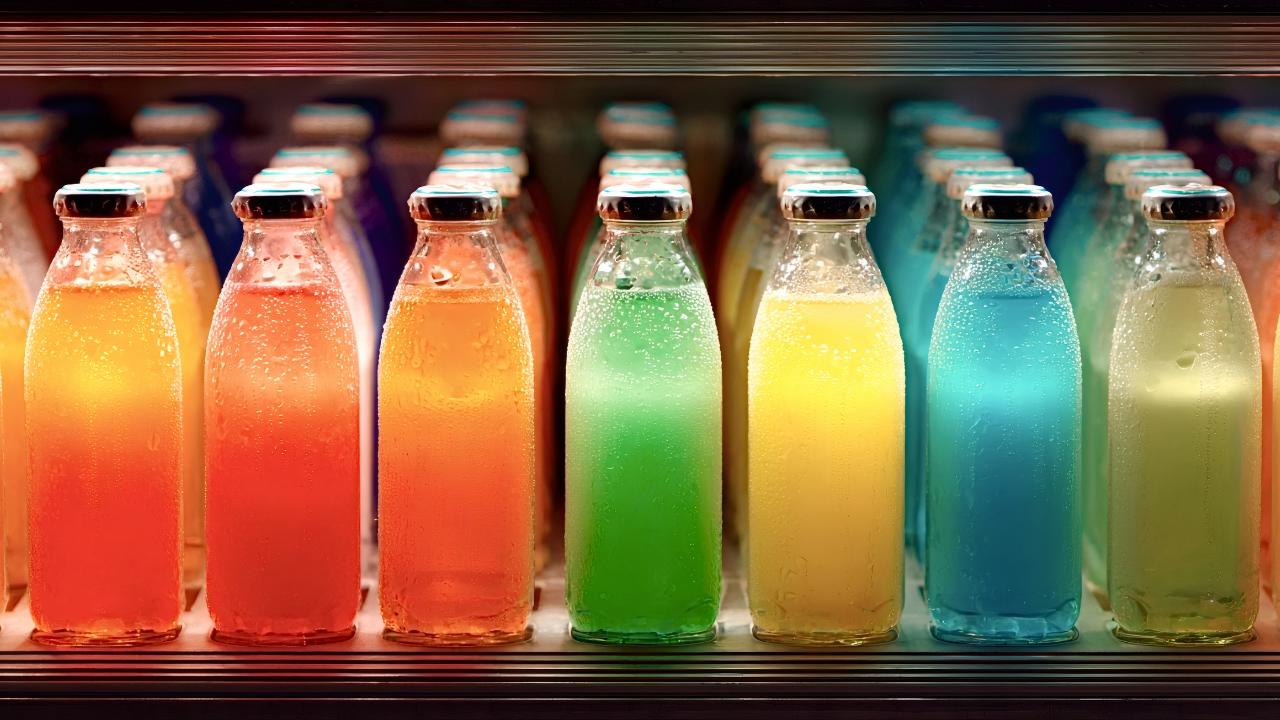
Sodas, sweetened juices, and other drinks high in added sugar deliver concentrated fructose, which the liver metabolizes and stores as fat. Frequent consumption can worsen fat accumulation and impact liver function over time. Choosing water, unsweetened teas, or naturally flavored beverages can reduce sugar intake and support liver health, hydration, and metabolic balance.

Comments (0)
No comments yet. Be the first to share your thoughts!